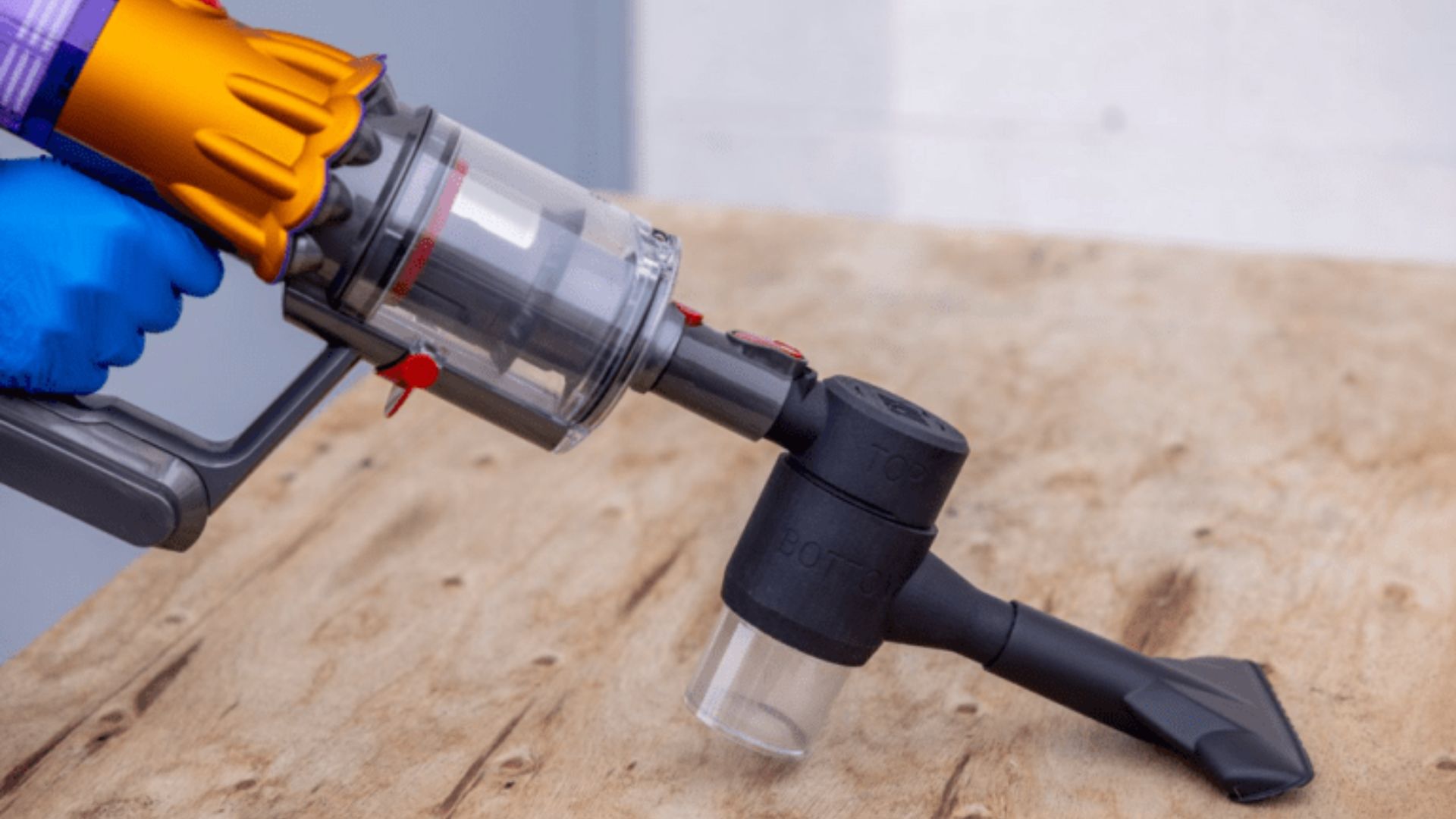
In case of a nuclear attack on the US, nuclear forensics experts will have to investigate the incident and arrive at conclusive proof of where the material originated from. A critical part of the exercise is collecting fallout samples after the detonation, a task that has now been made simpler by researchers at the Idaho National Laboratory (INL) using a small 3D-printed attachment that can work with a regular vacuum cleaner. The forensic analysis of nuclear fallout requires cooperation between a host of US agencies ranging from the Federal Bureau of Investigation (FBI), to the Department of Energy (DOE), the Department of War, among others. Crucial to this effort is the collection of samples from the fallout. Following the intense heat and fire from a a nuclear explosion, debris from the ground is pulled up into the skies, where it melts, cools, and returns to the ground as radioactive glass beads. These vary in size but are typically smaller than 0.04 inches (one millimeter). Nuclear specialists are trained in the collection of these glass beads but usually have only a regular vacuum cleaner, broom, and dustpan at their disposal to aid their work. INL’s 3D-printed attachment makes it easier to sift through the contents of a vacuum cleaner and collect valuable evidence from them. A portable solution In a real-world nuclear emergency, responders and investigators need a portable solution that can be easily deployed. The researchers at INL first thought of designing a special device based on the vacuum cleaner approach but deemed it to be too expensive to deploy. Instead, they decided to make an attachment that could be deployed with any regular vacuum device but capable of separating the glass beads and removing them into a plastic specimen container that could be easily unscrewed and capped. Since the fallout debris is highly radioactive, the researchers ensured that the attachment has a particulate filter that prevents the material from entering the vacuum itself. A one-way valve and cyclonic collection ensure that loss of fine particles is minimal. Is the prototype for nuclear fallout collection ready? The team made their prototypes with an in-house 3D printer way back in 2017. Over the years, they have made multiple improvements to the design, primarily to make it robust enough to be deployed in the field without breaking. Currently, the production of the attachment has been outsourced to a commercial 3D printing company in Idaho that makes durable attachments in a quick and affordable manner. Since 3D printing is quick, the researchers can rapidly iterate the design and identify issues while training with the device. For instance, the device deployment involves personnel working in a high-stress environment with a lot of personal protective equipment (PPE). Assembling the device previously took 15 minutes, but through iterations, the INL team has reduced it to just five minutes. During these trainings, staff at the INL can be seen picking up a tiny bits of rounded black glass from a worktable using a vacuum cleaner with a specialized attachment. In reality, they are preparing for a future that no one wants but is necessary for national security. Recommended ArticlesGet the latest in engineering, tech, space & science - delivered daily to your inbox.Ameya is a science writer based in Hyderabad, India. A Molecular Biologist at heart, he traded the micropipette to write about science during the pandemic and does not want to go back. He likes to write about genetics, microbes, technology, and public policy.
Atomic detonation: US’ nuclear fallout response to include a vacuum cleaner attachment
Full Article
Original Source
Read the full article at Interestingengineering →KhanList aggregates and links to publicly available news content. We do not host full articles from third-party sources. Always verify important information with original sources.