
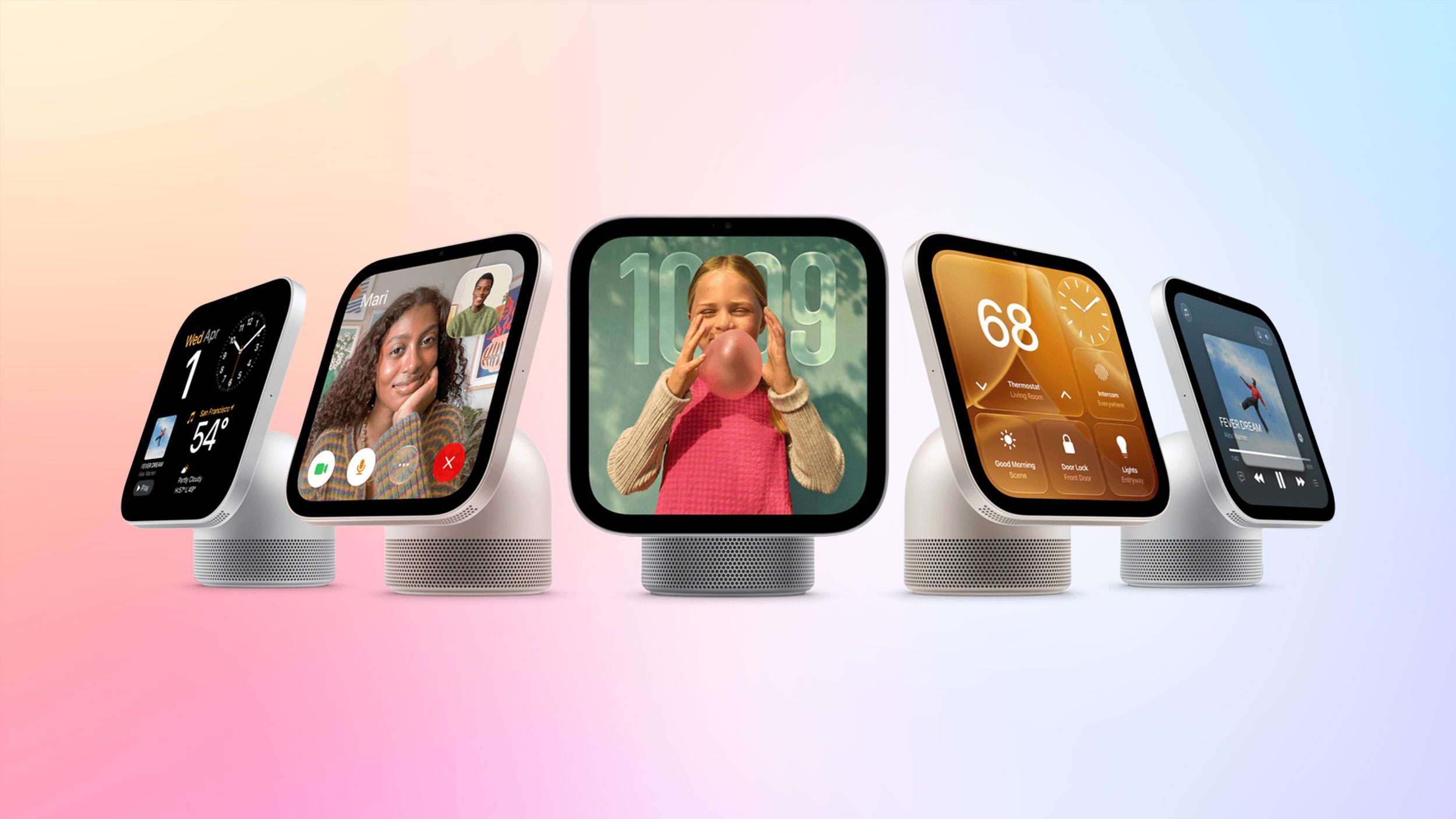
Apple today shared an in-depth look at how it's using Secure Exclaves to protect camera and microphone data on the HomeView, iPhone 18 Pro, and other products. Apple describes Secure Exclaves as compartmentalized runtimes that process camera and microphone data while isolated from the rest of the operating system. Data processed in Secure Exclaves is not available to the rest of the OS, apps, or Apple, but processing can take advantage of the full application processor. Secure Exclaves power sensitive features involving video and audio feeds: HomeView - The HomeView uses facial and voice recognition to identify up to six people in a home. The exclave also protects the LED camera indicator on the device. Siri Recap and Live Rewind - Record ambient sound for conversation recaps or to caption the last 15 seconds of someone speaking. iPhone 18 Pro/iPhone Duo - Protects the iPhone 18 Pro, Pro Max, and Duo on-screen camera and microphone indicators. Also works with "Hey Siri" to protect voice data. MacBook Neo - Protects the MacBook Neo camera indicator. Apple uses the HomeView as an example of how Secure Exclaves work. The device performs passive minimal visual processing continually to detect whether a person is in its field of view. The HomeView sends a continuous stream of camera frames to a camera exclave, which works alongside a person recognition exclave with face and voice recognition models and an identity database. When a person comes into view, the camera exclave detects the person and lets the main OS know that a person may be present, but no image data leaves the Secure Exclave. An audio exclave does the same thing with audio. The person recognition exclave matches face and voice prints against the identity database of enrolled users, giving a confidence score. The OS gets the person identifier, position, and confidence level, but not any of the actual audio or video. These simple signals are used to activate personal features like Calendar and Messages that depend on identity, with raw sensor data discarded. Secure Exclaves came about because Apple needed a secure option for ambient video and microphone monitoring, with the groundwork laid starting in iOS 18. Apple devices use indicators for situations where the camera and microphone are actively engaged, but Apple says they weren't ideal for ambient sensing because they would be on all the time. Always-on lights wouldn't give users a way to distinguish between background sensing and active audio and video recording. There are two modes for a Secure Exclave: ambient mode and active mode. In ambient mode with no indicator, a sensor can respond to triggers, but it only shares small amounts of metadata with the rest of the system. In active mode, full sensor data is given to the operating system, and an indicator informs the user that the system has audio and video access. Apple has long used indicators, but they are now backed by Secure Exclaves. Secure Exclaves make sure an indicator is active before data is allowed to be transferred from the exclave to the rest of the OS. Apple built an isolated computing environment that could handle ambient sensing, and the company says isolating memory for Secure Exclaves was a "serious engineering challenge." Full technical details on the process can be found on Apple's security website. Popular StoriesApple Expected to Release New Products on Next Four FridaysSunday October 18, 2026 11:01 am PDT by Joe RossignolApple likely plans to release MacBook Pro models with OLED displays, 14-inch MacBook Pro and iMac models with M6 chips, and/or an iPad mini 8 with an OLED display on Friday, November 6, according to Bloomberg's Mark Gurman. The devices are expected to be announced on Tuesday, October 27 or Wednesday, October 28. If this timeframe proves to be accurate, then Apple will be releasing new...Apple Releasing Yet Another Two New Products Next WeekApple's massive wave of product launches will finally end next week, with its all-new HomeView smart home hub and the fourth-generation Apple TV 4K set to be released on Friday, November 13 and no other major hardware releases expected for the remainder of the year. Since late August, Apple has announced more than 25 new devices and accessories in one of its busiest stretches...Here's a New Tour of Apple's HomeView SoftwareSaturday October 31, 2026 8:47 am PDT by Joe RossignolBroadcasts app developer Steve Troughton-Smith has shared a Halloween treat for us today: a tour of the software on Apple's upcoming HomeView smart home hub. Apple has already demoed the HomeView to selected tech reporters and content creators, but Troughton-Smith offers a closer look at several features, interfaces, and apps. Using a virtualized HomeView created by Guilherme Rambo,...
Apple Explains How HomeView Keeps Camera Data Private
Full Article
Original Source
Read the full article at Macrumors →KhanList aggregates and links to publicly available news content. We do not host full articles from third-party sources. Always verify important information with original sources.