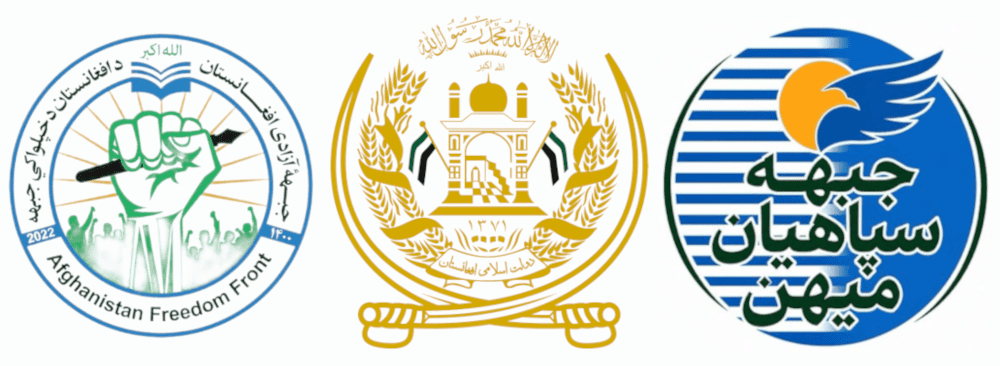
Over the last two weeks of July, anti-Taliban resistance groups conducted sustained operations in the northeastern province of Badakhshan, resulting in the Taliban losing control of its first district center since it regained power nationwide in August 2021. On July 17, Sepahiyan-e Mihan (Homeland Soldiers Front), a newly formed anti-Taliban resistance group, attacked the Yaftali Sufla district center with approximately 25 fighters and held the district center for several hours before withdrawing. The Taliban confirmed the temporary loss of the district center, claiming that district officials were on leave when the attack occurred. Taliban officials also said that several people had been arrested in connection with the attack. Following the raid, Taliban Chief of Army Staff Fasihuddin Fitrat traveled to Yaftali Sufla district and told reporters that most of those involved in the attack had been arrested, a claim the Homeland Soldiers Front later denied on its Facebook page. Little is known about the Homeland Soldiers Front, which had no public social media presence until the day of the attack. Qayum Malang, who reportedly served as an Afghan commando under the previous government before joining Ahmad Massoud’s National Resistance Front (NRF) after the collapse of the republic in 2021, leads the group. On 22 July, Malang released an audio message rejecting the Taliban’s claim that several of his fighters had been detained and urging supporters not to believe propaganda. Six days after the temporary fall of the Yaftali Sufla district center, on July 23, former Afghan Armed Forces Chief of General Staff Yasin Zia’s Afghan Freedom Front (AFF) claimed to have launched multiple targeted operations against Taliban units in the Zebak district of Badakhshan. “Afghan Freedom Front forces captured several Taliban outposts, which remain under our control,” Dawood Naji, head of the AFF’s Political Committee, told FDD’s Long War Journal. “Despite the Taliban’s efforts, they failed to force our fighters to withdraw from the positions they had captured.” Afghan media reported that the Taliban acknowledged the attacks, claiming that five anti-Taliban resistance fighters were killed and several others wounded. The AFF, however, said that it repelled Taliban counterattacks and shot down two enemy drones over Zebak. “The AFF has transitioned from the stage of guerrilla warfare to front-line warfare and direct offensive operations against the Taliban,” Naji told Long War Journal. Also on July 23, Ahmad Massoud’s National Resistance Front (NRF) claimed responsibility for an attack on a Taliban outpost in Kuran wa Munjan district, Badakhshan, killing one Taliban fighter and wounding two others. While there is no evidence that the three resistance groups coordinated operations, there are signs that cooperation may be increasing. The National Mobilization Front, a smaller anti-Taliban resistance group that began operations in October 2023, recently called on its fighters to work closely with the AFF. “We maintain meaningful contacts with all forces opposed to the Taliban because we are fighting for the same objective,” Naji told LWJ. Whether these operations represent isolated successes or the beginning of greater cooperation among Afghanistan’s fragmented resistance groups remains unclear. However, the Taliban is facing a higher operational tempo in Badakhshan than at any point since returning to power. The temporary seizure of a district center, followed days later by sustained AFF operations and an NRF attack elsewhere in the province, underscores Badakhshan’s growing importance as a battleground between the Taliban and the armed resistance. Will Selber is a retired US CENTCOM foreign area officer with over 4 years in Iraq and Afghanistan. He is the owner of Grumpy Combat Veteran on Substack.
Anti-Taliban resistance groups increase attacks in northeast Afghanistan, district center briefly falls
Full Article
Original Source
Read the full article at Fdd →KhanList aggregates and links to publicly available news content. We do not host full articles from third-party sources. Always verify important information with original sources.