
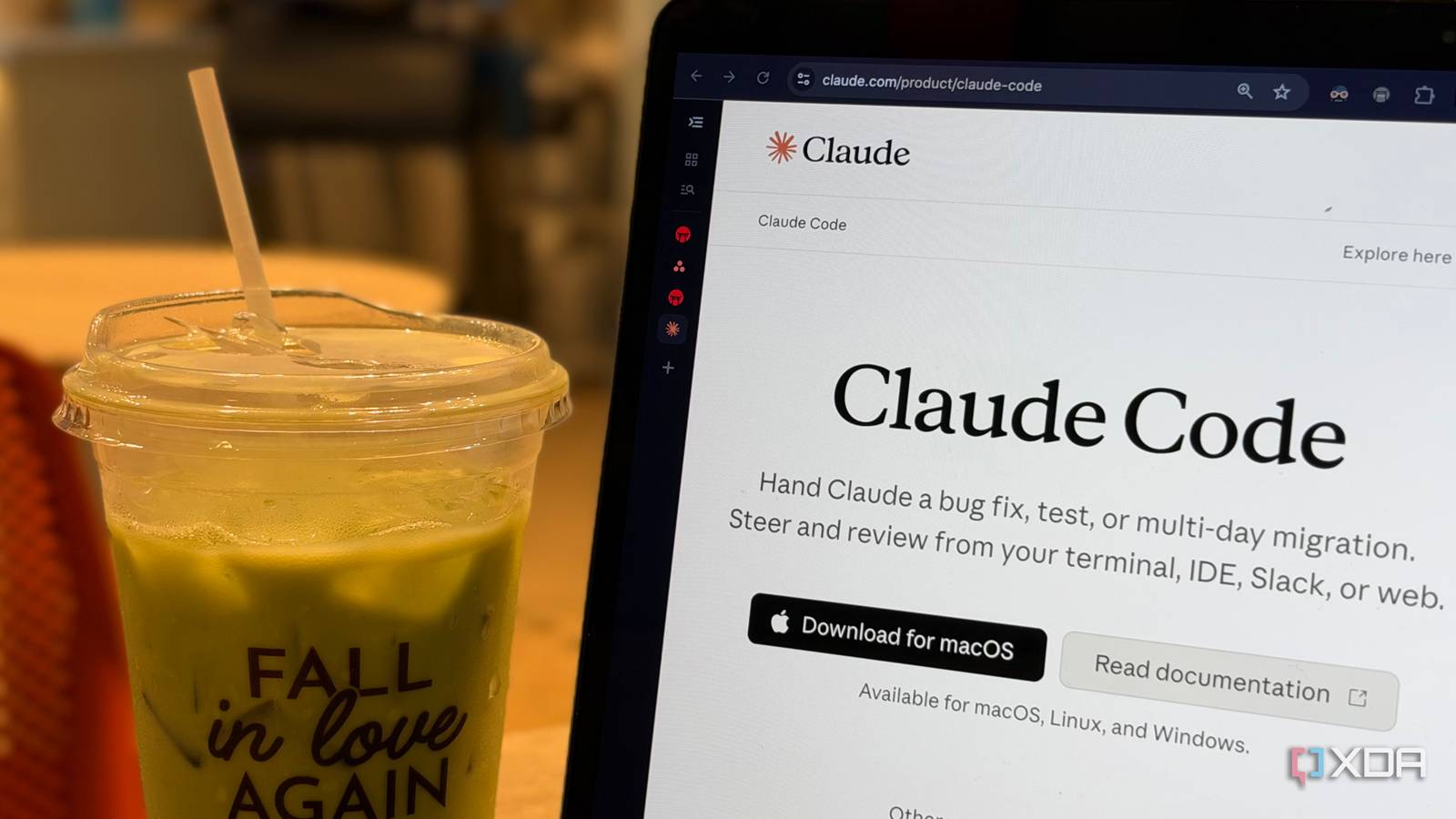
Published Nov 12, 2026, 10:30 AM EST Simon is a Computer Science BSc graduate who has been writing about technology since 2014, and using Windows machines since 3.1. After working for an indie game studio and acting as the family's go-to technician for all computer issues, he found his passion for writing and decided to use his skill set to write about all things tech. Since beginning his writing career, he has written for many different publications such as WorldStart, Listverse, and MakeTechEasier. However, after finding his home at MakeUseOf in February 2019, he would eventually move on to its sister site, XDA, to bring the latest and greatest in Windows, Linux, and DIY electronics. We're getting into a really weird era of the LLM race where the AI models are getting pretty scary good. Gone are the days when AI companies cut the red tape, revealed their newest AI, and sent it to everyone to play with. Now, every frontier AI needs thorough testing before regular users can even consider using it. As such, we're now getting to a point where people are finding ways to use AI to break into products. My favorite example is when someone managed to get into Samsung's Tizen OS by pointing a webcam at the screen and letting Claude see what it's doing. However, this has seemingly caused issues with the AI companies, who have reportedly clamped down on this kind of behavior. The beginning seemed like a revolution for AI usage It was pretty much a Wild West for getting into devices Credit: vkorost I'm not 100% sure when this trend began, but I want to say it was around the time people began using Claude to decompile games. We saw a sudden gold rush of people grabbing their games, squashing them through Claude, then shipping the result out as native ports. Sometimes, people got confused as to what the words 'decomp' and 'native port' meant, but the spirit was there, even if it did kill a decompilation website in the process. Once people began reverse-engineering games, it began spreading to other things, too. For instance, what if you decompiled your smart TV's software, then sicced Claude on it to remove bloat and add new features? Well, that's exactly what people started doing. And for a while, it felt like the power of AI tools had landed firmly in the hands of the consumer, who could use Claude to tweak their products in ways previously near-impossible. Anthropic doesn't seem to be pleased with it, though It hasn't announced anything on the topic, but the safeguards are seemingly there Then, something happened. People, inspired by the tidal wave of decomps, grabbed their devices, plugged them into Claude, and asked it to do its magic. It started its progress toward jailbreaking the device...then stopped. The safeguards had kicked in, and it had detected a cyber threat. People now had to work around these safeguards to achieve the same goal. Then, more reports came in that Anthropic had added vibe-coded versions of existing games to the safeguard. As you might imagine, people were pretty mad about it; some potential projects had been shut down because Anthropic flipped a switch on the safeguard. One of the more common criticisms I saw on social media was that Anthropic was being hypocritical. It's no secret that AI companies fed their models tons of copyrighted content to give them something to train on, and now Anthropic was seemingly telling Claude users that they couldn't use the AI to copy other games. Very much a "rules for thee, not for me" situation. But it was also a pretty sharp wake-up call. If Anthropic really did deliberately add decompilation and vibe-coded game projects to the safeguards, it meant that the company was telling its users what it could and couldn't do with its AI, even if the activity is legal and doesn't cause harm. Open-source AIs are potentially the only way to reclaim that power They'll take a while to grow, though So, where do people go from here? Well, there is a bustling open-source AI scene. It's not nearly as powerful as the premium models like Claude, OpenAI, and Gemini, but it is there, and people are using them to do cool things. Hopefully, getting open-source models to the same power level as, say, Claude Opus 5.5 is a matter of when, not if. When that happens, people can then reclaim the ability to tweak and decompile older products. I say "older products" because by the time open-source LLMs catch up, I'm pretty certain tech companies will have used the flagship premium models to harden their products against AI tinkering. But anything released around or before 2026 will likely be fair game, and we may see an uptick in people repurposing old tech to do new things (like what people are already doing with Kindles). Open-source may be the only way to regain control of our AI At the end of the day, business-made AI models are created with the business in mind. As LLMs get more and more powerful, we may see these companies begin restricting our usage to appease the higher-ups. And that's something only an open-source scene can fix.
Anthropic may block Claude from decompiling your devices, and open-source AI may be the only way around it
Full Article
Original Source
Read the full article at Xda-developers →KhanList aggregates and links to publicly available news content. We do not host full articles from third-party sources. Always verify important information with original sources.