
Published Nov 28, 2026, 3:01 PM EST An aviation writer, pilot, and flight operations professional who sees aviation from both sides of the cockpit door. With a background in aeronautics, safety, and human factors, she brings curiosity, firsthand experience, and a love of the details that turn aircraft and airports into stories worth telling. American Airlines is preparing to reverse one of its most visible cabin decisions. After years of moving away from seatback entertainment in favor of passengers’ personal devices, the airline plans to restore screens at every seat across its narrowbody fleet. The change comes as 32 legacy Airbus A319s undergo refurbishments that remove their existing displays, raising questions about how much of that work could need to be revisited. The airline announced its new entertainment plans on August 18, with screens scheduled for new narrowbody deliveries from 2028 and retrofits planned for aircraft already in service. By June, 23 of the 32 legacy A319s had reportedly completed the screen-removal process. American has not confirmed when those aircraft will receive the new displays, leaving an important gap between its current refurbishment program and its future cabin plans. The scale of the wider rollout, combined with a separate satellite internet installation program, makes the timing of the A319s’ next upgrade particularly important. A Screen Strategy In Mid-Reversal Credit: Khairil Azhar Junos | Shutterstock American’s decision to restore seatback entertainment creates an unusual overlap between two cabin strategies. The airline spent years moving toward a bring-your-own-device model, encouraging passengers to use their own phones, tablets, and laptops for entertainment. Its August announcement outlined a different direction, committing the carrier to installing seatback displays at every seat across its narrowbody fleet. The reversal is especially notable for aircraft that have already been refurbished around the earlier approach. The 32 legacy A319s illustrate the timing problem. Reporting published in June indicated that 23 aircraft had completed the screen-removal process, with the remaining nine expected to finish by the end of the summer. These aircraft were undergoing cabin updates rather than being withdrawn from service. The refurbishment program includes adding another row of First Class seating and updating the narrowbody cabin. American’s subsequent announcement confirmed that existing aircraft would also receive the new entertainment system, but it did not identify when the legacy A319s would be included or whether their installations would coincide with other cabin work. That distinction matters because a fleetwide commitment does not automatically establish the schedule for every aircraft type or cabin configuration. The new screens are planned for incoming narrowbodies from 2028, while retrofits are expected to extend across the existing fleet into the early 2030s. American has not confirmed that the 32 A319s will receive screens as soon as the retrofit program begins, nor has it announced that they will be excluded. Understanding why the airline abandoned seatback entertainment in the first place helps explain why its latest decision represents more than a straightforward equipment replacement. The Shift Toward Personal Devices Credit: Wasana Kunpol|Shutterstock American’s earlier strategy reflected a simple observation about passenger behavior: most travelers already carried a screen of their own. In 2017, the airline said more than 90% of its passengers brought a device or screen when flying. Rather than continue investing in displays at every seat, American increasingly emphasized personal-device entertainment and onboard connectivity. Passengers could use familiar interfaces and choose their own content, while the airline could avoid maintaining the same type of built-in entertainment hardware across its narrowbody cabins. The approach influenced cabin changes on aircraft including Boeing 737-800 and A321. Under its Project Oasis modifications, American removed seatback displays from some aircraft and installed device holders in their place. This made personal devices central to the entertainment experience, but it also meant passengers depended more heavily on their own equipment. Travelers without a suitable device, those with limited battery power, or those who preferred not to use a phone or tablet for a long flight had fewer built-in alternatives. Connectivity and charging consequently became important parts of the passenger experience, even as the airline moved away from dedicated displays. American’s latest plan does not mean personal devices will become obsolete onboard. Instead, the airline intends to provide passengers with both a built-in entertainment option and the ability to use their own equipment. The next difference will be the capabilities of the new displays, which are designed to offer more than the systems removed from earlier cabin configurations. A More Capable Entertainment System Credit: RozenskiP|Shutterstock American’s planned entertainment system represents an upgrade in display technology and onboard functionality. The airline has confirmed 4K screens, Bluetooth audio connectivity, USB-C fast charging, expanded content options, personalized movie and television recommendations, and enhanced flight maps with destination information and real-time flight insights. These features are intended to make the seatback display more than a place to watch a movie, combining entertainment, device connectivity, and useful information throughout the flight. Bluetooth connectivity will allow passengers to pair compatible wireless headphones and earbuds with the system, while USB-C charging will help keep personal devices powered during the journey. Expanded entertainment options and personalized recommendations are also intended to make it easier for passengers to discover content through the airline’s onboard system, whether they choose to watch on the seatback screen or use their own devices. American has described the planned displays as among the largest offered on narrowbody aircraft in North America, although it has not published exact screen dimensions or identified the hardware supplier in its public announcement. Entertainment Feature Confirmed Capability Passenger Benefit 4K Displays 4K seatback screens Higher-resolution onboard viewing Bluetooth Audio Bluetooth connectivity Pair compatible wireless headphones or earbuds USB-C Charging USB-C fast charging Charge compatible personal devices during the flight Expanded Content A broader selection of entertainment More movies and television options to choose from Personalized Recommendations Movie and television recommendations Discover content suited to individual preferences Enhanced Flight Maps Destination information and real-time flight insights Follow flight progress and explore information about the destination American has not disclosed the program’s total cost or the final hardware configuration for every aircraft. Those details should not be inferred from the promised resolution or the airline’s description of the displays. The confirmed features outline the intended passenger experience, but the precise installation specifications remain undisclosed. The screens are also only one component of American’s wider cabin investment, which includes a push to increase premium seating across its narrowbody fleet. Cabin Refurbishments Add Another Layer Credit: baileyc1|Shutterstock American’s screen strategy is unfolding alongside a separate program to refresh its A319 and A320 cabins. The airline has confirmed that its refurbishment work includes adding an additional row of First Class seats to these aircraft. Its wider narrowbody cabin plans also include more Main Cabin Extra seating and updates to the onboard interior. These changes show the entertainment announcement is part of a broader effort to reshape the passenger experience, not an isolated decision about displays. The premium-seat target illustrates the scale of that effort. American says premium seating accounts for approximately 25% of seats on narrowbody departures today, a share it expects to increase to approximately 40% in the coming years. The airline is pursuing that shift through cabin retrofits and new aircraft deliveries, and retrofits including additional First Class seats on the A319 and A320 fleets. However, the premium-seat target does not establish how the entertainment system will be installed on each aircraft, or whether every A319 undergoing refurbishment will receive a screen retrofit at the same time as its other cabin modifications. Program Announced Direction What Remains Unconfirmed Premium seating Increase premium seating from approximately 25% to approximately 40% of seats on narrowbody aircraft. The exact timeline and final configuration for each aircraft. A319 and A320 refurbishment Refresh cabin interiors and add another row of First Class seating. The refurbished A319s will have 12 First Class seats, while the A320s will have 16. Whether all aircraft will receive modifications on the same schedule. Seatback entertainment Install seatback screens on new narrowbody deliveries beginning in 2028 and retrofit existing aircraft, with fleetwide installation expected by the early 2030s. The installation sequence and timing for individual aircraft, including the 32 legacy A319s. Starlink connectivity Begin installations in early 2027, with the goal of equipping American Airlines’ entire mainline fleet of more than 1,000 aircraft. The installation date for each individual aircraft. Coordinating these programs could prove complicated because cabin refurbishment, entertainment installation, and connectivity upgrades are distinct workstreams. American has not published a subfleet-specific schedule showing how they will intersect on the legacy A319s. That uncertainty grows as the airline prepares to introduce Starlink across its mainline fleet, creating another major technology rollout with its own timeline. Starlink Adds A Separate Timeline Credit: miss.cabul|Shutterstock American’s expanded Starlink plan adds another major technology program to the transition. In May, the airline announced plans to install the satellite internet service on more than 500 Airbus aircraft. On October 8, it expanded that commitment to its entire mainline fleet, covering more than 1,000 aircraft. Installations are scheduled to begin in early 2027, although the airline has not published a detailed schedule for individual aircraft. The two upgrades serve different purposes. Starlink provides an internet connection, allowing passengers to browse, stream, work, and communicate on personal devices. Seatback screens provide a built-in display and entertainment interface that passengers can use without relying solely on a personal screen. American’s strategy now includes both systems, but it has not released an aircraft-by-aircraft schedule showing when individual A319s will receive Starlink or the new entertainment system. The early 2027 connectivity start date should therefore not be treated as a confirmed installation date for any specific legacy A319. For the 32 aircraft, the sequence remains unresolved. Their current refurbishment removes the original seatback screens, Starlink installations are scheduled to begin in early 2027, and new narrowbody deliveries with the next generation of displays are planned from 2028. American has committed to retrofitting existing aircraft with the new screens, but it has not confirmed when these A319s will enter that program. Some recently refurbished aircraft could receive another cabin upgrade before retirement, but the published plan does not establish that all 32 will have screens removed in 2026 and reinstalled in 2028. The group's future will depend in part on how long American expects to keep the aircraft in service. The Legacy A319s Face An Unclear Upgrade Path Credit: Wenjie Zheng|Shutterstock The next stage of American’s plan will depend on how the airline sequences cabin work across a fleet with different aircraft types, interior configurations, and refurbishment stages. The screen announcement establishes the direction: new Airbus and Boeing narrowbody deliveries are scheduled to receive displays from 2028, while retrofits are expected to extend across the existing fleet. American expects the broader installation program to be completed by the early 2030s. That is a fleetwide target, not a promise that every aircraft will be modified in the same year or in the same order. The 32 legacy A319s make that distinction especially important. Reporting in August 2026 said American had moved the planned retirement of these aircraft from 2026 to at least 2030, giving them a longer expected service period than previously anticipated. That reported extension makes a future screen retrofit plausible, but it does not prove that American will install the new system on every aircraft in the group. The airline has not published a confirmed list of which A319s will receive the displays, whether installation will coincide with other cabin work, or when those modifications will take place. American’s next concrete milestones are the start of Starlink installations in early 2027 and new narrowbody deliveries with seatback screens from 2028. Those dates will mark visible steps toward the revised onboard experience, but the legacy A319s remain a specific unresolved part of the transition. The determining factor will be American’s eventual retrofit schedule, which will reveal whether the aircraft that recently lost their screens are among the first narrowbodies to get them back or remain in their current configuration longer.
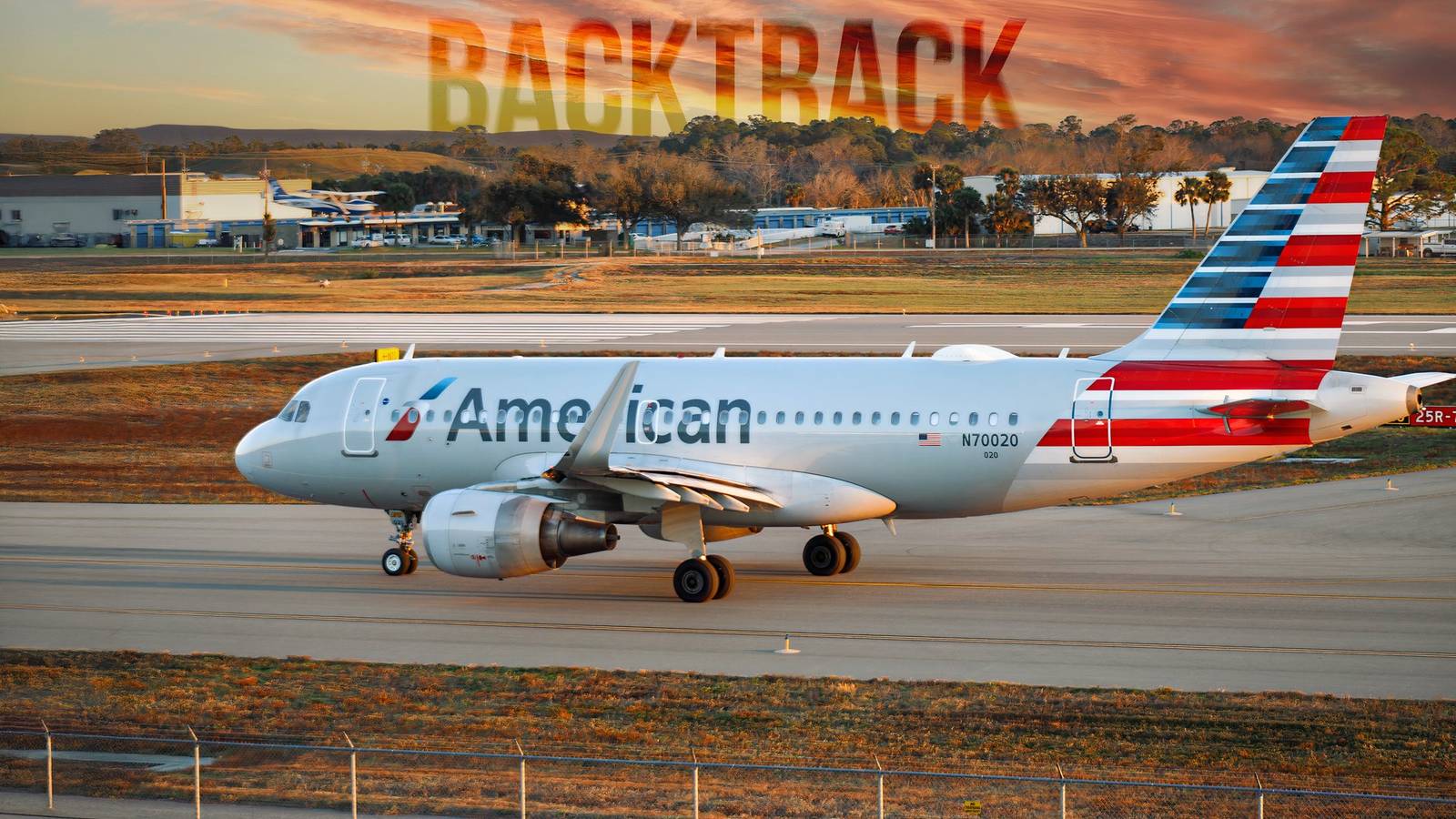
American Airlines Is Backtracking On 32 Airbus A319s It Just Stripped Seatback Screens From
Full Article
Original Source
Read the full article at Simpleflying →KhanList aggregates and links to publicly available news content. We do not host full articles from third-party sources. Always verify important information with original sources.