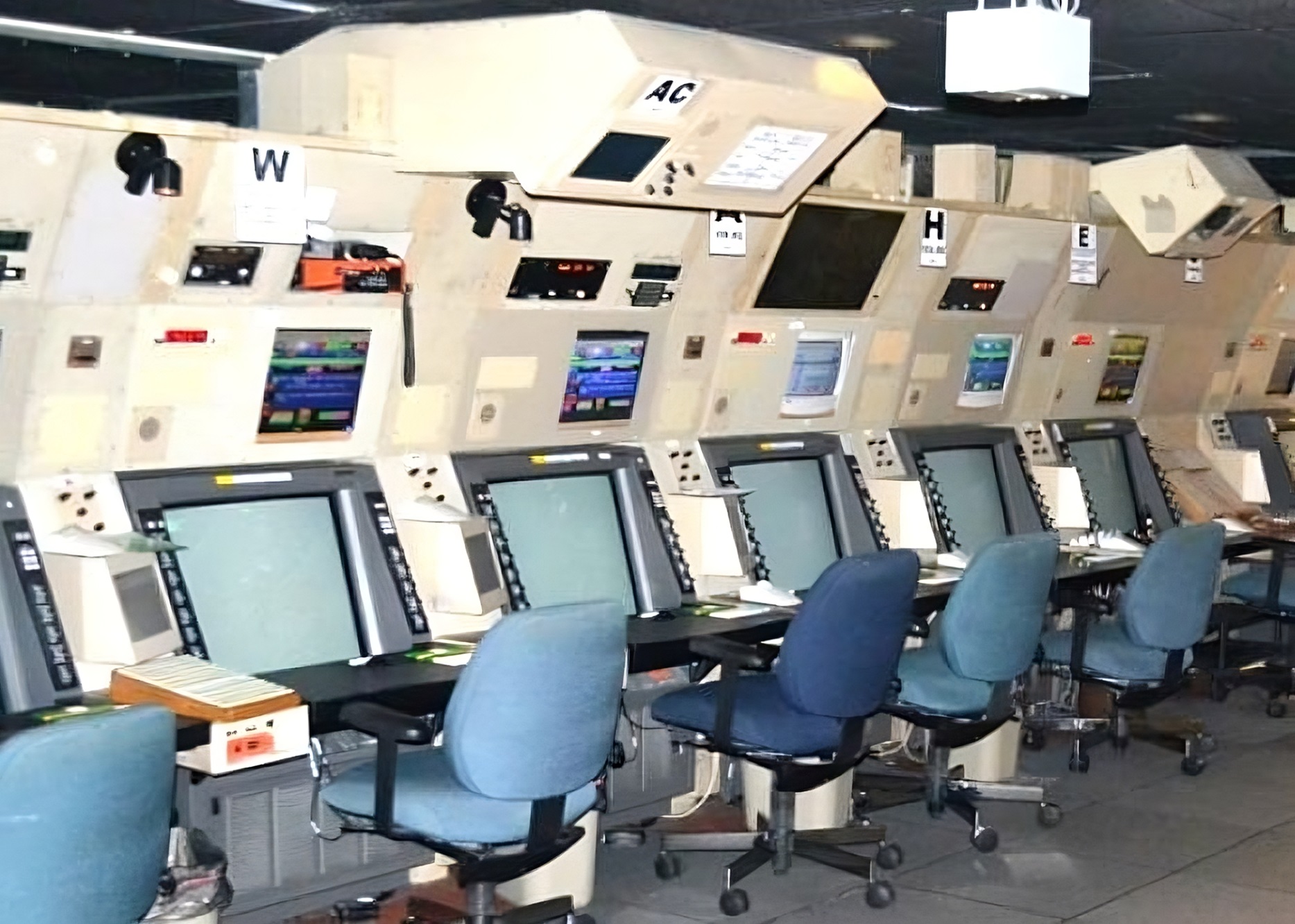
The biggest threat to aviation safety in the U.S. is air traffic control. They’re short-staffed, overworked, and working with outdated technology and bad culture has developed. We’re throwing money at the problem, despite spending billions of dollars over decades and failing to successfully upgrade technology. There’s not much indication that underlying problems at the FAA are being addressed. So it’s an open question at best what improvements we’ll get for the money. The One Big Beautiful Bill Act added $12.5 billion in taxpayer money to air traffic control. The Trump administration wants another $20 billion in taxpayer money. The FAA Air Navigation Service Provider (air traffic control) spends about $14 billion a year which is less than passenger aviation excise taxes raise. Instead of pouring an additional $32 billion in subsidies at the system, there are better models. One of those is how Canada does air traffic control. In a new paper by a former air traffic controller and manager makes the case for restructuring the system along these lines. The Reason Foundation paper argues that the United States should move air traffic control from the FAA and transfer them to a self-financing nonprofit corporation modeled on NAV CANADA. The FAA would remain the safety regulator, while the new air navigation service provider would charge user fees, borrow against future revenue to fund technology, and make investments without relying on the vagaries of annual congressional appropriations. Unquestionably Canadian air traffic control is done at lower cost, modernizes faster, and has at least as strong a safety record (probably better). NAV CANADA is a private nonprofit that doesn’t receiving regular government funding. It finances operations through aviation user fees. It’s governed by a 15-member board comprised of representatives from airlines, government, general and business aviation, labor, independent directors and the CEO. I’d prefer a smaller board. Regulator and operator are separated. Currently there’s little accountability for failure because the FAA regulates itself. Arms-length structures are a better safety practice. Funding comes from users of the system, not general taxpayers which also fosters greater accountability. Long-term borrowing for technology replaces piecemeal investment because the independent nonprofit can issue bonds rather than wait for chunks of funding from Congress. NAV CANADA currently has an AA credit rating. This isn’t ‘privatization’. There are no shareholders, dividends or equity owners. It’s a system that’s been in place up North for 30 years. Up until 1996, air traffic control in Canada was similar to the U.S. – operated by Transport Canada, funded substantially through a passenger ticket tax and struggling with outdated infrastructure, staffing and budget constraints. NAV CANADA purchased the system from the government for C$1.5 billion and shifted to user charges after a two-year transition period, taking over about 6,400 government employees. Productivity gains instead allowed traffic to grow without proportional controller growth. System costs have been 8$ – 34% higher for the FAA than for NAV CANADA between 2009 – 2023, averaging 25% higher. In 2023, FAA costs were 32% higher despite the FAA’s badly depreciated facilities and deferred modernization. The U.S. spends more and gets less. Technology has progressed much faster under NAV CANADA. Electronic flight strips were deployed across all 42 Canadian towers by 2009, while FAA completed only its 17th tower installation in April 2026. Canada introduced space-based ADS-B over the North Atlantic in 2019. (NAV CANADA handles all traffic over the North Atlantic. It’s not just domestic Canada.) NAV CANADA has deployed an AI-assisted “Digital Twin” traffic-flow optimizer across all seven area control centers. It is beginning a nationwide deployment of newer controller automation, while core FAA platforms remain based on technology developed in the 1990s and early 2000s. This spinoff also strengthened NAV CANADA’s safety culture and reporting. NAV CANADA’s five-year average rate of physical losses of separation declined by 50%. Like the U.S., they have controller staffing challenges, but they have greater flexibility in addressing those. While there are concerns that a stakeholder board would give airlines too much control, the 2017 proposal would have given airlines just four of 13 seats, and legal fiduciary duty would stand against this as well. Members of Congress with towers in their district worry about those jobs, as a result of tower consolidation (which would be better for both staffing and safety) but it’s worth noting that Canadian rural service improved because of technology – satellite approaches, expanded radar and ADS-B coverage. That’s good for those communities. (The 2017 U.S. legislation tried to buy off these objections by protecting towers, rural airports, and exempting general aviation from user fees.) In truth, general aviation does get a good deal and something of a free ride under the current system, though. I would love for someone to try to defend the FAA simultaneously regulating and operating the air traffic control system and using annual appropriations to managing a capital intensive, technology-dependent service. That would be a real challenge. Several countries have publicly-owned corporations running air traffic control, which are separate legal entities where the regulator isn’t the service provider. That includes Germany, Australia, New Zealand, Spain, Ireland, Finland, Sweden, Portugal, Saudi Arabia and numerous others. The UK and Italy have partial private ownership. The closest analogs to the U.S. model are China, France and Japan, although even France and Japan directly charge airlines for services. That leaves the U.S. socialist model much closer to China than anything in Europe. A decade ago, Congress seriously considered reforming air traffic control but the idea was killed by the private pilot lobby who worried that it would cost its members more, even though the bill was structured not to in order to buy off their opposition. Today, the head of the FAA rewrites history to say that Trump never actually supported the idea in the first place (he did). Topics on this page
America Keeps Throwing Billions At Broken Air Traffic Control — Canada Built A Better System 30 Years Ago
Full Article
Original Source
Read the full article at Viewfromthewing →KhanList aggregates and links to publicly available news content. We do not host full articles from third-party sources. Always verify important information with original sources.