
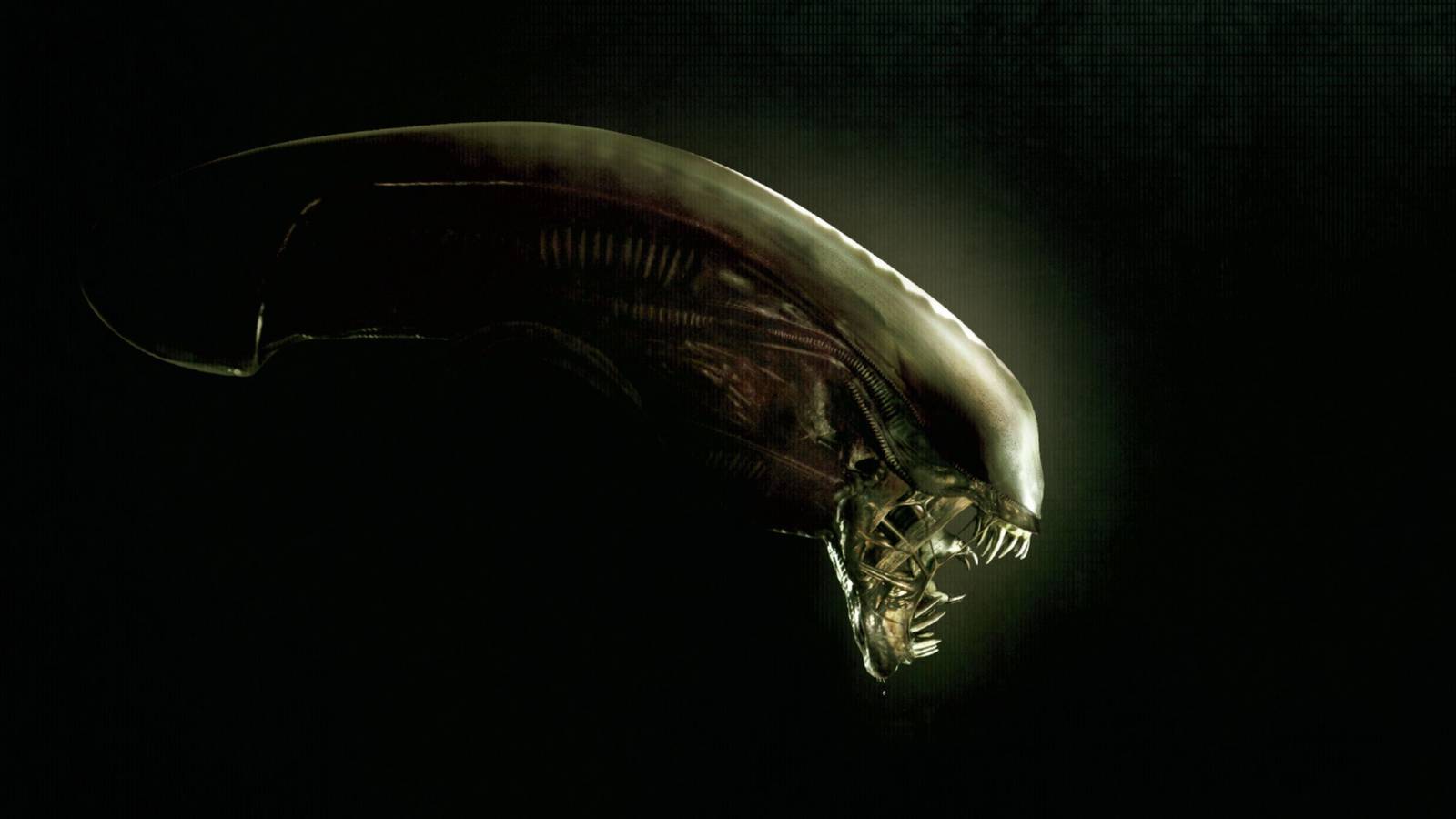
Published Sep 6, 2026, 5:45 PM EDT Faith Roswell is a Senior Writer on Screen Rant's Classic TV team. Since earning her degree in Creative Writing over a decade ago, Faith has written articles on film and TV from a variety of different angles. Faith now combines her knowledge of psychology with her love of monster movies to give more insight into what makes the best ones. You may have read her Screen Rant lists and features covering horror, sci-fi, and fantasy, or read her Amazon Top 10 book, "Movie Monsters of the Deep." Faith has had an extensive career as a writer, appearing on BBC live radio, researching true crime for Rotten Mango podcast, and writing for publications including Mental Floss, Atlas Obscura, and The Daily Jaws before beginning here at Screen Rant. Spawning multiple sequels and making Sigourney Weaver's Ellen Ripley into one of the greatest sci-fi icons of all time, few projects have as great a legacy as the Alien franchise. Even people who have not seen the movies generally recognize the Alien franchise's powerful sci-fi creatures, or at least the infamous "chestburster" sequence in Ridley Scott's 1979 movie that began the iconic saga. It is impossible to forget the first glimpse of H.R. Giger's salivating Xenomorph, but the franchise strayed from its roots by leaving behind the simple horror tone that made the first movie so effective, until now. While the most recent movies in the Alien franchise have either polarized critics and audiences, like Alien: Covenant, or received respectable if not mindblowing ratings, like Alien: Romulus, the first TV show has become the best release in the franchise since James Cameron's Aliens. This is largely due to one major detail: the show has returned the story to its horror roots. Alien: Earth might currently be dividing the fandom, but Rotten Tomatoes critics have been impressed, giving the series a 94% positive rating and praising its worldbuilding and claustrophobia, which might feel familiar to fans of the original movie. Alien: Earth Has A Lot In Common With The 1979 Movie Credit: MovieStillsDB Alien: Earth is by no means a copy of Ridley Scott's original masterpiece. Instead, the series takes many of the beats that made the movie so good and combines them with other genres like cyberpunk, keeping the sense of dread while also allowing the story to move forward rather than simply relying on nostalgia. The initial focus on humanity's pursuit of immortality might at first feel like another overambitious sci-fi series too clever for its own good, but this is, fortunately, not the case. The story follows a prototype hybrid woman named Wendy, created by the mysterious and powerful Prodigy Corporation and comprised of a human consciousness within a synthetic body. When the spaceship carrying Wendy and other prototypes crash lands, it brings them face to face with Alien: Earth's terrifying new species. It is a common trope of the Alien franchise movies that, with few exceptions, characters and viewers should never trust the androids. This detail has Wendy and her fellow prototypes walking the line between protagonist and antihero, as the slow-burn pace grows more disconcerting. The initial horror the Xenomorph inspires cannot be recreated, so Alien: Earth has instead emulated the tone of the 1979 movie by introducing a new creature and an eyeball-related equivalent to the chestbursting scene. New entries in the Alien franchise have often relied on the iconic Xenomorphs to draw in viewers, but this leaves behind the original movie's "nightmare fuel" factor and sense of the unknown. In the smartest move the franchise has made since Aliens, Alien: Earth sets up its central mysteries first, trusting viewers to wait for the horror to land, and it does. Alien: Earth Is The Franchise's Best Since Aliens Alien: Earth now occupies a unique position in the Alien franchise, having the highest Rotten Tomatoes critics' rating of the entire franchise, while audiences have not all been as impressed. That said, much of the criticism from viewers who have not enjoyed the show describes it as "derivative," while critics have largely felt that Alien: Earth's return to its horror roots is not only the right direction for the show, but that it is the best entry in the franchise in 40 years. The Alien franchise movies compared to Alien: Earth Title Year Rotten Tomatoes critics' rating Rotten Tomatoes audience rating Alien 1979 93% 94% Aliens 1986 93% 94% Alien 3 1992 43% 46% Alien: Resurrection 1997 55% 39% Prometheus 2012 73% 68% Alien: Covenant 2017 65% 55% Alien: Romulus 2024 80% 85% Alien: Earth 2025 94% 65% The Alien franchise lost its way after the sequel, with Sigourney Weaver carrying the third and fourth movies. While Prometheus tried to revive the franchise, it suffered from many of the same issues that would affect the later movies, with characters making illogical decisions in a largely predictable storyline. Now, Alien: Earth has rewritten canon to focus on an original storyline that is much less predictable, proving that sometimes the element of surprise can be more important than strict continuity. Now, the second season of Alien: Earth is reportedly "taking things to a whole other level," with Wendy's story taking some new directions and Peter Dinklage joining the main cast. Now that season 1 has brought back the first movie's horror, there have been hints that another major early movie plot point could be addressed, concerning androids and whether or not they are to be trusted. With Alien: Earth forging its own path and attracting prestige actors, the second season might just reunite the fandom at last.
Alien Returns To Its Horror Roots In The Best Release Since James Cameron's Sequel
Full Article
Original Source
Read the full article at Screenrant →KhanList aggregates and links to publicly available news content. We do not host full articles from third-party sources. Always verify important information with original sources.