
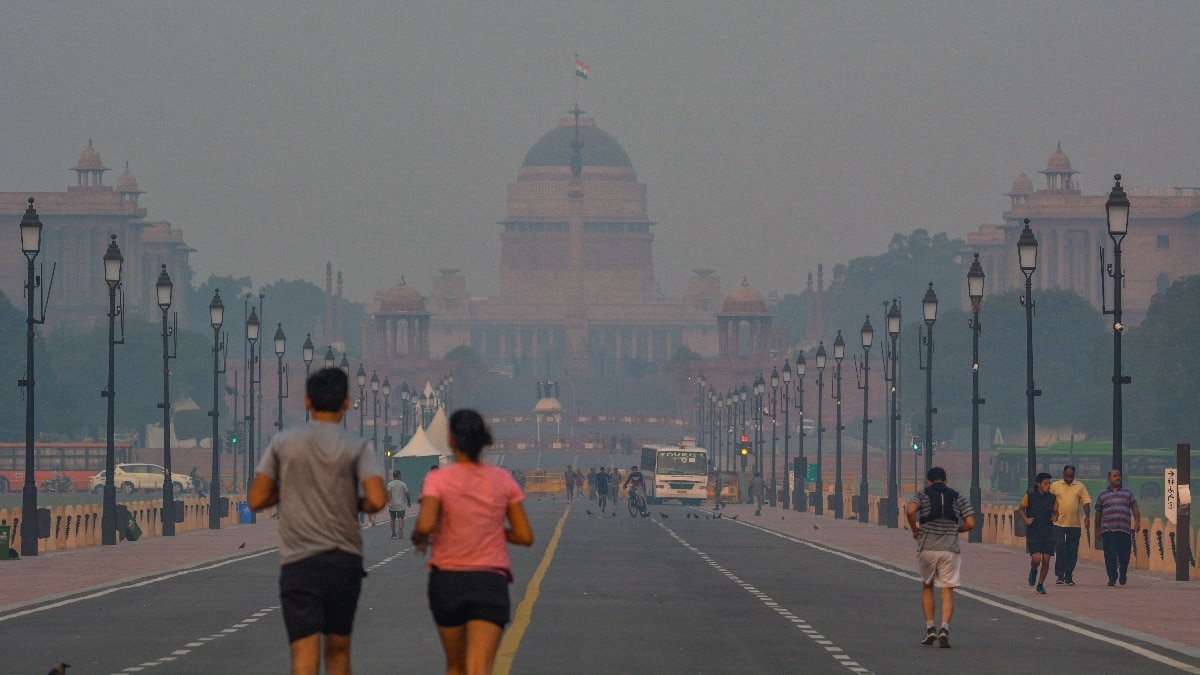
Air pollution does more than harm your lungs. Experts warn that prolonged exposure to toxic pollutants may trigger inflammation, oxidative stress and changes in gene activity, potentially raising the risk of chronic diseases and pregnancy complications.Air pollution may be damaging your DNA. What happens inside your body? (Image: Pexels)New Delhi,Nov 13, 2026 13:00 ISTAir pollution is no longer just a respiratory health concern. Its effects may extend deep into the body, potentially damaging DNA, altering gene activity and increasing the risk of chronic diseases. While people often associate polluted air with coughing, breathlessness and asthma, experts warn that its impact could be far more widespread.According to Dr Sanjeev Bagai of Dr Sanjeev Bagai Clinic, prolonged exposure to toxic air can trigger inflammatory responses and oxidative stress, which may affect the body's genetic material.In an interview, he explained how fine particulate matter and other pollutants can enter the bloodstream, travel to different organs and potentially interfere with normal cellular functions.HOW DOES AIR POLLUTION REACH YOUR DNA?Air pollution contains several harmful components, including PM2.5, toxic gases, sulphur oxides (SOx), nitrogen oxides (NOx), volatile organic compounds, heavy metals and other potentially harmful substances. According to Dr Bagai, some of these pollutants are small enough to penetrate deep into the lungs and enter the bloodstream, allowing them to affect organs beyond the respiratory system.He explained that these pollutants can contribute to oxidative stress and inflammation, potentially affecting bone marrow, the cardiovascular system and even DNA. Air pollution may be damaging your DNA. What happens inside your body? (File Image) WHAT HAPPENS WHEN POLLUTION DAMAGES DNA?DNA carries the genetic instructions that regulate how cells function and reproduce. Damage to this genetic material can interfere with normal cellular processes.Dr Bagai highlighted two mechanisms: changes in DNA methylation and damage to chromosomes.DNA methylation is an epigenetic process that helps regulate gene activity. Changes in these patterns can influence how certain genes are switched on or off.Chromosomal damage, meanwhile, can affect the integrity of genetic material. Such changes may have implications for cellular functioning and disease development.The doctor also raised concerns about the potential activation of pro-oncogenes, which are genes that can contribute to cancer development when abnormally activated.CAN AIR POLLUTION AFFECT FUTURE GENERATIONS?One of the most concerning aspects highlighted by Dr Bagai is the potential impact of prolonged pollution exposure on reproductive and foetal health.He pointed out that exposure may begin affecting health even before conception, raising concerns for couples planning a pregnancy.During the interview, he discussed possible associations between pollution exposure and adverse pregnancy outcomes, including premature deliveries, stillbirths and congenital abnormalities.He also cited concerns about children being born with conditions such as congenital heart disease, kidney abnormalities and developmental complications.However, the relationship between environmental exposure, genetic changes and inherited effects is complex. Changes in gene activity do not automatically mean that DNA damage will be passed down to future generations. Air pollution may be damaging your DNA. What happens inside your body? (File Image) POLLUTION EXPOSURE AND THE RISK OF CHRONIC DISEASESThe effects of air pollution are not limited to the lungs. According to Dr Bagai, prolonged exposure can contribute to inflammation and oxidative stress, potentially increasing the burden of several chronic health conditions.He raised concerns about its possible role in cardiovascular disease, strokes, diabetes, dementia and cancer.He also discussed the presence of microplastics in the human body and their possible contribution to inflammation and other health complications.WHY THE DURATION OF EXPOSURE MATTERSDr Bagai emphasised that the impact of air pollution depends on the concentration of pollutants as well as the duration of exposure.He explained that the damage can accumulate over time, making prolonged exposure particularly concerning.His warning is that air pollution should not be viewed as a temporary seasonal inconvenience. It is a long-term public health challenge that requires sustained intervention.Air pollution may be affecting the body at a much deeper level than we realise. Beyond respiratory symptoms, its potential effects on inflammation, cellular health and genetic processes make prolonged exposure a serious public health concern. Reducing pollution at its source and limiting individual exposure must become urgent priorities.- Ends
Air pollution may be damaging your DNA. What happens inside your body?
Full Article
Original Source
Read the full article at Indiatoday →KhanList aggregates and links to publicly available news content. We do not host full articles from third-party sources. Always verify important information with original sources.