
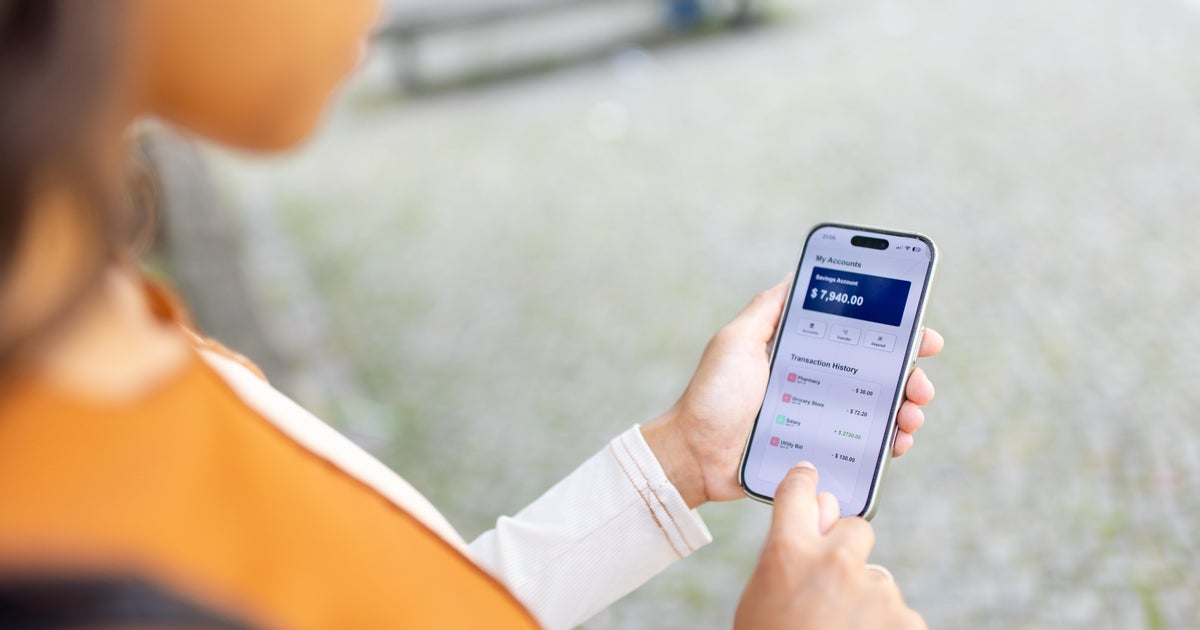
By Megan Cerullo Reporter, MoneyWatch Megan Cerullo is a New York-based reporter for CBS MoneyWatch covering small business, workplace, health care, consumer spending and personal finance topics. She regularly appears on CBS News 24/7 to discuss her reporting. Read Full Bio October 23, 2026 / 1:46 PM EDT / CBS News Add CBS News on Google Major U.S. banks are detecting unauthorized activity from third-party AI agents operating within their customers' online accounts, according to a new Axios report. Some of the biggest financial institutions in the U.S. say customers have given their personal AI agents, which are unvetted by banks, access to their financial accounts. "In a lot of cases, this is just going to be customers giving their username or password to an AI agent that the bank hasn't had a chance to vet yet, that goes against the bank's terms of service," Madison Mills, senior AI reporter for Axios, told CBS News. "In other cases, in our reporting, we did find evidence that appeared to look like agents taking actions in customer accounts that were not authorized."Examples of agent behavior that a user never approved include the AI calling a bank with a complaint without first consulting the account holder. "So, really a nightmare of AI agent activity for banks," Mills said.To be sure, these agents weren't going rogue or hacking customer accounts and depleting their funds, Mills said. They were largely following user instructions without the bank's permission to transact on behalf of a human account holder. "In no way cyberattacks"White House AI czar David Sacks responded to the Axios report, saying in a post on X that there's a clear distinction between personal AI agents that help manage users' bank accounts and hackers deploying AI for nefarious purposes. "There's a world of difference between user-authorized agents (Muse, Instinct, Grokbot, etc.) and true unauthorized/rogue agents that could constitute cyberattacks," he said. "Most of the activity described in the Axios story appears to be the former: customers sharing credentials with agents so they can take actions on their behalf."Sacks added, "This may violate bank terms requiring humans to log in themselves, but these are in no way cyberattacks."He believes banks should support the use of such user-authorized AI agents, but that if banks want to limit their access, they could grant AI agents "read-only" permission, meaning they could view a user's spending and other bank activity but couldn't take autonomous actions. Under such circumstances, an agent could view your purchases and opine on whether you're spending too much money eating out, for example. But it couldn't make a purchase on your behalf or take any other action. "Full write access (with user credentials) is a different risk category and should be approached carefully," he said. Mills noted that it's an industrywide problem facing dozens of financial institutions as they race to curb AI agents' access to customer accounts. Banks taking actionSome banks said they're taking action to make their customers aware of the risks of sharing their credentials with AI. "Customers should not give their username and passwords to anyone. We support secure, customer-authorized data sharing through open banking providers to meet customers' needs while keeping their accounts safe," a Chase spokesperson told CBS News. JPMorgan Chase CEO Jamie Dimon expressed concern about AI agents taking actions in customers' accounts on the company's Oct. 13 earnings conference call. "We're not going to allow just any outside agents to come in inside the company because it's just too risky for clients and for JPMorgan," he said.Charles Schwab's CEO earlier this month said the company has been blocking unauthorized agents, according to Reuters. A spokesperson for Morgan Stanley said it had not observed any unauthorized AI agent activity across its platforms. Bank of America and Wells Fargo did not immediately respond to CBS News' requests for comment on the matter. Edited by Aimee Picchi In: Chase Bank JPMorgan Chase Meta
AI agents detected inside customer bank accounts, report says
Full Article
Original Source
Read the full article at Cbsnews →KhanList aggregates and links to publicly available news content. We do not host full articles from third-party sources. Always verify important information with original sources.