
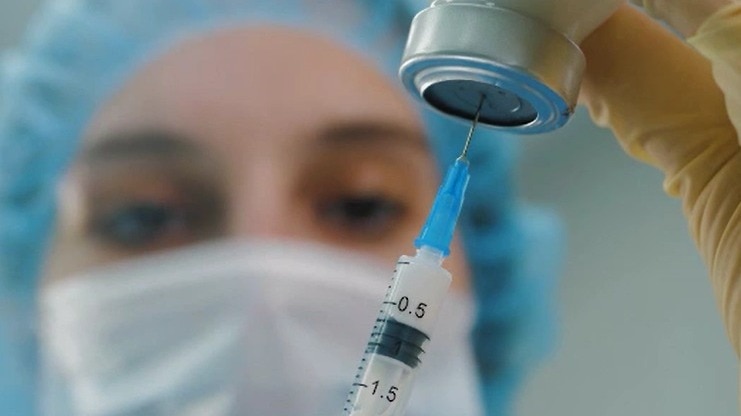
What if a cancer vaccine could be designed specifically for your tumour, rather than being developed for a large group of patients? This is the idea behind personalised cancer vaccines, an emerging area of cancer research that could change how doctors approach treatment.Hyderabad-based biotechnology company PopVax is attempting to bring this approach closer to reality through its RNA Foundry, a research, development and manufacturing facility launched in October 2026. The facility aims to design and manufacture personalised mRNA cancer vaccines based on the genetic characteristics of an individual patient's tumour.Unlike conventional vaccines, which are generally developed for broader populations, personalised cancer vaccines are designed using the mutations found in an individual's cancer cells. The idea is to help the immune system recognise these abnormal markers and mount a targeted response against cancer cells carrying them. However, while the development marks an interesting step for India's biotechnology sector, the science is still evolving. These vaccines remain experimental, and their effectiveness needs to be established through clinical trials.WHAT ARE PERSONALISED CANCER VACCINES AND HOW DO THEY WORK?Cancer develops when cells acquire genetic changes that allow them to grow and multiply abnormally. Some of these changes produce unusual proteins or protein fragments called neoantigens, which can help distinguish cancer cells from healthy cells. Personalised cancer vaccines use information from a patient's tumour to identify these potential targets.In the case of mRNA vaccines, scientists design genetic instructions that tell the body's cells to produce selected tumour-associated targets. The immune system can then learn to recognise these targets and activate immune cells, particularly T-cells, to attack cancer cells displaying them.Explaining the science, Dr Rahul Thakur, Consultant Radiation Oncologist, TGH ONCO LIFE Cancer Centre, Talegaon, said personalised cancer vaccines are being developed using the genetic information of an individual's tumour."The vaccine tends to train the immune system, mainly T-cells, to be able to recognise these markers and even attack cancer cells carrying them," he explained.The approach aims to make cancer treatment more targeted by focusing on the molecular characteristics of an individual's tumour. However, identifying potential targets does not automatically mean that the immune system will successfully eliminate the cancer.ARE PERSONALISED mRNA CANCER VACCINES ACTUALLY WORKING?Interest in personalised cancer vaccines has grown following clinical research into mRNA-based treatments.One notable example is the collaboration between pharmaceutical companies Moderna and Merck, which has been studying a personalised mRNA cancer vaccine, intismeran autogene, in combination with pembrolizumab (Keytruda) in patients with high-risk melanoma.Phase 3 trial results reported in 2026 showed a two-year recurrence-free survival rate of 82.2 per cent among patients receiving the vaccine alongside pembrolizumab, compared with 70 per cent among those receiving pembrolizumab alone.These findings offer encouraging evidence for the approach. However, they relate to a specific cancer, a particular patient population and a combination treatment. They cannot be taken as proof that every personalised cancer vaccine will produce similar results.More importantly, the results from one clinical programme cannot establish the effectiveness of another company's experimental vaccine.Dr Thakur said the evidence surrounding personalised cancer vaccines was still developing."However, larger, longer-term clinical trials are needed. These vaccines may be promising, but they are not yet established as a standard treatment for all cancers," he said.He also advised patients to discuss their doubts and treatment options with their doctors before considering such approaches.WHAT DOES HYDERABAD'S RNA FOUNDRY MEAN FOR INDIAN CANCER PATIENTS?The launch of the RNA Foundry reflects India's growing capabilities in advanced biotechnology and mRNA manufacturing.PopVax's facility aims to offer research, development and manufacturing services for personalised cancer vaccines. The process involves analysing a patient's tumour sequencing data, identifying potential targets and designing an mRNA sequence that can instruct the body to produce those targets.The company estimates that a personalised vaccine design and manufacturing project could cost around $300,000, or approximately Rs 2.5 crore. The process is expected to take around eight to 10 weeks in most cases.However, there is an important distinction between manufacturing an experimental vaccine and establishing it as a treatment.PopVax has stated that its personalised cancer vaccines have not yet been administered to patients and that it does not have clinical efficacy data for these candidates. The vaccines are not approved cancer treatments.The company plans to pursue clinical trials to establish their safety and effectiveness. Regulatory permissions and appropriate medical supervision are also essential before an experimental vaccine can be administered.For Indian patients, questions around access, regulatory pathways and affordability remain particularly important.SHOULD CANCER PATIENTS CONSIDER A PERSONALISED CANCER VACCINE?With growing interest in personalised cancer treatment, patients and their families may be tempted to explore newer technologies, particularly when conventional treatment options are limited.However, experts caution against treating experimental vaccines as alternatives to established cancer therapies.Dr Thakur said a patient's cancer type, stage, molecular profile and existing treatment options must be evaluated before considering a personalised cancer vaccine."It is necessary to first evaluate the patient's cancer type, stage, molecular profile, and existing treatment options before considering a personalised cancer vaccine," he said.He also emphasised that patients must understand that the effectiveness of these vaccines is not guaranteed."Side effects tend to occur in the form of fever, fatigue, and injection-site reactions," he explained.Most importantly, he cautioned patients against discontinuing standard cancer treatment in the hope of benefiting from an experimental vaccine.Patients should discuss the potential benefits, risks, costs and regulatory status of any such intervention with their treating oncologist.Personalised cancer vaccines represent an exciting direction in cancer research, but the journey from a promising laboratory concept to a proven treatment is a long one. For now, they should be viewed as an emerging area of research rather than a replacement for established cancer care.- Ends
A cancer vaccine made for one patient? What Hyderabad's RNA Foundry is building
Full Article
Original Source
Read the full article at Indiatoday →KhanList aggregates and links to publicly available news content. We do not host full articles from third-party sources. Always verify important information with original sources.