
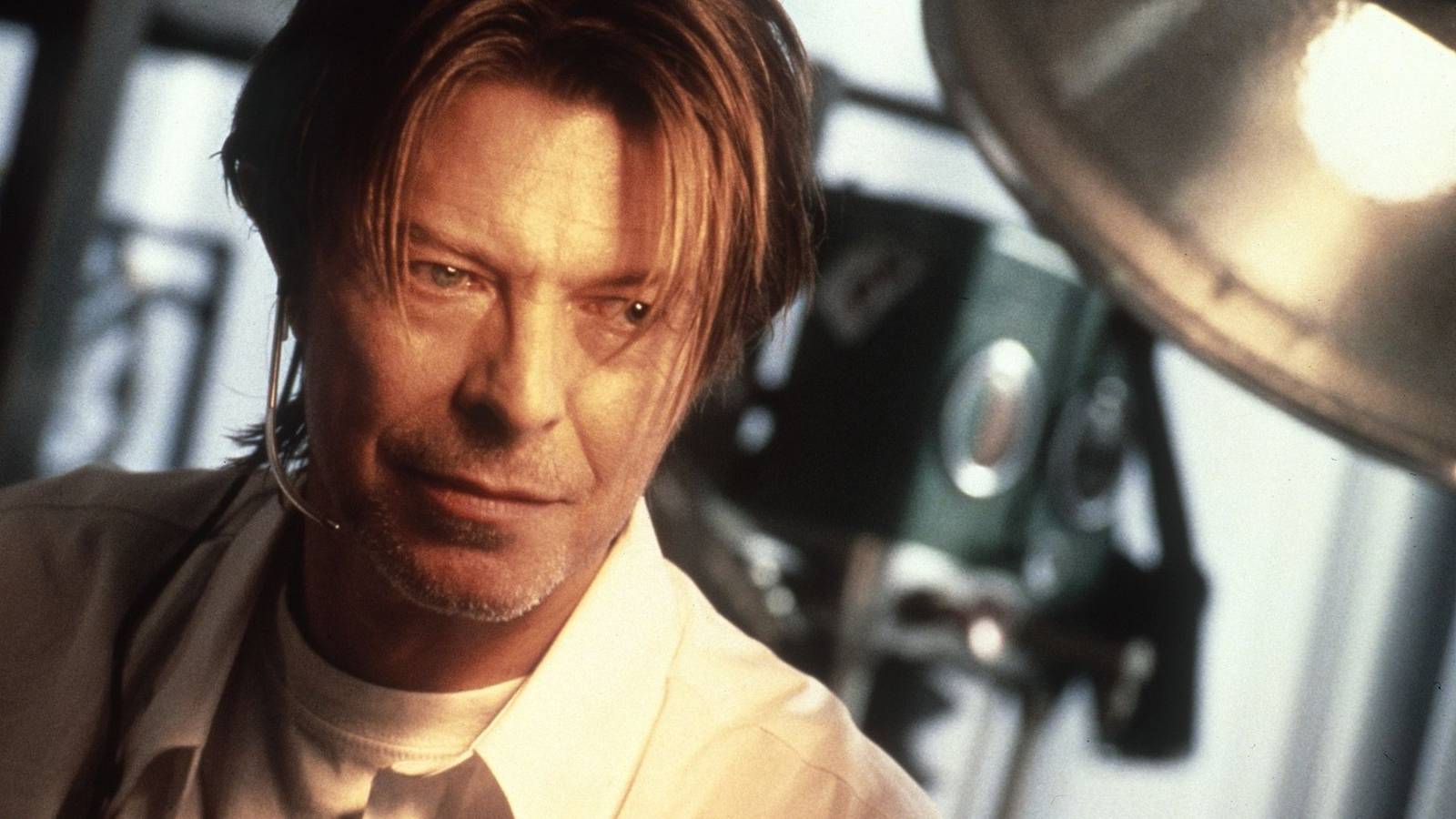
Horror has always been a huge genre, and not only in movies. For decades, horror shows have graced television screens, offering everything from vague scares for younger folks to absolutely terrifying tales for adults. Every decade has had its hits, from The Twilight Zone to Buffy the Vampire Slayer, but the 1990s had far more horror shows than some might recall. Many of these shows lasted only a season or two (sometimes less), and most deserved better. Unfortunately, some of these shows were lost to time, either because few saw them in the first place or because they were tragically forgotten over the years. Some aren't even available for streaming, and tracking them down on DVD is almost impossible. It's a shame, because these 1990s horror shows found truly unique ways to explore trauma, desire, religion, and more, both in anthology form and in story-driven narratives. American Gothic (1995-1996) Available For Purchase On Apple TV & Prime Video © CBS / Courtesy: Everett Collection American Gothic had so much going for it when it debuted; it should have been simple for it to last longer than a season. Shaun Cassidy created it, and Sam Raimi was one of the executive producers. The main cast included Lucas Black, Sarah Paulson, and Paige Turco. Everyone from Bruce Campbell to Evan Rachel Wood guest-starred. Even the premise was terrific (if a little tropey): a corrupt sheriff, backed by supernatural powers, tries to sway his young son to the dark side while others try to keep the boy out of the man's grasp. It might be a familiar scenario, but there's a reason people keep coming back to the media featuring that kind of situation. Unfortunately, though, American Gothic aired on CBS, which not only aired the episodes out of order and created confusion for viewers, but also left four episodes out of the network broadcast entirely. The show started with fairly strong ratings, but all the chaos meant those fell over time. Critics were also mixed on the series, with some hailing it as the best new thing and others finding it too violent. It's gained a cult following since then, though, suggesting it likely could have done much better without all the shenanigans from the network. Brimstone (1998-1999) Unavailable For Streaming © Warner Bros. Television / Courtesy: Everett Collection Brimstone had only 13 episodes (originally aired out of order), but Syfy and Chiller both ran reruns for a while. The premise gives off some vague Sandman Slim vibes in that a detective, Zeke Stone, who was murdered and ended up in Hell, is sent back to Earth to work for the Devil in retrieving 113 escaped souls. He must send all those souls back to Hell to earn a second chance at life. This show had a few sillier elements, but it also included action in the form of Stone battling escapees and horror with the whole concept of demons, Hell, and a bit of magic. Also, Stone had to pierce the escaped souls' eyeballs to return them, which was pretty terrible. Humor could also be found, since the Devil seemed to delight in veering between helping and hindering Stone. Along with a decent cast, including Lori Petty in a recurring role, it was an overall fun show that wasn't seriously scary but still had the trappings of traditional religious horror. It had already begun setting up its mythology, such as souls gaining powers after remaining in Hell for a certain time, so it's a shame viewers didn't get to see where it was all headed. The Hunger (1997-2000) Available To Stream Free On Tubi Credit: Vero Boncompagni / ©Showtime / Courtesy: Everett Collection The Hunger aired on Showtime in the United States and followed the tried-and-true anthology format of a host introducing the evening's terrifying tales. Terence Stamp hosted the first season, while David Bowie hosted the second. The horror stories in this one heavily focused on obsession and desire, along with the ways those could cause destruction, which meant the show often dipped into soft-core erotica territory. Some of The Hunger's more popular tropes included possession, vampires (originally meant to be the primary focus), and magic spells, and many of the stories took incredibly dark turns. Several major stars appeared in the show, including Balthazar Getty, Daniel Craig, and Lena Headey, so there was certainly no lack of star power involved. This anthology series should have received far more episodes than it had, if for no other reason than its edgier tales and wealth of talent. The Hunger had a bit of a resurgence on Apple TV in July 2026, rising to become the seventh most-watched show on the streaming app. Why that happened is unclear, but it certainly deserved that attention. Riget (1994, 1997, 2022) Available To Stream Via MUBI Danmarks Radio (DR) Also known as The Kingdom, Riget was co-created by Lars von Trier, which meant it was almost guaranteed to be surreal, absurd, bizarre, and horrific. Set in Copenhagen's Rigshospitalet ("The National Hospital," nicknamed "Riget"), the series followed the hospital staff and patients as they experience a host of unusual and sometimes supernatural circumstances. From a doctor wanting a cancerous liver so badly that he has it transplanted into his own body to a woman impregnated by a spirit, everything about Riget was extremely odd and occasionally difficult to watch. Add to all that the show's signature muted color scheme, a group of dishwashers standing in for a Greek chorus, and the sly humor, and it's no wonder the show became popular enough that renowned horror author Stephen King created an American adaptation called Kingdom Hospital. Unfortunately, the adaptation's ratings dropped throughout its first season (and it earned 46% on Rotten Tomatoes' Tomatometer), so a second was never made. The original had three delightfully deranged seasons, though, that were such a wild ride, fans wouldn't have minded more. Kindred: The Embraced (1996) Unavailable For Streaming © Aaron Spelling Television / Courtesy: Everett Collection Those who enjoy tabletop role-playing games are probably familiar with Vampire: The Masquerade. The game dropped in 1991 and became a critical and commercial success. Along with that came several tie-ins, including the short-lived TV series, Kindred: The Embraced. The show was very loosely based on the game, in that it featured a prince ruling over five vampire clans and focused more on the exploration of personal horror, rather than the universal kind. C. Thomas Howell starred as a cop who discovers that vampires exist and then develops a friendship of sorts with the prince. Unfortunately, critics seemed to hate Howell's character while loving the prince. Additionally, elements of the show were so rooted in the game that it sometimes made the series more complex than it needed to be. As a result, Kindred: The Embraced was canceled after only seven episodes, with one episode remaining unaired. Two other episodes were already written but never filmed. This version of the show might not have successfully translated Vampire: The Masquerade, but the concept seems worth re-exploring. The Hitchhiker (1983-1991) Unavailable For Streaming ©HBO/courtesy Everett Collection The Hitchhiker may have started in the 1980s, but the final season ran from 1990 to 1991. First airing on HBO, then moving to the USA Network, the show revolved around a mysterious hitchhiker who introduced and closed out each episode. Between the opening and closing came frightening tales exploring the darker side of humanity (and occasionally the supernatural). The series shared several commonalities with The Twilight Zone, not only in its structure but also in the way it featured numerous guest stars who later became notable. Just a few of the famous names to appear on the show included Sandra Bernhard, Barry Bostwick, Gary Busey, and Willem Dafoe. The tales it shared tended to be more adult than other horror or sci-fi anthologies at the time, often featuring gore and nudity (enough that some critics admonished the show for it). Admittedly, The Hitchhiker did have to tone down the blood and sex when it moved over to the USA Network, so some found those episodes lacking in what made the show so great in the first place. Had it not moved, perhaps it could have lasted even longer, providing audiences with ever scarier stories. Ultraviolet (1998) Streaming On Roku, Fawesome, & Pluto TV Ultraviolet, a British serial starring Idris Elba, only had six episodes but offered a unique take on vampires at the time. Rather than treating them as supernatural, the show took a more scientific approach to vampirism (in fact, the word "vampire" isn't spoken on the show at all), with much of the folklore surrounding these supernatural creatures non-existent. Just a few of the plotlines covered during the series included a woman possibly impregnated by a vampire, medical experimentation, and the outbreak of a vampire-related disease. In the show, vampires, or "Code Fives," are looking to take over the world because events like climate change are causing global instability. Most people are unaware of the creatures' existence, but a secret organization of vampire hunters attempts to stop them. When a cop stumbles upon the organization after learning that his best friend (played, funnily enough, by True Blood's Stephen Moyer) had become a vampire, he teams up with them. While the final episode revealed the vampires' plan to conquer humanity (which was honestly terrifying), seeing more of Ultraviolet's blend of ethical quandaries, religion, science, and the supernatural would have been fun. There was almost an American version, but it never made it past its unaired pilot. Nightmare Café (1992) Unavailable For Streaming ©MGM Television/courtesy Everett Collection Nightmare Café aired only six episodes, but for those who caught this Wes Craven creation, those episodes have likely stuck with them. The show mixed a few genres, including horror, dark humor, and mystical fantasy, and the premise was simple. A possibly sentient café appears in a desired location. Robert Englund plays the mysterious owner, and people are drawn to the café, presumably by fate. The show was originally intended to be an anthology series along the lines of Amazing Stories, but Craven seemingly changed his mind and retooled it somewhat. The show, despite its name and the involvement of Craven and Englund, wasn't focused on horror, but the characters attracted to the café sometimes faced nightmare scenarios. The show was about second chances, so everybody who walked through the doors of this otherworldly location had a chance to correct or atone for things they'd done in life. However, the café had a sense of irony and poetic justice, and a few people ended up worse off than when they started. Reception to Nightmare Café was mixed, and ratings were low, so it was canceled before it ever had a chance to find its groove. Had the show had more time to work out the kinks, however, it could have potentially become one of the better 1990s horror shows.
8 Forgotten Horror Shows From The '90s That Deserved Better
Full Article
Original Source
Read the full article at Screenrant →KhanList aggregates and links to publicly available news content. We do not host full articles from third-party sources. Always verify important information with original sources.