
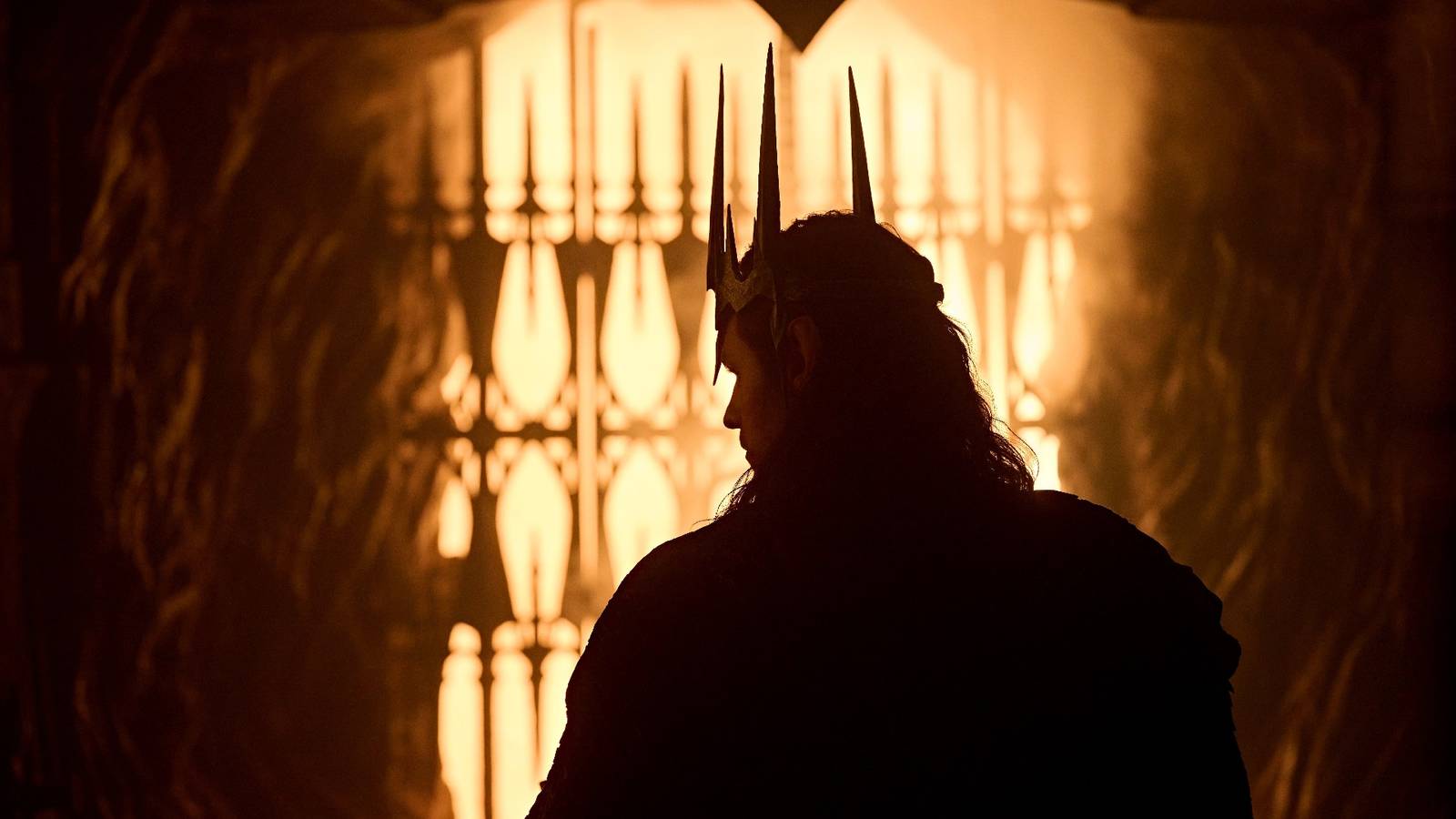
Published Nov 12, 2026, 5:30 PM EST Mads Misasi is an entertainment journalist and marketing content creator. Before joining the ScreenRant team they wrote for TellTaleTV for 9 years working their way up from contributor to Associate Editor. TV has been a passion of theirs since a very young age. Mads typically watches all of the things, especially dramas and sitcoms. Prime Video's The Lord of the Rings: The Rings of Power has struggled to win over audiences since its debut, despite its ambitious approach to bringing J.R.R. Tolkien's Second Age of Middle-earth to television. With an enormous budget, impressive visuals, and an expansive cast of characters, the fantasy series has consistently delivered awe-inspiring spectacle. However, its storytelling decisions have proven far more divisive, and season 3 is continuing that trend. As the series moves closer to Sauron's rise to power, it is navigating some of its most consequential storylines yet. Unfortunately, the increased stakes haven't necessarily translated into stronger storytelling or a more enthusiastic critical reception. Instead, season 3 has established an unfortunate Rotten Tomatoes record, raising questions about why the fantasy series continues to struggle despite its enormous potential. The Rings of Power's record-setting Tomatometer score of a middling 80% reflects several criticisms that have followed the series since its premiere, alongside new concerns about season 3's creative direction. From controversial character relationships to disconnected narratives, the latest installment demonstrates that even Middle-earth's most ambitious television adaptation isn't immune to familiar storytelling problems. Khazad-dûm Introduces Unnecessary Family Drama Ben Rothstein/©Amazon/MGM Studios/Courtesy Everett Collection The dwarves of Khazad-dûm have consistently provided some of The Rings of Power's strongest character relationships, particularly through Durin IV and Disa. Their marriage has been a grounding force amid the political conflicts and supernatural threats facing Middle-earth. Unfortunately, season 3 complicates that relationship with unnecessary drama that detracts from the more consequential events unfolding around them. The introduction of Durin's estranged brother, Thrain, creates another power struggle within the kingdom. However, his complicated romantic history with Disa introduces an entirely different conflict, threatening the stability of her and Durin's marriage. Rather than building on these characters' established strengths, the series leans into a familiar love-triangle dynamic that feels out of place. With the dwarves already dealing with the dangerous influence of the Rings and the future of their kingdom, introducing marital tension seems particularly unnecessary. While family conflicts have always been central to Khazad-dûm's storyline, season 3 sacrifices some of the emotional authenticity that previously made Durin and Disa so compelling. Season 3's Pacing Remains Uneven Despite The Increased Action MovieStillsDB One of the most persistent criticisms of The Rings of Power has been its pacing, with the series frequently struggling to balance its character-driven storytelling against the larger conflicts unfolding throughout Middle-earth. Season 3 attempts to address this issue by increasing the action and bringing Sauron's growing influence to the forefront. However, the results aren't entirely successful. The latest installment delivers more battles and confrontations, creating a greater sense of urgency than previous seasons. Nevertheless, these exciting sequences are regularly interrupted by slower developments involving the various kingdoms and characters. The political maneuvering in Númenor, in particular, continues to slow the narrative despite the increasingly significant stakes. Although the series deserves credit for making its action sequences more ambitious, spectacle alone cannot resolve its pacing problems. With so many characters requiring attention, The Rings of Power struggles to maintain consistent momentum between its biggest moments. Consequently, season 3 occasionally feels like two different shows competing for the audience's attention. The Series Still Struggles To Escape Peter Jackson's Shadow Any adaptation of J.R.R. Tolkien's Middle-earth inevitably faces comparisons to Peter Jackson's acclaimed The Lord of the Rings trilogy. Unfortunately, The Rings of Power has struggled with those expectations since its premiere, and season 3's movement toward more recognizable elements of Tolkien's mythology makes the comparisons increasingly unavoidable. The introduction of familiar characters and the continued development of Sauron bring the series closer to the Middle-earth audiences recognize from Peter Jackson's films. However, these connections also highlight the differences between the two adaptations. While Jackson successfully balanced enormous battles and complicated mythology with deeply personal character journeys, The Rings of Power has been less consistent in achieving that balance. Additionally, the prequel's determination to explain the origins of familiar characters, locations, and objects occasionally makes its storytelling feel more concerned with establishing connections than creating something distinctive. Despite the show's impressive visuals and enormous production budget, it still faces the challenge of establishing an identity independent of Jackson's legacy. The Rings Of Power Has Faced Backlash From The Beginning The Rings of Power entered television with enormous expectations, but its reception was complicated long before audiences watched its premiere. From The Rings of Power's controversial casting decisions to concerns about deviations from Tolkien's established mythology, the Prime Video series became a frequent subject of debate among fans. Unfortunately, those disagreements have continued throughout its three seasons. The show's creative liberties have been particularly divisive, especially among viewers who expected a more faithful interpretation of Tolkien's Second Age. Although adaptations inevitably require changes, The Rings of Power has introduced original characters, altered established timelines, and reimagined familiar relationships. These decisions have made it difficult for the series to satisfy every segment of its audience. However, fan backlash doesn't directly determine the show's Rotten Tomatoes Tomatometer, which reflects professional critics' reviews. Instead, the ongoing controversy provides important context for the series' reception. After three seasons, The Rings of Power is still attempting to overcome criticisms that have shaped conversations about the adaptation since its announcement. The Rings Of Power Is Doubling Down On Sauron & Galadriel's Romance Story One of The Rings of Power's most controversial creative decisions has been its depiction of the relationship between Galadriel and Sauron. Beginning with their interactions when Sauron disguised himself as Halbrand, the series established an emotional connection that some viewers interpreted as romantic. Rather than moving away from that dynamic, season 3 makes it an even more prominent part of the narrative. The introduction of Galadriel's long-lost husband, Celeborn, creates additional complications. His return should provide an opportunity to explore Galadriel's personal history and the emotional consequences of their prolonged separation. However, Sauron's continuing fixation on Galadriel also places their relationship within a potentially romantic triangle, despite his role as Middle-earth's central villain. For viewers who appreciate the complicated dynamic, this creates additional dramatic possibilities. Nevertheless, others may find the emphasis on romantic tension distracting from the larger conflict between good and evil. By continuing to explore this controversial connection, season 3 risks alienating viewers who already questioned the show's interpretation of these iconic characters. The Rings Of Power's Narrative Lacks Cohesion In Season 3 Image via Prime Video Despite its attempts to streamline the storytelling, The Rings of Power season 3 still struggles to connect its numerous narratives. The series covers an enormous geographical area, but not every storyline feels equally relevant to the larger conflict against Sauron. Consequently, some developments feel disconnected from the central plot rather than advancing it. Gandalf's adventures in Rhûn are a particularly notable example. Although his confrontation with the Dark Wizard expands the mythology, the storyline largely operates independently of the events involving Sauron and the other major characters. This separation makes it difficult to understand how Gandalf's journey contributes to the season's overarching narrative. Scratch & Peek Identify the cover art while scratching off as little foil as possible. Similarly, the prison break involving Galadriel and Arondir raises questions about the story's direction. Their mission to rescue the Elven smith Maitalle becomes irrelevant when they discover she is already dead, leaving Celeborn's introduction as its most significant accomplishment. Although his return is important, this Rings of Power storyline feels like an unnecessarily complicated way to reunite Celeborn with Galadriel.
6 Reasons The Rings Of Power Season 3 Has A Record-Setting Tomatometer Score
Full Article
Original Source
Read the full article at Screenrant →KhanList aggregates and links to publicly available news content. We do not host full articles from third-party sources. Always verify important information with original sources.