
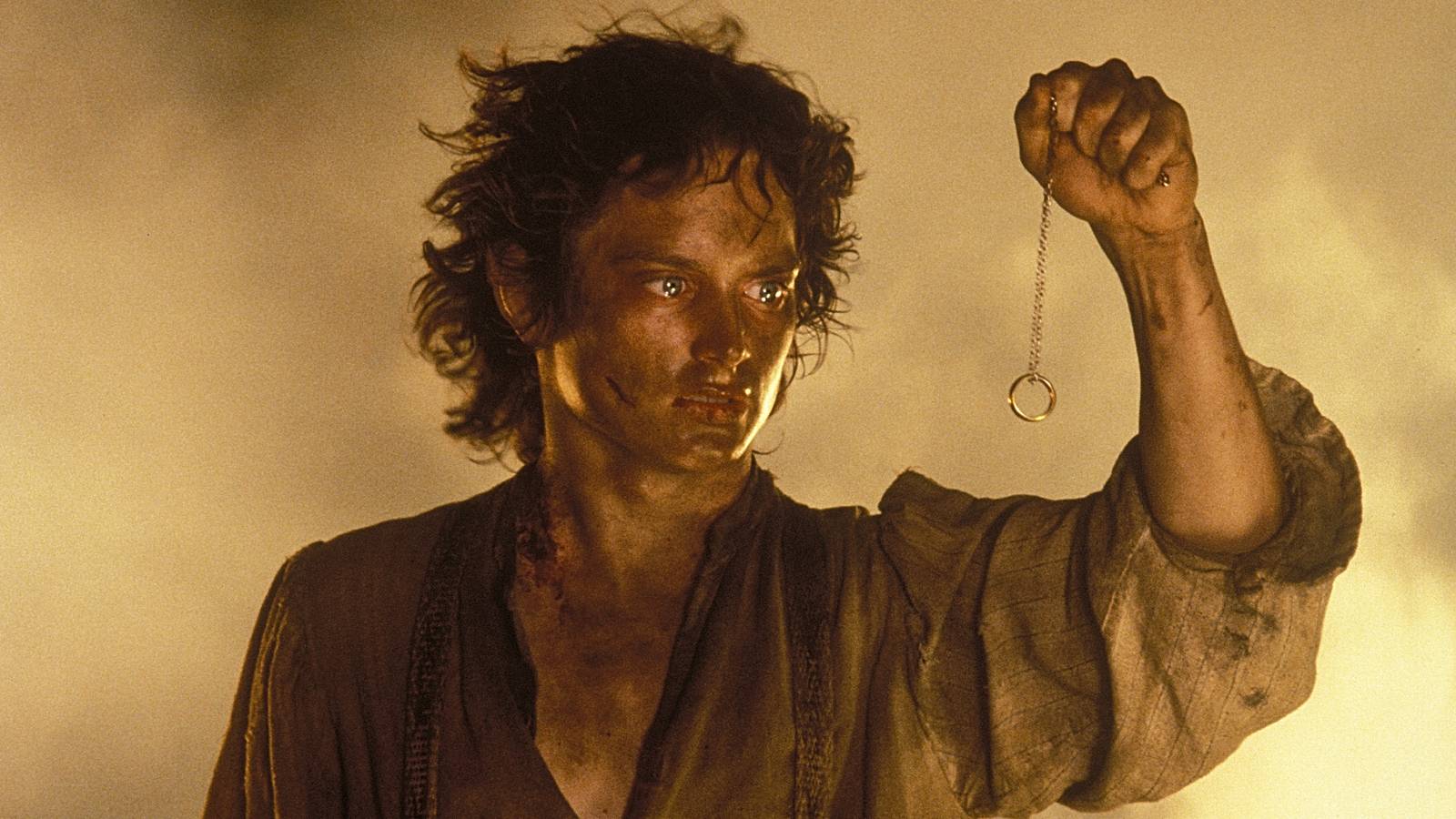
Published Nov 3, 2026, 3:04 PM EST Senior Music Editor at Screen Rant, Sarah's love of sound and story drive the beat. A globetrotting brand whisperer and award-winning journalist, she’s built cross-cultural narratives around the world—but music has always been her true north. She launched DJ Mag North America, successfully introducing the iconic UK brand to the U.S. market. Previously, she carved a space for EDM inside the pages of VIBE, blending electronic and hip-hop culture long before it was trendy. Making one great movie is difficult enough, but delivering three exceptional films in succession is an achievement few filmmakers accomplish. Even outstanding movie sequels don't guarantee a successful trilogy, particularly when the final installment fails to live up to its predecessors. Fortunately, some of cinema's most impressive trilogies found their inspiration in literature. Books provide filmmakers with rich characters, established worlds, and stories capable of sustaining multiple movies. However, having excellent source material guarantees very little. An ambitious adaptation can still stumble through questionable creative decisions, uneven performances, or a disappointing conclusion. The greatest trilogies overcome those obstacles, delivering three individual films that contribute to a satisfying larger narrative. Cinema also has its share of great unofficial movie trilogies connected by common themes rather than a continuous story. However, the literary adaptations featured here follow cohesive narratives, even when they aren't based on conventional three-book series. Peter Jackson adapted J.R.R. Tolkien's The Lord of the Rings, originally published in three volumes, while Satyajit Ray's acclaimed Apu Trilogy draws from two Bengali novels. Meanwhile, Masaki Kobayashi transformed a sprawling six-volume Japanese novel into three remarkable movies. For this ranking, each selection must consist of three films forming a cohesive narrative, with a clear literary foundation. Later sequels, spinoffs, and remakes don't disqualify an established trilogy, although the original three movies must work as a complete story. Most importantly, every installment needs to justify its existence through excellent filmmaking, compelling characters, and a satisfying conclusion. These five trilogies come remarkably close to perfection. 5 The Bourne Trilogy (2002–2007) Universal Robert Ludlum's bestselling spy novels provided the inspiration for one of the most influential action trilogies of the 21st century. Beginning with The Bourne Identity (2002), Matt Damon stars as Jason Bourne, a highly trained operative suffering from amnesia who discovers that powerful intelligence agencies want him dead. The Bourne Supremacy (2004) and The Bourne Ultimatum (2007) expand his investigation into his mysterious past, revealing increasingly disturbing details about the organization responsible for creating him. Although the sequels depart considerably from Ludlum's books, the three films form an exceptionally cohesive action-thriller narrative. Doug Liman established the grounded approach in The Bourne Identity, while Paul Greengrass brought an increasingly intense visual style to the subsequent installments. Their practical stunts, gripping conspiracies, and intelligent storytelling helped redefine modern espionage movies. The franchise eventually continued with additional sequels, but the original trilogy culminates in a particularly satisfying conclusion, making it a near-perfect example of action filmmaking. 4 How To Train Your Dragon Trilogy (2010–2019) ©DreamWorks/©Universal Pictures/Courtesy Everett Collection DreamWorks Animation achieved something remarkable with its How to Train Your Dragon trilogy, inspired by Cressida Cowell's children's book series. The original 2010 film introduces Hiccup, an awkward young Viking who develops an extraordinary friendship with Toothless, a dragon belonging to a species feared by his community. Their relationship transforms the attitudes of their fellow Vikings, setting the stage for two increasingly ambitious sequels exploring family, leadership, and the uneasy relationship between humans and dragons. How to Train Your Dragon 2 (2014) expands the franchise's emotional stakes, while How to Train Your Dragon: The Hidden World (2019) provides a surprisingly mature conclusion to Hiccup and Toothless' journey. Although the movies take considerable liberties with Cowell's books, the central relationship remains compelling throughout all three installments. The animated trilogy's consistently strong critical reception reflects its extraordinary combination of gorgeous animation, memorable music, and emotional storytelling. Few family franchises have managed to grow alongside their characters while maintaining such a consistently high standard. 3 The Human Condition Trilogy (1959–1961) Masaki Kobayashi's The Human Condition stands among the most ambitious literary adaptations in Japanese cinema. Based on Junpei Gomikawa's six-volume novel, the trilogy comprises No Greater Love (1959), Road to Eternity (1959), and A Soldier's Prayer (1961). Tatsuya Nakadai delivers an extraordinary performance as Kaji, an idealistic Japanese pacifist whose attempts to maintain his moral principles become increasingly difficult as World War II exposes him to exploitation, military brutality, and unimaginable suffering. Running approximately nine and a half hours, the trilogy examines the devastating consequences of war through one man's increasingly desperate struggle to preserve his humanity. Kobayashi's exceptional visual compositions and Nakadai's emotionally exhausting performance give the enormous production a remarkable sense of intimacy. Each film expands upon its predecessor without diminishing the story's emotional power. As the Criterion Collection's assessment of the trilogy demonstrates, it remains one of Japanese cinema's most substantial achievements. Its considerable length and relentlessly bleak subject matter demand commitment, but few film trilogies offer such a profound examination of human morality. 2 The Apu Trilogy (1955–1959) Satyajit Ray's Apu Trilogy represents one of the most extraordinary directorial debuts and subsequent achievements in world cinema. Adapted from Bibhutibhushan Bandyopadhyay's novels Pather Panchali and Aparajito, the trilogy begins with Pather Panchali (1955), following a young boy growing up in rural Bengal. Aparajito (1956) explores Apu's education and changing relationship with his family, while Apur Sansar (1959) follows him into adulthood, marriage, and fatherhood. Unlike conventional film trilogies built around escalating conflicts, Ray's movies find extraordinary meaning in the seemingly ordinary experiences that shape a person's life. His naturalistic storytelling, beautiful cinematography, and remarkable attention to human behavior create an emotional continuity across all three films. Each installment stands independently as a major cinematic achievement, while the complete trilogy offers a deeply moving portrait of personal growth, loss, and resilience. Its influence on international filmmaking is enormous, and its emotional honesty remains timeless. Few trilogies have maintained such remarkable artistic consistency while exploring an entire lifetime. Choose the movie with the higher Rotten Tomatoes score. 1 The Lord Of The Rings Trilogy (2001–2003) Peter Jackson accomplished something extraordinary when he brought J.R.R. Tolkien's The Lord of the Rings to the big screen. Beginning with The Fellowship of the Ring (2001), the trilogy follows Frodo Baggins (Elijah Wood) and his companions as they attempt to destroy the One Ring and prevent the dark lord Sauron from conquering Middle-earth. The Two Towers (2002) expands the story into an enormous conflict involving multiple kingdoms, while The Return of the King (2003) delivers a spectacular conclusion to the characters' interconnected journeys. The trilogy's extraordinary production design, groundbreaking visual effects, and Howard Shore's unforgettable musical score helped establish a new standard for epic fantasy filmmaking. However, its greatest achievement is the emotional investment Jackson creates in his characters. From the friendship between Frodo and Sam to Aragorn's acceptance of his destiny, the films balance their increasingly spectacular battles with deeply personal stories. Although the adaptations omit substantial material from Tolkien's novels, Jackson preserves their central themes of courage, loyalty, sacrifice, and the corrupting influence of power. The three films earned a combined 17 Academy Awards, with The Return of the King winning all 11 of its nominations, including Best Picture. More than two decades after their release, the movies remain a staggering achievement in filmmaking. For their remarkable consistency, cultural influence, and ability to deliver a satisfying conclusion on such an enormous scale, The Lord of the Rings stands as cinema's most perfect literary trilogy.
5 Most Perfect Movie Trilogies Based On Books, Ranked
Full Article
Original Source
Read the full article at Screenrant →KhanList aggregates and links to publicly available news content. We do not host full articles from third-party sources. Always verify important information with original sources.