
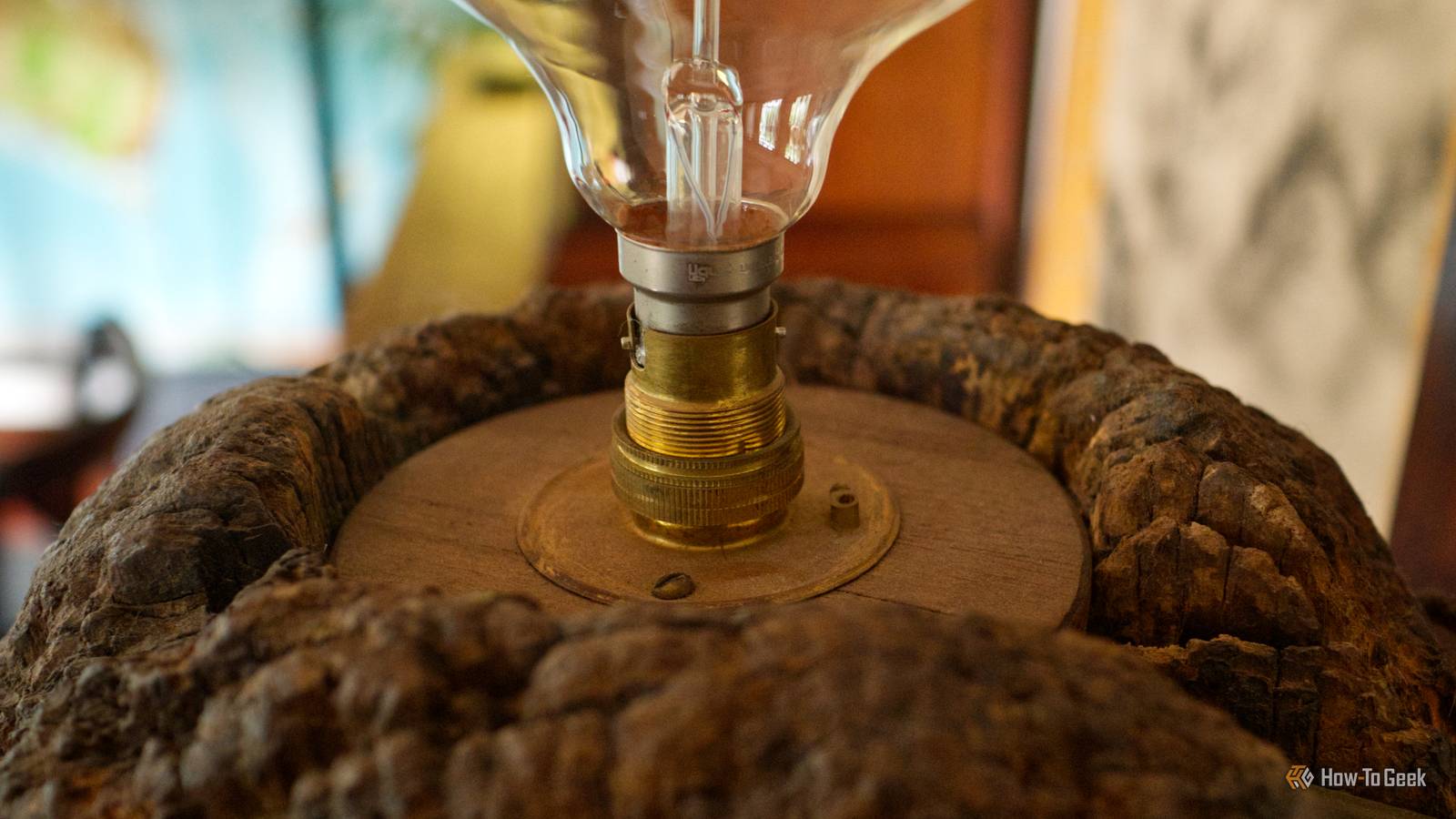
Published Aug 27, 2026, 11:00 AM EDT Tim has been covering technology for almost 20 years, in that time spanning a broad range of topics from security to product reviews. He is especially focused on the Apple ecosystem, productivity, and consumer advice. Over the years Tim has written thousands of articles, reviews, and round-ups in addition to producing video content and original photography. A graduate of journalism, he found his footing as a freelancer with a laptop and loves how he is able to work from practically anywhere. Now a Senior Editor for iPhone, Mac, and Smart Home at How-To Geek, Tim still loves to write. He can also be found crafting round-ups and productivity posts for the Zapier blog. Earlier in his career Tim spent nearly a decade as a writer and eventually Apple section editor for MakeUseOf. Tim currently lives in Brisbane, Australia. Outside of work he loves to hike and work out, play video games, and spend quality time with his wonderful partner and two cats Inka and Roger. Feeling the itch to make something but don’t have an entire workshop at your disposal? Don’t worry, there are plenty of ways to flex your woodworking and upcycling skills without going into debt at the hardware store. Here are five ideas for your idle hands. Nesting boxes for wildlife Birds, bats, and everything else Credit: Cornell Lab Nesting boxes for birds are one of the first things I ever made all those years ago with bits of spare wood from my dad’s workshop. I’m not talking about ornate pieces, just functional shelter for birds that can be fastened to trees and other safe places in your garden. Plans are straightforward, require very minimal equipment (a saw, some screws, and sandpaper is usually enough), and the end results don’t need to be picture-perfect. There are plenty of guides available online, from kid-friendly builds to more involved designs that attract specific birds. The most important thing to remember is to use a resource like Cornell Lab’s NestWatch to match the nesting box with the right bird. Different species have different preferences and requirements to keep them safe. You should also understand what makes a good nestbox, like untreated wood, galvanized screws, and proper drainage. You can also add predator guards to the tree beneath the box, like cone baffles that can stop snakes or cats from preying on your new tenants. Make your own picture frames Learn to mount, too Wooden picture frames are surprisingly easy to make. All you need are four pieces of wood cut to size at 45º angles, some glue, a means of reinforcing the joints, and some appropriately-sized glass and backing board. You can even take glass from another unwanted (or broken) frame and work it into a new design of your choosing. The most basic Wikihow guides are enough to get you started, and the technique allows you to get creative and stamp your own mark on the project. For example, you don’t need a router to cut a fancy edge, a thin piece of wood that’s been finished by hand and polished or painted emphasizes what’s in the frame rather than the frame itself. Alternatively, have some fun with it and gather some driftwood or other interesting shaped wood and turn it into a frame that makes a statement. While you’re at it, you can learn how to mount a picture yourself too. Custom upcycled lamps What’s old becomes new A few years ago, my dad got his hands on some old cartwheel hubs in a thrift store. These are big hefty objects that look rustic, with wood that’s degraded and rusted iron detailing. Eventually, he settled on turning them into lamps by swapping in the hardware and routing the cable properly. In addition to retaining an interesting piece of history, it’s a great example of how easy it is to upcycle something old into something you can appreciate every day. Lamps are especially good for this, since the electrical aspect is so simple. You can salvage the fitting from an old lamp, or just buy something to suit (even IKEA sells basic lamp kits). Instructables has simple tutorials on turning basic blocks of wood into lamps, and you can finish them however you like. One bit of advice is to make sure the bulb fitting suits whatever bulb type you want to put in it. My lamp has a bayonet-style fitting, and I had a very difficult time finding a dim filament “feature” bulb that I was happy with. I now want to swap a fancy smart bulb in there for use as a signal light and I’m probably going to have to swap the fitting since they all use screw-type mounts. Planters for herbs and more Make a planter that fits your space perfectly Cedar picket fence boards are among the more affordable cuts of wood you can pick up and are favored for being oil-heavy and resistant to rot. As a result, cedar doesn’t necessarily need to be treated to last a while. This makes it ideal for planting edibles, from herbs and small fruiting plants like strawberries to tomatoes and more. The size you choose depends on the space you have available, but the plans can scale up and down or be adapted to suit. There are small planters that work for decorative plants or individual herbs to much larger designs that fill a larger space. Most projects call for very simple tools like a saw, a drill, a hammer, some screws or nails, wood glue, and so on. You only need to look at how projects like this come together to figure out how you can tailor them to your space. Palettes are often another popular choice for planters, but do be aware that many of them are treated with some heavy chemicals that you won’t necessarily want touching your food. Learn to make a dovetail box Then make a double dovetail Dovetail joints are beautiful, and often lauded as a sign of quality craftsmanship. They require technique, time, and effort to get right but the end result combines both form and function in a single piece. But you don’t need to be a master craftsman to nail this technique, you don’t even need to have a project in mind to practice. Common Woodworking has a simple guide to creating a dovetail out of any old scrap wood you might have available. Once you’ve nailed this, you can move on to the double dovetail if you really want to show off. Alternatively, if you find the end result as motivating as mastering a technique, you can follow this two-hour video tutorial from YouTube maker Paul Sellers. The project uses a handful of common hand tools including a set of chisels, a hammer, tenon saw, file, and plain among others. Don’t forget household fixes and small items Sometimes you don’t need to make something to make a difference. Have a think hard about all the little household inconveniences you put up with—doors that stick, drawers that lack stoppers, and so on. Sometimes all you need is a bit of scrap wood, some nails, and 30 minutes on a Sunday morning. For other household repairs, you can always use your 3D printer.
5 beginner-friendly maker projects that don’t require a garage full of tools
Full Article
Original Source
Read the full article at Howtogeek →KhanList aggregates and links to publicly available news content. We do not host full articles from third-party sources. Always verify important information with original sources.