
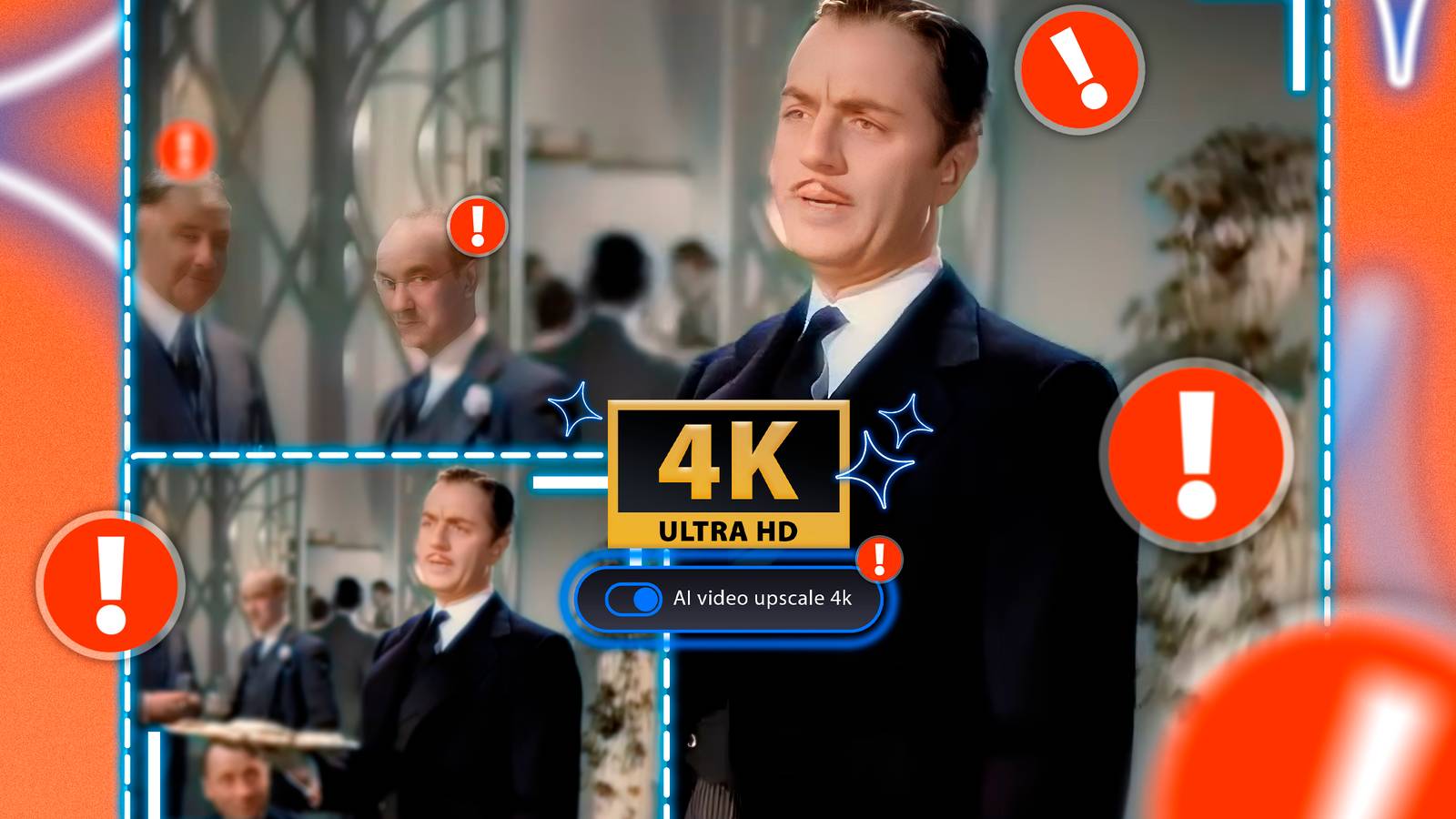
Published Sep 16, 2026, 4:15 PM EDT Sydney Butler is a technology writer with over 20 years of experience as a freelance PC technician and system builder and over a decade as a professional writer. He's worked for more than a decade in user education. On How-To Geek, he writes commerce content, guides, opinions, and specializes in editing hardware and cutting edge technology articles. Sydney started working as a freelance computer technician around the age of 13, before which he was in charge of running the computer center for his school. (He also ran LAN gaming tournaments when the teachers weren't looking!) His interests include VR, PC, Mac, gaming, 3D printing, consumer electronics, the web, and privacy. He holds a Master of Arts degree in Research Psychology with a minor in media and technology studies. His masters dissertation examined the potential for social media to spread misinformation. Outside of How-To Geek, he hosts the Online Tech Tips YouTube Channel, and writes for Online Tech Tips, Switching to Mac, and Helpdesk Geek. Sydney also writes for Expert Reviews UK. He also has bylines at 9to5Mac, 9to5Google, 9to5Toys, Tom's Hardware, MakeTechEasier, and Laptop Mag. Most people probably assume that the latest 4K Blu-ray release of a movie is the definitive version with the highest quality. It's the version that you should buy to preserve that title for yourself at the highest quality. Right? For many films, the process of creating that 4K release does more harm than good, meaning you might end up buying an inauthentic presentation of your favorite flick because AI is now entering the chat. A 4K remaster should reveal an old film, not redesign it That belongs in a museum! Credit: Lucas Gouveia/How-To Geek | Roman Samborskyi/Shutterstock What is the goal of a 4K remaster anyway? On the surface, it sounds pretty simple. A VHS tape, LaserDisc, DVD, or standard Blu-ray has a fixed amount of lines (for VHS and LaserDisc) or pixels that limit how much detail can be seen on-screen. So the goal is to increase that detail level to what 4K UHD offers. Which is about 8.3 million pixels. Four times that of a standard Blu-ray, and a silly amount of extra detail compared to older formats. Where does the extra detail come from? If the film was originally shot on actual film, then you can rescan the negatives at higher detail levels. 35mm film holds detail roughly equivalent to between 4K and 6K in digital formats. So when you remaster the movie with fresh scans, you can actually now see detail that was invisible in the original cut but was actually captured on-set. The issues arise when the original film was shot digitally. If a movie was shot in 1080p, then 1080p is the only ground-truth level of detail that film will ever have. To make the image appear sharper and more detailed, you need to use some form of upscaling process. AI upscaling has become the most advanced form of this process, but the AI is making up that extra detail from pure digital imagination, which can also sometimes include hallucinations. "True Lies," "Aliens," and shows what happens when AI starts guessing Now the humans look like aliens There's an excellent video by the YouTube channel Nerrel called AI Can Ruin Movies Now, Too - Aliens and True Lies on 4k, which uses those two titles to break down how AI upscalers are absolutely butchering movies, resulting in a 4K commercial release that is objectively worse than other lower-resolution formats. From giving actors uncanny, smooth, and waxlike skin to distorting or even hallucinating entire faces, it's shocking that any professional film editor would sign off on a final cut like this. What makes it even more egregious is that films like Aliens were indeed shot on celluloid. So there was no reason to use upscaling on a 2K intermediate master. However, doing a proper 4K version based on new film scans is expensive and time-consuming. So you're getting the cheapskate, low-effort 4K cut, and I guess they just hope no one notices. Film grain is part of the photograph, not dirt covering it The medium is the message Credit: Atria Borealis/Shutterstock.com AI is also one of the technologies used to remove film grain, although some people might call that "denoising." The thing is, film grain isn't a defect that has to be removed; it's the original texture of the medium used to make the movie. To me, it's like taking an oil painting and then treating it to look like it was made using an inkjet printer. An oil painting should look like it was made with oil-based paints, right? But even when those who remaster films argue that film grain is visual distortion that gets in the way of what the filmmaker wanted us to see, there's actually a technical reason why it can be a problem. Film grain makes it hard to compress a film because it's random and therefore gets in the way of repeatable data that can be thrown out. It's why Netflix had to invent a film grain effect. So the movie is compressed with no film grain, and then a filter is applied when it gets played back. It's a decent compromise but doesn't apply to 4K Blu-ray releases, only streamed movies. The remaster could be the only version anyone is allowed to see Credit: Lucas Gouveia/How-To Geek I have an extensive collection of DVDs and HD Blu-ray movies that I consider the versions that are worth keeping. If the original movie was not meant to have HDR and requires upscaling to hit 4K, then I might as well just let my TV or Blu-ray player do the upscaling based on that source, which is untouched by AI. The thing is, at least no one can come and mess with my discs and change the content. When it comes to streaming services like Disney, you're only likely to have access to that terrible AI-upscaled 4K version, and even when you "buy" a movie digitally, that's what you're going to get. Even the 1080p stream version will only be a downscaled stream of the butchered 4K master. I hate that I need to carefully check how a 4K movie was mastered before spending any money on it, but that's the world we live in now.
4K remasters have an AI problem, and it's destroying the history of film
Full Article
Original Source
Read the full article at Howtogeek →KhanList aggregates and links to publicly available news content. We do not host full articles from third-party sources. Always verify important information with original sources.