
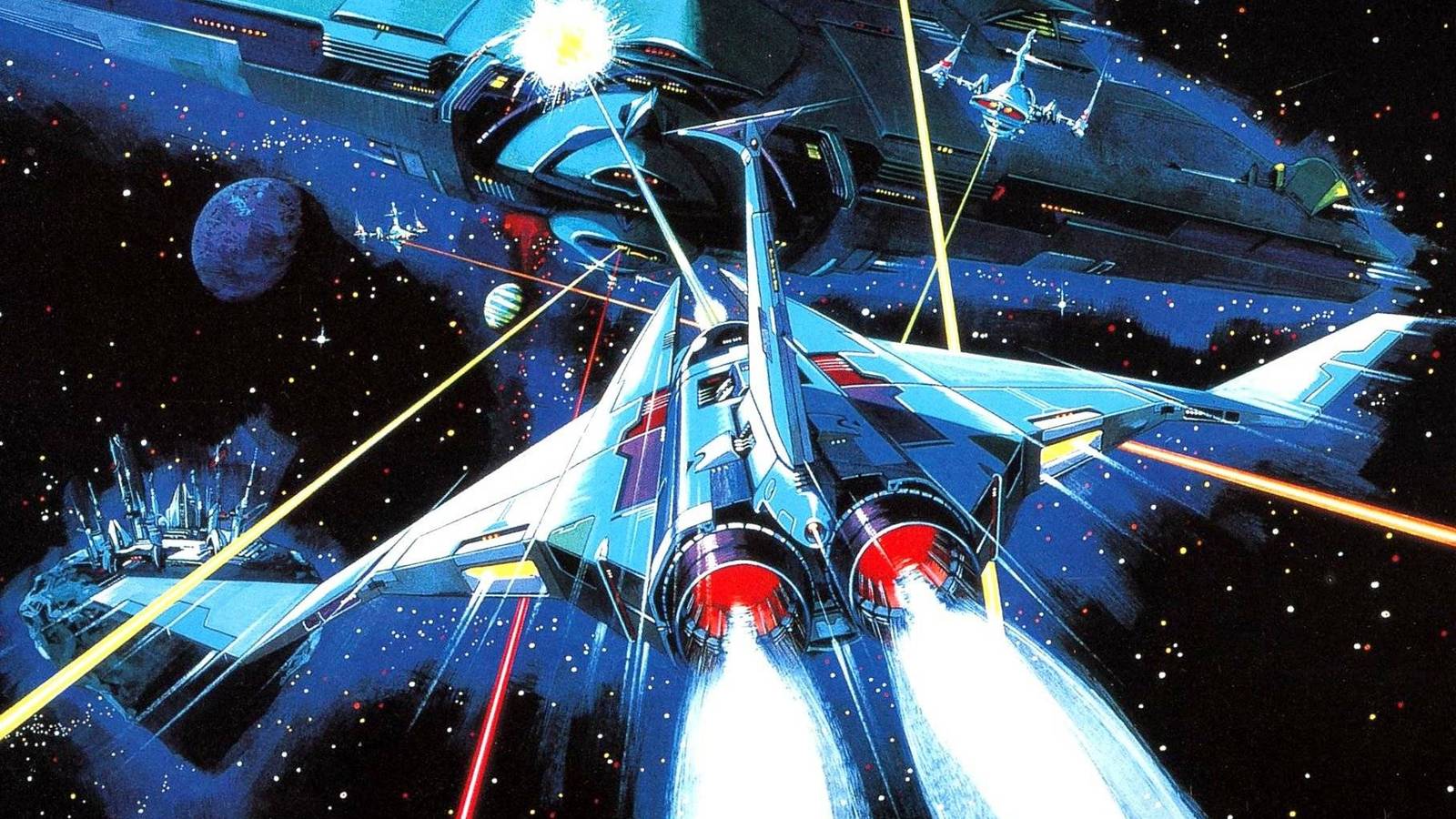
Published Sep 16, 2026, 4:00 PM EDT Ben Brosofsky has been writing for Screen Rant since 2022 and editing since 2024. He graduated from Vanderbilt University with a Bachelor's in Cinema & Media Arts. Writing serves as a much-needed distraction from tackling a backlog of Steam games that will never be surmounted. The Nintendo Entertainment System was the birth of many iconic gameplay concepts and game franchises, but a large portion of the console's library can feel fairly rudimentary today. That's not a bad thing — simplicity can be good, and the NES was still light years ahead of systems like the Atari 2600 — but arcade games from the same time often feel more impressive in execution. Some NES games, though, suffer from no side effects of aging. The most forward-thinking titles pushed the systems to its limits and executed concepts that didn't become standardized until years later, earning a place as maverick experiences in video game history. Gradius Gradius released fairly early in the NES lifespan, debuting in arcades in 1985 before making its way to the home console in 1986. By how much this game accomplished, though, you'd expect it to have come along a little later on. Like any home port of the era, Gradius makes certain compromises compared to the arcade version, but it manages to be impressively faithful overall. Detailed art recaptures the expressive sprites of the original game despite having fewer pixels and colors to work with, and it keeps up the pace of the arcade gameplay. Gradius also helped to codify some design elements that came to define the shoot-em-up genre, from a complex upgrade system to a succession of unique level bosses. To cap things off, it was the very first game to include the iconic Konami Code, solidifying its place as an NES game at the cutting edge. Baseball Stars Modern sports games have started to sag beneath the weight of microtransactions, but when people wax nostalgic for a past age of the genre, they usually think back to 3D titles for systems like the PS2 or Xbox 360. One 1980s game that has stood the test of time, however, is Baseball Stars. Released in 1989, Baseball Stars revolutionized the baseball game world by including a battery save and running with the functionality that it introduced. Rather than simply going head-to-head in relatively disconnected matches, Baseball Stars allows players to create custom teams and track stats across the course of seasons. In many ways, Baseball Stars is one of the core templates for the more complex side of sports games that followed, and it's still fun to play today. As the perfect balance between cartoon charm and sophisticated systems, Baseball Stars was a true trailblazer in its field. The Legend of Zelda It's genuinely difficult to imagine what games would look like today if The Legend of Zelda had never released. While many aspects of the action-adventure formula would have inevitably arrived with or without Zelda's influence, it helped codify them in a compelling package that influenced generations of games to come. Titles like Adventure featured precursors to The Legend of Zelda's dungeon crawls, but the overworld adventure reached heights that still feel mind-boggling for a game that released in 1986 (in Japan). Long before the modern open-world craze, Zelda also packed non-linear exploration into an NES cartridge, giving it a sense of scope and freedom that lays the groundwork for distant successors like Breath of the Wild. The Legend of Zelda's cryptic nature can admittedly make it frustrating to play today, at least if you're more attached to the redefined franchise formula established in A Link to the Past. It still feels monumental in nature, though, and it remains an untouchable achievement for its era. Super Mario Bros. 3 The original Super Mario Bros. was undeniably ahead of its time, delivering a well-crafted and fundamentally timeless platforming experience that continues to define the core design of the series today. Super Mario Bros. 3, however, managed to leave it in the dust, showing just how much the NES was capable of toward the end of its lifespan. Across the board, Super Mario Bros. 3 took everything to the next level. Character sprites are far more detailed and expressive, the world map offers more ways to progress, and a huge array of power-ups expands the platforming experience in new creative directions. It also pulled far more hardware tricks out of its hat. Like Super Mario Bros. 2, the game can scroll to the left as well as the right, and it uses sampling for some drum sounds rather than relying exclusively on synths. Decades later, Super Mario Bros. 3 is still one of the best entries in a series that has delivered consistent excellence. After the brutal difficulty of the Japanese Super Mario Bros. 2 and the curveball of the American Super Mario Bros. 2, Super Mario Bros. 3 defined the future of Super Mario without missing a beat. While you can also play a Super Nintendo version found in Super Mario Bros. All-Stars, the NES original holds its own to this day. Date Founded September 23, 1889 CEO Satoru Iwata Parent Company Nintendo Subsidiaries Nintendo EPD, Nintendo SPD, Nintendo EAD Consoles Nintendo DS, Nintendo 3DS, Nintendo Wii, Nintendo Switch, Nintendo GameCube, Nintendo 64, Super Nintendo Entertainment System, Nintendo Entertainment System, Nintendo Wii U, Nintendo Game Boy, Nintendo Game Boy Color, Nintendo Game Boy Advance, Nintendo Switch Lite Services Nintendo Switch Online
4 10/10 NES Games That Were Way Ahead Of Their Time
Full Article
Original Source
Read the full article at Screenrant →KhanList aggregates and links to publicly available news content. We do not host full articles from third-party sources. Always verify important information with original sources.