
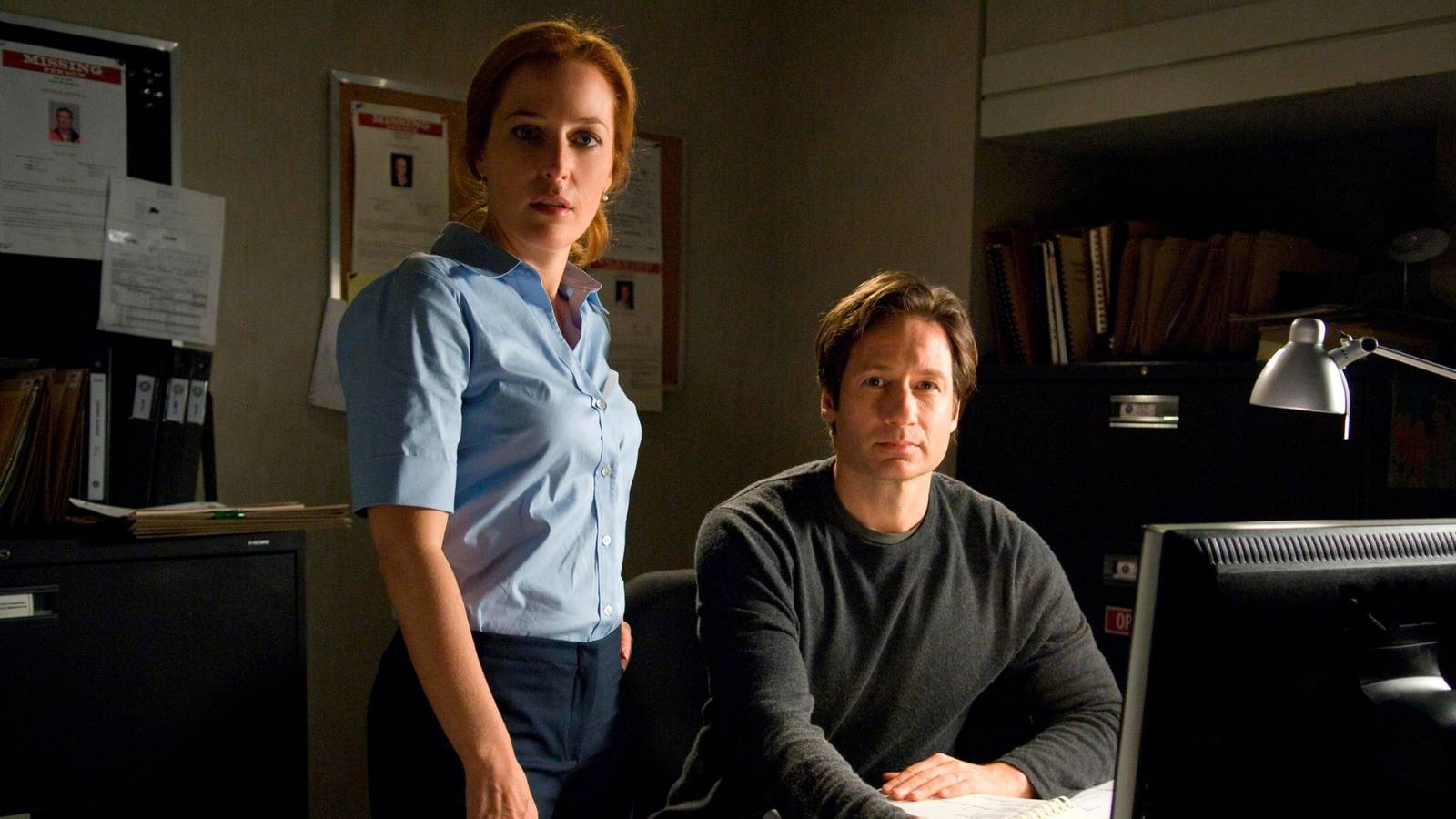
Published Nov 10, 2026, 6:00 PM EST Faith Roswell is a Senior Writer on Screen Rant's Classic TV team. Since earning her degree in Creative Writing over a decade ago, Faith has written articles on film and TV from a variety of different angles. Faith now combines her knowledge of psychology with her love of monster movies to give more insight into what makes the best ones. You may have read her Screen Rant lists and features covering horror, sci-fi, and fantasy, or read her Amazon Top 10 book, "Movie Monsters of the Deep." Faith has had an extensive career as a writer, appearing on BBC live radio, researching true crime for Rotten Mango podcast, and writing for publications including Mental Floss, Atlas Obscura, and The Daily Jaws before beginning here at Screen Rant. The X-Files' impact on both the sci-fi genre and culture is arguably second only to that of Star Trek. Through Dana Scully, "The Scully Effect" encouraged more women to pursue careers in the sciences, while the iconic 90s sci-fi series popularized the monster-of-the-week format, which inspired later TV shows like Warehouse 13 and Supernatural. The X-Files' classic episodes were never predictable, but viewers knew to expect a lineup of monsters, mutants, out-of-control computers, and other paranormal phenomena with every season, until one season 3 episode expanded The X-Files' scope with two words. The fourth episode of The X-Files' season 3 sees Mulder and Scully investigating a string of gory murders targeting psychics, when they come across the tormented Clyde Bruckman, who claims that he can see how everyone he ever meets will die. The premise initially sounded fairly standard for The X-Files, but the episode, "Clyde Bruckman's Final Repose," contained a shocking twist. After Scully spends the episode trying to debunk Clyde's psychic powers, curiosity gets the better of her, and she asks him how she will die. Clyde responds, "you don't." The line turned the series into an existential and spiritual mystery that had viewers discussing its implications for years afterward, even after The X-Files continued with its monster-of-the-week format for some time afterward. This moment, and the standout acting and directing kept "Clyde Bruckman's Final Repose" among the best X-Files episodes of all time, and the line's eventual payoff completed a four-year masterclass in suspense. Clyde Bruckman's Final Repose Is Still One Of The X-Files' Best All-Time Episodes According to IMDb, "Clyde Bruckman's Final Repose" is The X-Files' top-rated episode, earning a 9.2/10 mark, and it attracted an audience of 15.38 million viewers. A few episodes of the show have not aged well, but "Clyde Bruckman's Final Repose" is still among the X-Files episodes that are considered masterpieces today. Written by Darin Morgan and directed by David Nutter, who would later go on to win an Emmy Award for Game of Thrones, the episode is extremely dark, verging into film noir territory, and many of the references are hidden tributes to cinema's silent film era. The genius of the episode is not just in the plot, but the way Mulder and Scully are developed further as characters in ways that are not easy to achieve within a monster-of-the-week format. While remaining the show's skeptic, Scully has previously been sensitive to influence by psychics, with "Beyond the Sea" flipping her and Mulder's roles in the show. Now, she remains unconvinced by the psychic aspect but sees Clyde as a tragic and human figure, which allows her to set aside the cold and scientific demeanor she sometimes puts on, while Mulder treats him as a case study. "Clyde Bruckman's Final Repose" won The X-Files two Emmy Awards. Darin Morgan won Outstanding Writing in a Drama Series, while Peter Boyle (Clyde) won Outstanding Guest Actor in a Drama Series. The episode is full of tiny unpredictable scenes and surprises for viewers, introducing a dark comedy moment when Clyde heavily implies that Mulder will die during a sexual mishap, but it was Clyde's line to Scully that reportedly sent fans into a frenzy, with the "Immortal Dana Scully" theory being the inevitable result. It is a testament to the quality of the episode that it is remembered for so many factors, from the acting to the heartbreaking ending, despite delivering the line that changed The X-Files, even though this line was later revealed to be a misunderstanding. What Clyde's Words To Scully Really Mean Four years after Clyde Bruckman appeared to confirm Scully's immortality, the season 6 episode "Tithonus" reinforced this by having her survive against impossible odds. While investigating Alfred Fellig, a seemingly-immortal photographer on a mission to photograph Death, Scully is shot, yet Fellig takes her place. By this time, The X-Files had already begun making references to events in earlier seasons, tying its mythology together as the show moved away from the monster-of-the-week approach, and expanding its universe. However, this reference may not have been made had it not been for Clyde's line originally being misinterpreted. Chris Carter's Reddit AMA thread sees a fan ask him if Scully really is immortal, getting the reply, "Yes, it said so right in the show," but Darin Morgan has repeatedly explained that he had meant this line as a way for Clyde to be kind to Scully, knowing how she died, yet denying that she would. He told TVLine, "that was not my intention. That was something fans went crazy with — and they're free to go as crazy as they want." Immortal Scully or not, "Clyde Bruckman's Final Repose" remains one of The X-Files' must-watch episodes. Source: TVLine The X-Files 8/10 Release Date 1993 - 2018-00-00 Network FOX Cast David Duchovny Fox Mulder
31 Years Later, The Line That Changed The X-Files Is Still A Work Of Genius
Full Article
Original Source
Read the full article at Screenrant →KhanList aggregates and links to publicly available news content. We do not host full articles from third-party sources. Always verify important information with original sources.