
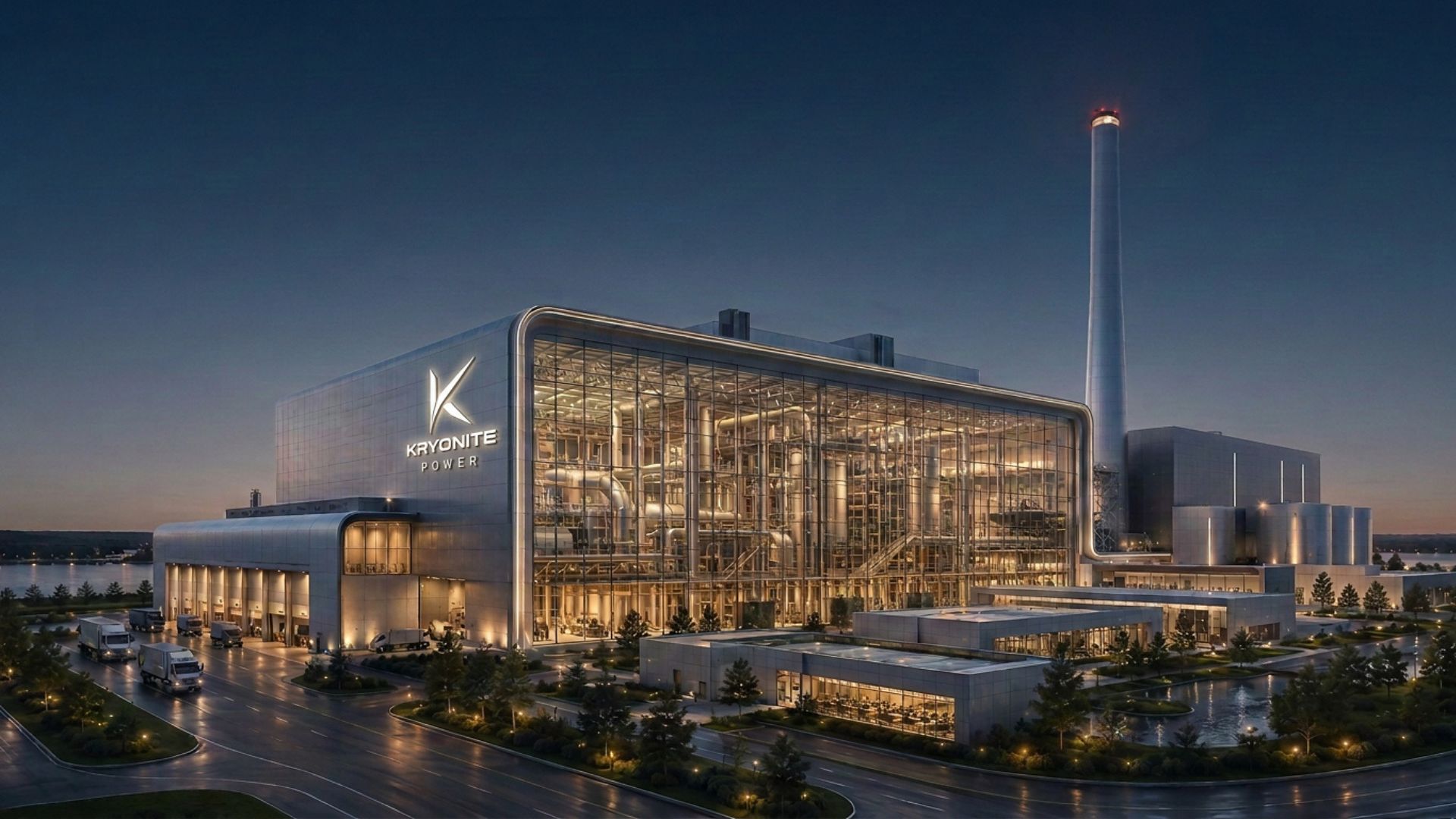
Could the growing amount of waste be converted into energy? Recently, Kryonite Power has started talks with Los Angeles and San Diego to implement its waste-to-energy conversion systems. Every single day, the Golden State buries over 110,000 tons of garbage underground, which comes down to 40 million tons of material annually. Once buried, that trash festers into toxic methane and corrosive leachate, triggering environmental nightmares like the ongoing disaster at LA County’s Chiquita Canyon Landfill. A heat-releasing chemical reaction has been smoldering deep inside an inactive section of the Chiquita Canyon Landfill since early 2022. This underground reaction continues to break down buried waste at extreme temperatures. As a result, massive amounts of noxious gases escape from the site and drift into nearby neighborhoods. Surrounding residents face constant foul odors that have triggered thousands of official complaints to local regulators. Yet right beside this growing mountain of waste sits another massive issue: a tech-fueled hunger for electricity. Driven by artificial intelligence and expanding data centers, California’s energy demand is skyrocketing toward a projected 4,500 megawatts by 2040 (compared to 1,000 megawatts today). However, it turns out treating these two crises separately is a mistake. The company announced it has initiated early-stage talks with municipal leaders in Los Angeles and San Diego. Their proposal is straightforward: process raw urban waste and transform it into reliable, continuous electricity. “We believe California has been looking at two problems separately when they should be considered together,” said Lars Carlstrom, Founder of Kryonite Power. “Millions of tons of waste are being buried while California needs more reliable energy. We believe it is time to stop burying the problem and start turning it into a solution.” The need for power The offer lands right as California officials face a pressing dilemma. Conventional landfills are environmental disaster sites waiting to happen. These require decades of expensive monitoring, remediation, and community fallout management long after the last dump truck leaves. Meanwhile, tech giants and industrial operations are actively hunting for new power sources to run massive server farms. Intermittent renewables like solar and wind help, but cannot provide the uninterrupted baseload energy modern data infrastructure requires. Kryonite Power targets three primary operational areas for its technology. First, the company plans to intercept waste streams at active landfills before trash goes underground. Second, it aims to route municipal waste directly into specialized conversion plants during daily city collections. Finally, the system provides localized electricity generation to meet the heavy energy needs of data centers and industrial facilities. Waste-to-energy platform As per its website, the firm provides a scalable infrastructure platform. Built on a standardized engineering design and procurement strategy, each unit scales easily to match local waste volumes, grid requirements, and regional market needs. For instance, the KPAX 250 belongs to a regional design class that can process 250,000 tons of waste per year. Built to serve entire counties or metropolitan clusters, this facility delivers a generation capacity of 20–30 MW in continuous electrical output. It provides a scalable energy solution for mid-to-large urban regions through the conversion of large municipal waste streams into steady power. It is an ambitious pitch. Waste-to-energy technologies typically face political, environmental, and financial hurdles before getting off the ground. Still, with cities running out of landfill space and power grids straining under the weight of the digital revolution, local officials may be more willing than ever to test whether California’s garbage can power its technological future. Get the latest in engineering, tech, space & science - delivered daily to your inbox.Mrigakshi is a science journalist who enjoys writing about space exploration, biology, and technological innovations. Her work has been featured in well-known publications including Nature India, Supercluster, The Weather Channel and Astronomy magazine. If you have pitches in mind, please do not hesitate to email her.
250,000 tons of waste could be annually turned into power for California’s data centers
Full Article
Original Source
Read the full article at Interestingengineering →KhanList aggregates and links to publicly available news content. We do not host full articles from third-party sources. Always verify important information with original sources.