
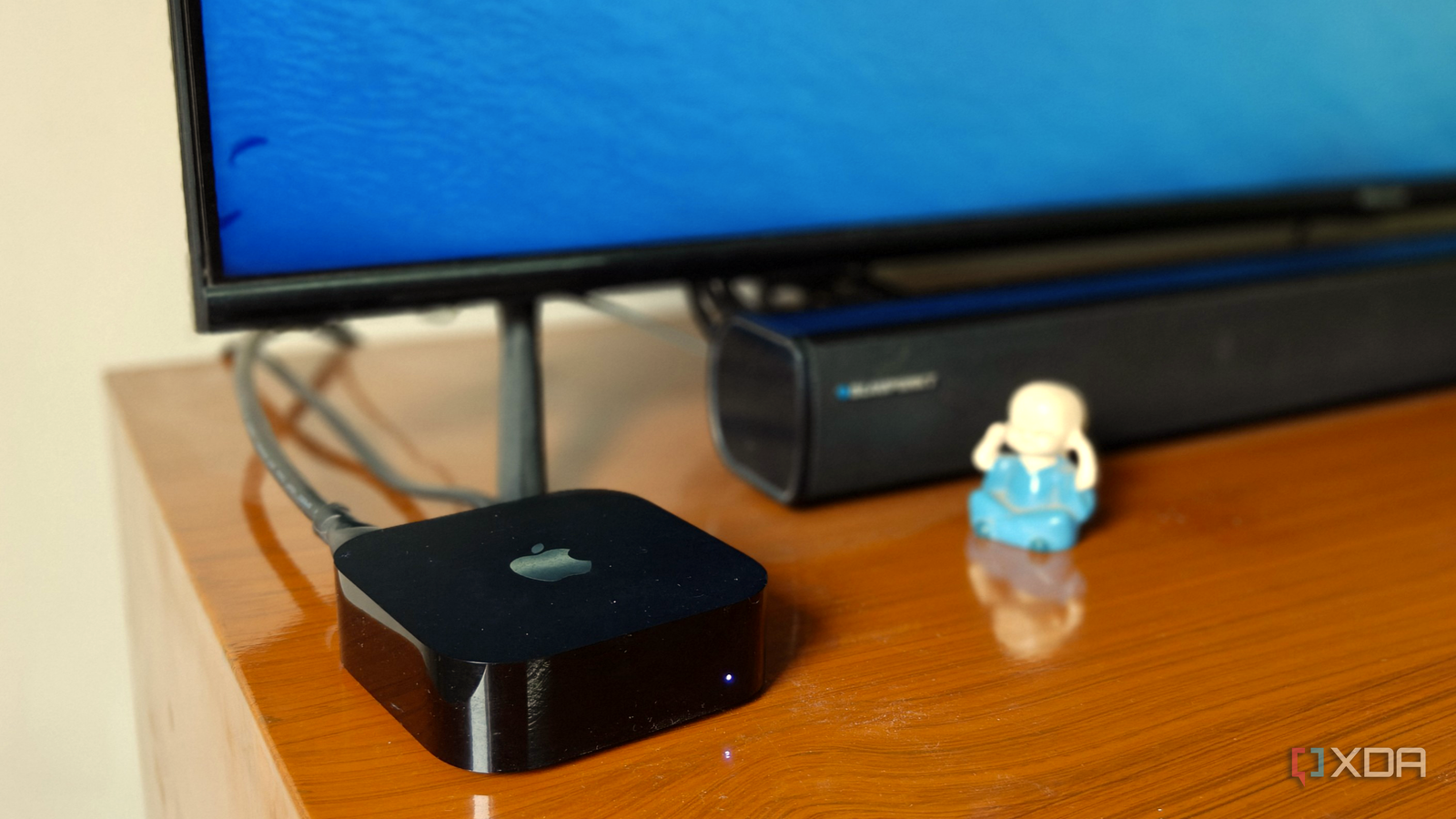
Published Sep 13, 2026, 8:30 AM EDT After a 7-year corporate stint, Tanveer found his love for writing and tech too much to resist. An MBA in Marketing and the owner of a PC building business, he writes on PC hardware, technology, and Windows. When not scouring the web for ideas, he can be found building PCs, watching anime, or playing Smash Karts on his RTX 3080 (sigh). An enjoyable home theater setup, at least for discerning users, hinges on the audio quality. No matter what panel your TV has, you can't get the most out of your setup without high-quality surround sound. To ensure you're not losing most of the audio data when streaming lossless audio formats, every link in the chain needs to play its part. And your streaming box can often be the hidden culprit behind subpar surround sound. The spec that you won't find listed is the audio decoding behavior of your streaming box. Depending on whether the box is doing the heavy lifting of processing the incoming audio or letting your TV, soundbar, or audio receiver do it instead, your surround sound experience can vary drastically. "Dolby Atmos supported" doesn't mean much by itself It has become a meaningless marketing term Modern streaming boxes advertise features like 4K HDR and Dolby Atmos, but the latter doesn't tell you anything about the actual audio architecture of the box you're buying. Even if your streaming box/stick supports lossless formats like Dolby Atmos or DTS:X, you don't know the mechanism of how they process them. You also need to be aware that commercial streaming apps like Netflix use Dolby Digital Plus, a lossy, compressed format used to deliver Dolby Atmos audio to your screen. Even if your streaming box decodes it perfectly, it won't sound nearly as good as true lossless Dolby Atmos, which requires Dolby TrueHD or DTS-HD. Then, your TV or soundbar needs the necessary multichannel capability to output surround sound. Most soundbars don't have the chops to handle true lossless surround sound. They're only good for stereo sound or "fake" surround sound using simulated 3D audio. You not only need the right streaming box, but also premium speakers or an audio receiver to actually experience true surround sound. Native decoding vs. bitsream/passthrough It can be hard to distinguish on the product page Let's say your home theater is fully equipped to process lossless surround sound, and it only needs the right streaming box to complete the chain. Well, you need to know whether your streaming box decodes Dolby Atmos natively or uses audio passthrough to route it, unchanged, to the next device in line, be it your TV, soundbar, or AV receiver. This can legitimately affect your buying decision. Consider a premium streaming box like the Apple TV 4K (3rd gen). It decodes incoming Dolby Atmos audio from streaming apps into a Multichannel LPCM stream (5.1 or 7.1 surround), and sends it to your audio output. This is fine for mainstream apps like Netflix, but it strips a lot of spatial data when decoding lossless formats like Dolby TrueHD. What you get, in this scenario, is traditional 7.1 surround sound, missing the overhead audio of true Dolby Atmos. On the other hand, streaming boxes that support true passthrough, like the Nvidia Shield TV Pro, allow your AV receiver or soundbar to process the uncompressed audio you get when streaming local Blu-ray remuxes. This distinction is rarely clear on the product page when you're buying a streaming box for your home setup. You need to pick your streaming device based on your existing setup The right tool for the job If you don't really care about local media streaming and spend most of your time on commercial streaming apps, then an Apple TV 4K or Fire TV Stick 4K/Max is good enough. It decodes incoming Dolby Digital Plus from apps like Netflix, and enables a compatible audio setup to output traditional 5.1 or 7.1 surround sound. It works for most people, but it isn't close to true lossless surround sound. If most of your media consumption is from local Blu-ray files with high-bitrate Dolby TrueHD or DTS:X audio, you'll need the Nvidia Shield TV Pro, RockTek GX1, or pricier options like the Dune HD Homatics Box R 4K Plus. These streaming boxes support true passthrough for lossless audio, routing a high-quality audio stream to your premium soundbar or AV receiver. Nvidia Shield TV Pro The Nvidia Shield TV Pro costs $50 more than the regular model but it comes with some additional features to add more value to the overall package. Lossless audio doesn't work without the right audio architecture While "Dolby Atmos" is thrown around loosely in streaming hardware marketing, it needs the right hardware and software for proper surround sound. Your streaming box needs to support Dolby TrueHD or DTS:X passthrough, so that your soundbar, speakers, or AV receiver can properly process it. Most streaming boxes don't support this feature, delivering only a subpar surround sound experience.
Your surround sound depends on one streaming box spec that nobody lists
Full Article
Original Source
Read the full article at Xda-developers →KhanList aggregates and links to publicly available news content. We do not host full articles from third-party sources. Always verify important information with original sources.