
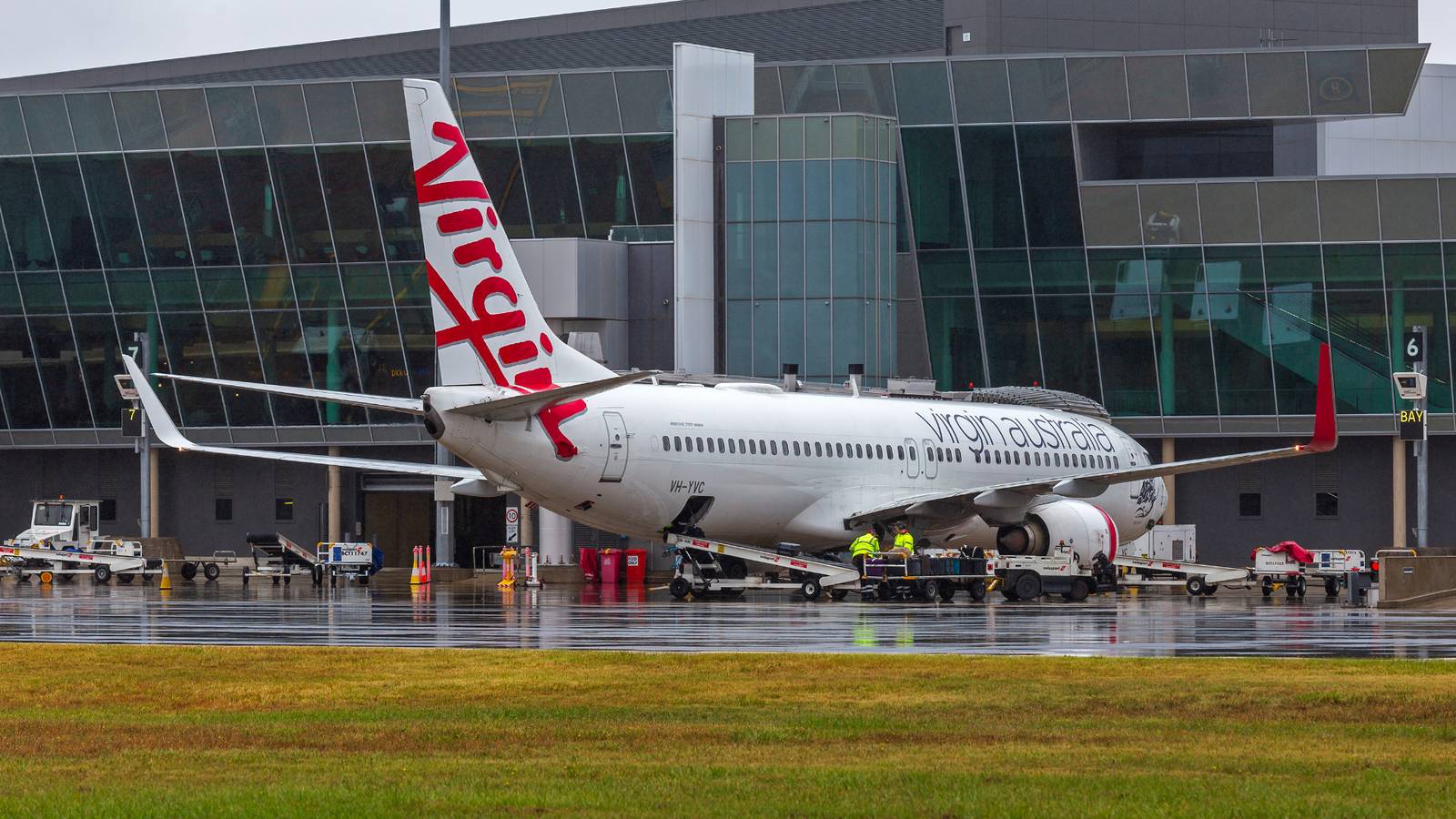
Published Nov 20, 2026, 3:05 PM EST Experienced ICAO English Language Proficiency Instructor for pilots and ATCOs and conference interpreter who is passionate about facilitating effective communication within aviation-related businesses. Possess a deep understanding of the aviation industry, including aviation regulations, terminology, and industry-specific communication protocols. Has been working at numerous airshows across Europe since 2014. Being an ultralight pilot in her free time, she also promotes safety and efficiency in aviation operations. Based in Italy and Malta Two Virgin Australia pilots declared themselves unfit to continue flying after fatigue set in during a domestic flight from Melbourne Airport (MEL) to Adelaide Airport (ADL) on November 18, 2026. Both crew members requested to be stood down upon reaching their destination. The aircraft landed safely at Adelaide Airport, after which the pilots were immediately removed from further flying duties. The incident highlights the importance of fatigue management in commercial aviation, where pilots must recognize when tiredness could compromise their ability to operate an aircraft safely. Although the flight itself was completed without incident, the decision to remove both pilots raises broader questions about crew scheduling, rest periods, and the challenges of managing fatigue across Australia's airline industry. Virgin Australia's response also shows why self-reporting remains essential to aviation safety. Both Pilots Reported Fatigue During Flight VA219 According to AIRLIVE, the incident occurred aboard Virgin Australia flight VA219 on Wednesday morning. The Boeing 737-800, registered VH-VUX, was operating a domestic service between Melbourne and Adelaide when both pilots reported fatigue. Rather than continue their planned duties, the flight crew requested to be stood down at their next destination. The aircraft continued to Adelaide and completed its journey safely, touching down at 11:05 local time. The flight had departed Melbourne about an hour earlier, following the aircraft's previous operation of flight VA814 from Sydney to Melbourne earlier that morning. Once in Adelaide, both pilots were immediately offloaded, preventing them from operating any subsequent flight sectors until they were considered fit to return to duty. The decision followed Virgin Australia's fatigue risk management procedures, which allow pilots to report when tiredness affects their ability to perform their responsibilities safely. Importantly, declaring oneself unfit to fly is not an admission of wrongdoing. It is a safety measure designed to prevent potentially impaired crew members from continuing operations. Fatigue Has Previously Raised Concerns In Australia Credit: Eigenblau | Shutterstock This is not the first time fatigue management has attracted attention at Virgin Australia. In May 2024, The Guardian reported that senior pilots had raised concerns about the airline's rostering arrangements, arguing that demanding schedules were contributing to fatigue across the pilot workforce. Correspondence reviewed by the newspaper highlighted concerns about consecutive long duty days, sometimes lasting 11–12 hours, followed by the minimum 12-hour rest period permitted under the applicable rules. The pilots also questioned the airline's rostering software and its ability to accommodate operational realities, particularly when flights were delayed. Virgin Australia responded at the time by saying it operated under a robust fatigue management system approved by the Civil Aviation Safety Authority (CASA). The airline also highlighted that its pilots received 156 rostered days off annually. Although those earlier concerns do not establish the cause of the November 2026 report, they illustrate how crew scheduling and fatigue have remained important topics within the airline. Fatigue is also a concern beyond the flight deck. In October 2026, ABC News reported on an Australian Transport Safety Bureau (ATSB) investigation into a taxiway incident at Sydney Airport (SYD) involving Virgin Australia flight VA1589 and Qantas flight QF420. An air traffic controller working during the incident had a high predicted fatigue risk after being rostered to finish at 8:50 PM and return to duty at 5:30 AM the following morning. The ATSB stressed that a high predicted fatigue level does not necessarily mean an individual is actually fatigued. Nevertheless, the case demonstrates how demanding schedules can affect safety-critical aviation personnel across different operational environments. Why Removing Fatigued Pilots Is The Right Decision Credit: Andrey_Popov | Shutterstock Fatigue can significantly affect a pilot's concentration, reaction time, memory, and decision-making under pressure. According to the US Federal Aviation Administration (FAA), tiredness can reduce the ability to perform tasks requiring manual coordination, vigilance, and higher-level cognitive processing. These effects can develop after a single demanding period or accumulate over several days of insufficient rest. The consequences can be particularly serious in commercial aviation, where pilots must continuously monitor aircraft systems, communicate with air traffic control, assess changing weather conditions, and respond to unexpected situations. Even experienced flight crew members are not immune to these effects. The FAA also notes that coffee, medication, motivation, and willpower cannot overcome fatigue; adequate sleep remains the most effective solution. Virgin Australia's decision to remove both pilots from further duties should be viewed positively. Allowing fatigued crew members to keep flying just to avoid disruption would create an unnecessary safety risk for passengers, other crew members, and everyone involved in the operation. While replacing pilots can create scheduling complications and potentially delay subsequent services, those considerations must remain secondary to operational safety. This incident demonstrates an important principle of commercial aviation: a flight is only safe when its crew members are fit to perform their duties. By allowing both pilots to report their condition and immediately standing them down after arrival, Virgin Australia followed the appropriate safety-first approach.
2 Virgin Australia Pilots Admit They’re Too Tired To Continue Flying, Immediately Offloaded
Full Article
Original Source
Read the full article at Simpleflying →KhanList aggregates and links to publicly available news content. We do not host full articles from third-party sources. Always verify important information with original sources.