
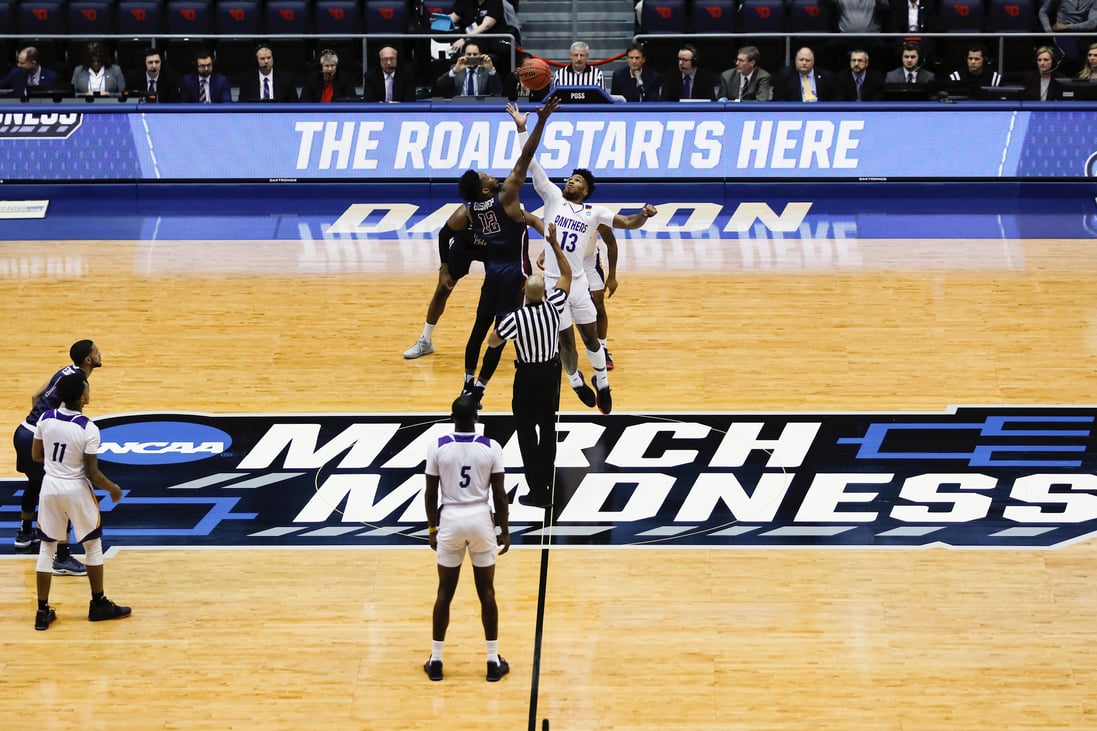
Because the NCAA is not a unique labor market, antitrust lawsuits under the Sherman Act cannot proceed against it.DENVER (CN) — College athletes challenging the NCAA’s new eligibility rule cannot compete in the coming season after the 10th Circuit reversed a lower court ruling granting them eligibility.A three-judge panel ruled Friday that the NCAA is not a unique labor market, defeating the antitrust claims under the Sherman Act.“To the extent the district court’s decision hinges on a finding that the NCAA is the relevant employer for purposes of defining the market, that finding is clearly erroneous,” U.S. Circuit Judge Carolyn B. McHugh wrote of the July temporary restraining order that granted some athletes a fifth year.The court defined a labor market as a network of employers whose workers are considered “reasonably good substitutes,” meaning any worker could make money working for any employer. Because the NCAA does not employ students as athletes and not all universities offer the same sports, the court found that no such market exists.“Even treating the universities as the employers and discounting any competition from professional sports organizations, however, we are not convinced the market can be defined as all Division I athletics in the United States,” wrote McHugh, a Barack Obama appointee.In June 2026, the NCAA expanded its eligibility rule from four seasons over five years to five seasons, simplifying a system of athletic redshirting, medical hardship waivers and COVID-19 extensions.In July, a group of college athletes who had already completed four seasons filed a class action challenging the rule’s exclusion of previously eligible players. Led by University of Northern Colorado basketball player Brock Wisne, the group argued the rule illegally restrained trade in the NCAA Division I athletics labor market by denying them another year of revenue from name, image and likeness deals.After staying the preliminary injunction pending appeal, the 10th Circuit reversed, allowing the NCAA to apply its new rule to the class without exception.In trial court, the plaintiff class defined the labor market as all Division I college athletics, without distinguishing by sports or genders. The NCAA countered that not all universities and athletic programs are “reasonably good substitutes.”Of the 366 Division I universities, only 265 have football programs and 63 offer women’s gymnastics, meaning athletes in those sports could not reasonably consider every school a substitute.“These examples illustrate why individual athletic programs within a Division I university, not all NCAA university members, are ultimately the employers for purposes of market-definition analysis”Further, students are not hired by the NCAA as athletes, but sign deals with specific universities and athletic programs.The plaintiff class also argued that college athletics is a unique labor market without comparable alternatives in professional or amateur leagues. The panel disagreed, siding with NCAA economist Matthew Backus, who noted that fewer underclassmen have entered the NBA and NFL drafts since name, image and likeness deals began in 2021.Backus reasoned that athletes are staying in college longer because they can now earn money there, making Division I sports a reasonable substitute for professional leagues.Under that interpretation, the market is the larger world of sports, and college athletics itself cannot be its own market.“In the absence of a plausible market definition, the antitrust challenge to the NCAA’s failure to apply the new rule retroactively cannot proceed to the next analytical steps of the rule of reason,” McHugh wrote.Neither side has replied to a request for comment.Subscribe to our free newslettersOur weekly newsletter Closing Arguments offers the latest about ongoing trials, major litigation and rulings in courthouses around the U.S. and the world, while the monthly Under the Lights dishes the legal dirt from Hollywood, sports, Big Tech and the arts.Additional Reads
10th Circuit curtails eligibility for NCAA athletes
Full Article
Original Source
Read the full article at Courthousenews →KhanList aggregates and links to publicly available news content. We do not host full articles from third-party sources. Always verify important information with original sources.