
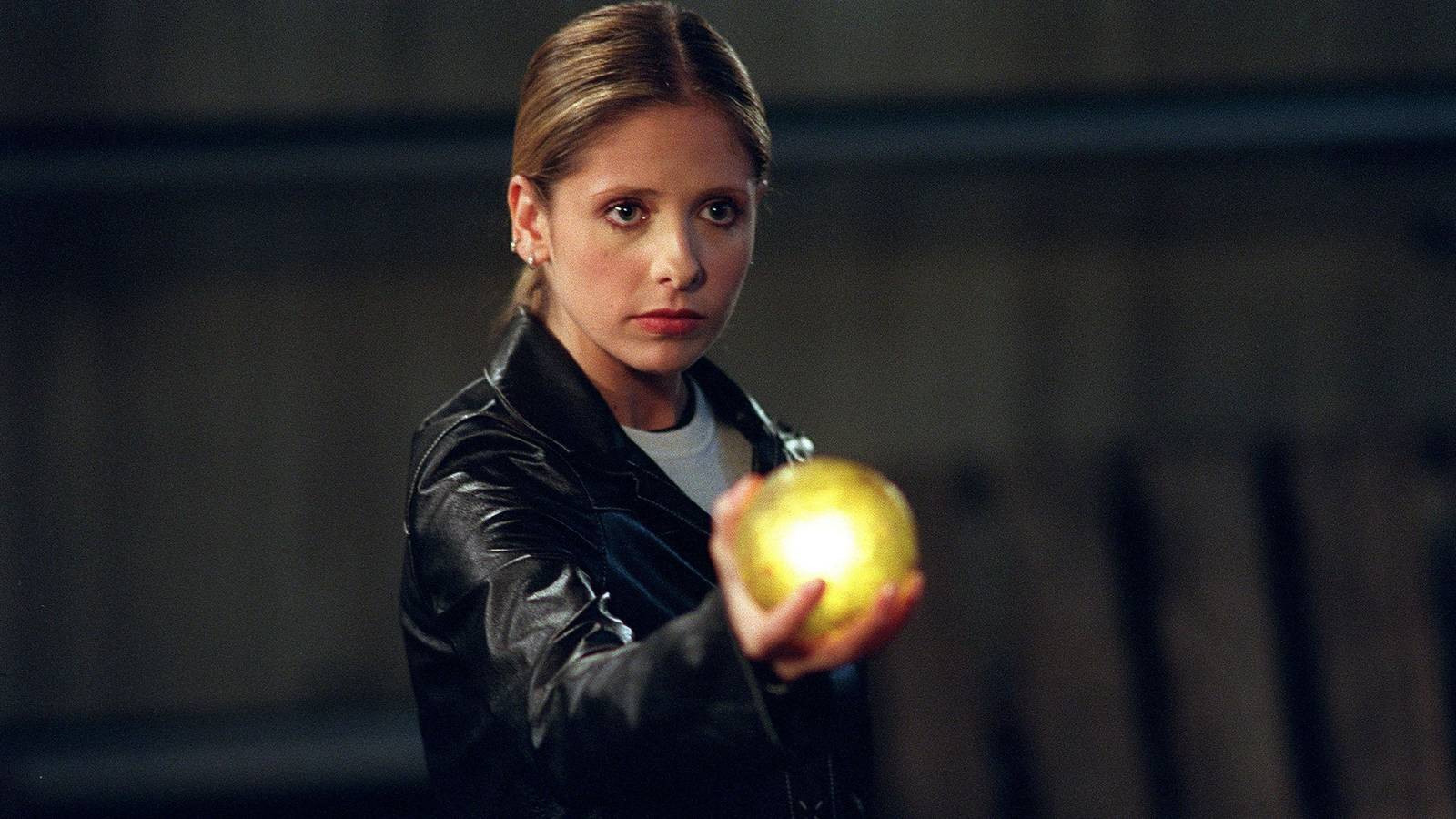
Some of Buffy the Vampire Slayer's best episodes rarely receive the same attention as the classics. Episodes like "Hush," "The Body," "Once More, with Feeling," or "The Gift,” frequently top rankings and Buffy discourses. While those installments deserve their reputations, the series' seven-season run is packed with outstanding episodes that often get overshadowed by the show's most famous achievements. Part of what made Buffy such a landmark television series was its willingness to experiment. One week could deliver horror, another comedy, and the next a devastating character study. As a result, many excellent episodes have slipped through the cracks of fan discussions despite offering some of tBuffy the Vampire Slayer's sharpest writing, strongest performances, or most important character development. The episodes on this list aren't necessarily hidden gems (most longtime fans know them well) but they rarely appear in conversations about the greatest episodes Buffy the Vampire Slayer ever produced. It’s a shame because many of them contain defining moments for Buffy Summers, Spike, Willow, Xander, and the rest of the Scooby Gang. From hilarious reality-bending comedies to emotionally devastating explorations of trauma, these episodes demonstrate why Buffy the Vampire Slayer remains one of television's most consistently inventive and rewarding series. Season 7, Episode 18 "Dirty Girls" "Dirty Girls" is often remembered primarily for introducing the imposing Caleb, but it deserves far more recognition as one of the most effective late-series Buffy episodes. Nathan Fillion immediately establishes Caleb as one of Buffy's most terrifying opponents, using charm, religious rhetoric, and shocking violence in equal measure. The episode completely changes the direction of season 7. Buffy confidently leads the Potential Slayers into battle, only to suffer one of the worst defeats of her career. Caleb blinds Xander, while the massacre at the vineyard destroys the group's confidence. “Dirty Girls” is so effective because it refuses to give Buffy an easy victory. After years of increasingly powerful enemies, Caleb feels genuinely dangerous. The episode also marks Faith's return to Sunnydale, adding another layer of tension just as Buffy's authority begins to unravel. Season 1, Episode 10 "Nightmares" Season 1 is often dismissed as the show's weakest year, but "Nightmares" demonstrates how quickly Buffy found its voice. The premise sees everyone's worst fears begin manifesting in reality thanks to a traumatized child trapped in a coma. "Nightmares” uses horror concepts to reveal crucial character details. It accurately dismantles Willow’s insecurities, Xander’s childishness, and Buffy’s fear of failing as the Slayer. A memorable sequence sees Buffy transformed into a vampire, while the deeply human climax is one of the most touching and tragic in Buffy history. "Nightmares” is an early example of the series using supernatural threats to explore genuine emotional anxieties. Season 2, Episode 16 "Bewitched, Bothered, and Bewildered" One of the funniest episodes in the entire Buffy the Vampire Slayer, "Bewitched, Bothered, and Bewildered" gives Xander an unusual starring role. After Cordelia breaks up with him, Xander asks Amy to cast a love spell to win her back. Predictably, everything goes horribly wrong. Instead of affecting Cordelia, the spell causes every other woman in Sunnydale to become obsessed with Xander. The resulting chaos allows the cast to flaunt their comedic talents, particularly Sarah Michelle Gellar, whose aggressively flirtatious Buffy is both hilarious and unsettling. The episode also gives Cordelia valuable development. While the comedy dominates most discussions, Cordelia's decision to stand by Xander despite pressure from her friends highlights how much she has matured since season 1. It's a rare Buffy comedy episode where nearly every joke lands. Season 3, Episode 13 "The Zeppo" "The Zeppo" brilliantly continues the themes in "Bewitched, Bothered, and Bewildered," by exploring Xander’s perspective on Buffy’s world-saving activities. While Buffy, Giles, Willow, and Angel deal with an apocalyptic threat worthy of a season finale, the episode follows Xander through an entirely different adventure involving zombies, explosions, and personal growth. Every time Xander crosses paths with the main plot, viewers only glimpse fragments of dramatic scenes that would normally dominate a Buffy episode. Nicholas Brendon delivers one of his strongest performances, portraying Xander as someone tired of being the least powerful member of the group. In the end, he saves Sunnydale without supernatural abilities or recognition. It reaffirms Xander's importance to himself, but also to the audience – with Xander's lack of superpowers quickly becoming conspicuous. It's one of television's smartest deconstructions of ensemble storytelling. Season 4, Episode 8 "Pangs" Few Buffy the Vampire episodes balance comedy and social commentary as effectively as "Pangs." The story revolves around a group of Native American spirits seeking revenge on Sunnydale, leading to some of the most awkward (and funniest) conversations in the show's history. The standout element is Spike. After being captured and tied to a chair throughout most of the episode, Spike provides a running commentary on the Scoobies' increasingly uncomfortable attempts to discuss colonialism, guilt, and history. James Marsters steals nearly every scene. "Pangs” also contains the memorable image of Angel secretly watching Buffy from afar during Thanksgiving dinner, creating a surprisingly emotional subplot amid the comedy. While some aspects of its depiction of Indigenous history have attracted criticism, the episode remains one of season 4's most entertaining and quotable installments. Season 4, Episode 17 "Superstar" "Superstar" is one of Buffy's strangest episodes and one of its most inventive. Jonathan Levinson uses magic to alter reality, transforming himself into Sunnydale's greatest hero. Suddenly, the nerdy Jonathan is a martial arts expert, bestselling author, chart-topping singer, and monster hunter who seems better at everything than Buffy. The episode works because Danny Strong commits completely to the absurd premise. Every character treats Jonathan's accomplishments as perfectly normal, leaving the audience to decipher what has happened – a theme that would continue in Buffy. Beyond the comedy, "Superstar" explores Jonathan's loneliness and desperate need for validation. Those themes become especially important later when the character returns in season 6. The fake opening credits sequence remains one of the funniest visual gags in the entire series. Season 5, Episode 21 "The Weight Of The World" Overshadowed by "The Gift," "The Weight of the World" is one of Sarah Michelle Gellar's finest performances. Following Glory's kidnapping of Dawn, Buffy becomes emotionally catatonic under the weight of guilt and responsibility. The episode largely takes place inside Buffy's mind as Willow attempts to help her process her trauma. Rather than focusing on action, "The Weight of the World" examines the psychological cost of being the Slayer. Buffy has spent years saving the world, but this is one problem she cannot punch or stake into submission. Gellar's performance sells Buffy's exhaustion and despair without making the character feel passive. The episode also cleverly revisits key moments from previous seasons while exploring Buffy's complicated relationship with heroism. Without this episode, "The Gift" would not hit nearly as hard. Season 2, Episode 19 "I Only Have Eyes For You" Often overshadowed by other Angelus episodes, "I Only Have Eyes For You" contains some of the most emotionally powerful material in season 2. The story centers on the ghosts of a teacher and student whose tragic murder-suicide continues to replay throughout Sunnydale High. As the haunting intensifies, Buffy and Angel become possessed by the spirits. The twist is a brilliant mislead. Rather than forcing Buffy to relive the role of the victim, the episode casts her as the guilty party while Angel (currently in evil mode) takes the role of the wronged lover. This reversal allows the characters to confront unresolved feelings surrounding Angel's transformation into Angelus. The final scene between Gellar and David Boreanaz is devastating, offering one of the most beautiful and tragic episodes in the whole of Buffy the Vampire Slayer. Season 7, Episode 17 "Lies My Parents Told Me" Buffy season 7 often struggles with its large cast of Potential Slayers, making "Lies My Parents Told Me" a welcome return to character-focused storytelling. The episode finally explores Spike's complicated relationship with his mother through a series of flashbacks. James Marsters delivers some of his best work as viewers learn how William became Spike and how his attempt to save his dying mother ended in horror. The story also places Robin Wood at center stage. His desire to avenge his mother's death is understandable, creating a conflict where neither side is entirely wrong. Most importantly, the episode forces Buffy to make a difficult choice. Her decision to support Spike over Wood demonstrates how much her relationship with the vampire has evolved since earlier seasons. It's one of the strongest episodes of the final year that’s often overshadowed by the more bombastic entries. Season 6, Episode 5 "Life Serial" Buffy season 6 is famous for its darkness, which makes "Life Serial" such a refreshing standout. The episode follows Buffy through a disastrous series of jobs and daily challenges engineered by the Trio. Each segment escalates the absurdity. Buffy struggles in retail, repeatedly fails construction work, and becomes trapped in a time-looping test that grows increasingly frustrating. Sarah Michelle Gellar's comedic timing is exceptional throughout, particularly as Buffy's patience steadily evaporates. Beneath the humor, however, lies one of season 6's most important themes. Buffy has returned from the dead and saved the world countless times, yet she finds ordinary adult responsibilities far more overwhelming. That combination of comedy and existential dread perfectly captures what makes Buffy's oft-bemoaned season 6 unique. It's one of the funniest episodes in Buffy the Vampire Slayer, but it also contains some of its most relatable struggles. Release Date 1997 - 2003-00-00 Network The WB Showrunner Joss Whedon
10 Greatest Buffy The Vampire Slayer Episodes Nobody Talks About
Full Article
Original Source
Read the full article at Screenrant →KhanList aggregates and links to publicly available news content. We do not host full articles from third-party sources. Always verify important information with original sources.