
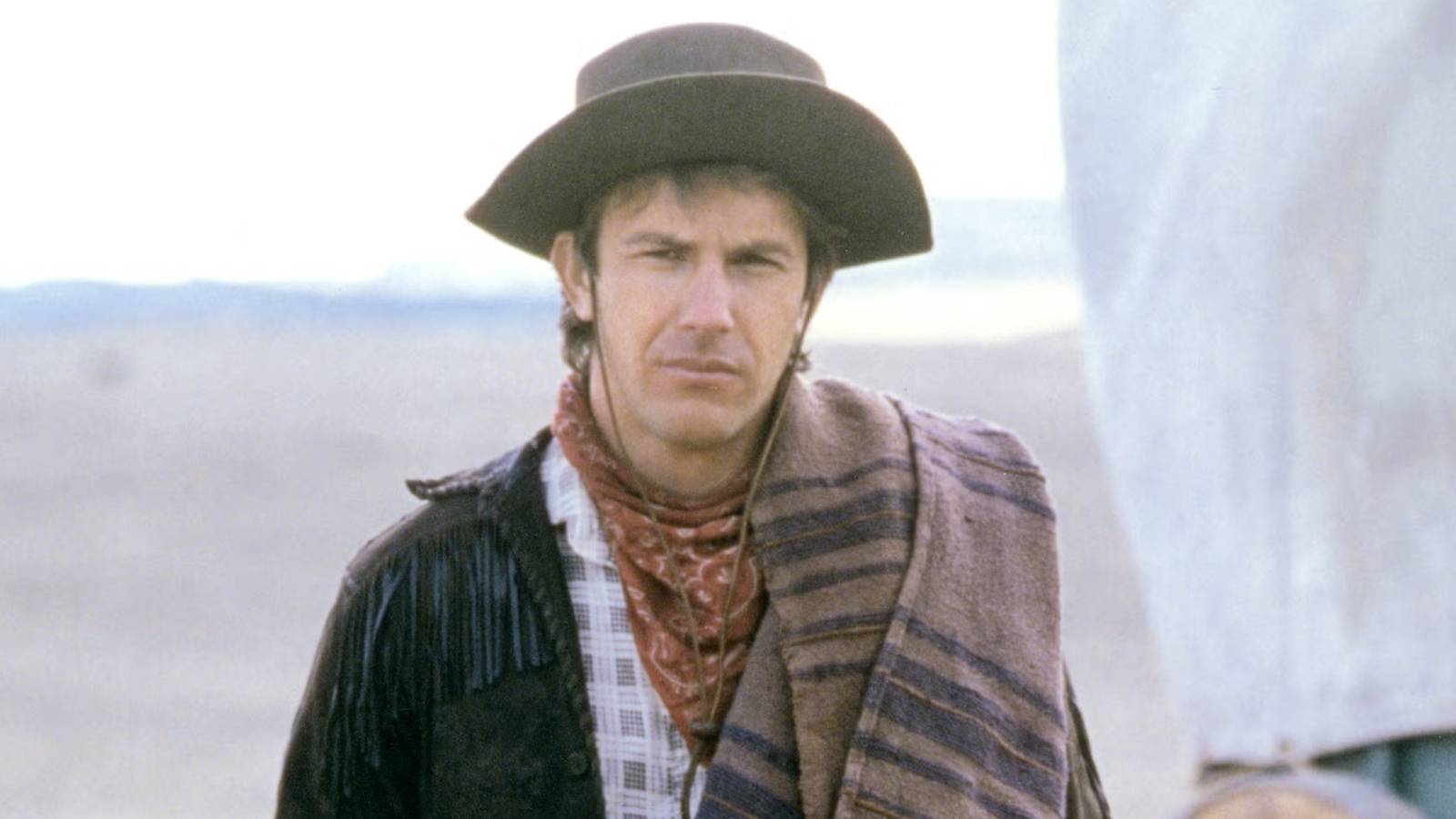
Published Sep 12, 2026, 5:00 PM EDT Simon Gallagher has worked in movie and TV journalism for more than 17 years. He has written more than 6000 articles and reviews, and edited thousands more. He is an expert in the entertainment industry, particularly in the golden age of screen superheroes. Simon is also a Rotten Tomatoes approved critic. As a Western fan, the 1980s was a strange time. The golden era of the genre was long gone, audiences were far colder, and narratives like the highly-publicized failure of Heaven’s Gate were louder than the movies still being made. Major audiences had simply drifted more towards high-concept sci-fi, action, and glossy blockbusters, and the space for the dusty old West was reducing. That isn’t to say there aren’t still some great 1980s Westerns, of course. Clint Eastwood clearly took exception to the idea that the genre was dead or dying by returning to Westerns after a decade away with the exceptional Pale Rider. So there was still life in the old horse, yet, as long as the quality was there to reward audience members still willing to buy tickets. Sadly, there was also a lot released under the Western banner throughout the 1980s that didn’t exactly do much for its reputation. As the 1980s came to its end, though, the following decade brought revisionist Westerns back to life in impressive fashion, with Tombstone still hailed as one of the greatest additions to the genre of all time. There were other great Westerns released in the 1990s, of course, like Kevin Costner’s Dances with Wolves, but thanks to its blend of charisma, a great ensemble cast, and a pure rewatchability factor, Tombstone was the genre’s winner of the decade. The same year Pale Rider came out, the 1980s had its own answer to Tombstone: a packed cast, a similar fast pace, and a lighter tone than some of the revisionist fare released around them, and conventional Western ideas. But Lawrence Kasdan’s Silverado never quite reached the heights of Tombstone at the box office, and took far longer to be recognized as the genre gem it always deserved to be seen as. Silverado Was a Box Office Flop (for Good Reason) When Silverado opened on July 10, 1985, the chiefs at Columbia Pictures clearly had their eyes on the key to reviving the classic Western. Critics were largely on board, praising Kasdan’s direction and the ensemble cast, which boasted the collected talents of Kevin Kline, Scott Glenn, Danny Glover, and Kevin Costner. And yet, despite those positive reviews and the same genuine crowd-pleasing energy Tombstone would bring almost a decade later, the film struggled to find its audience, ultimately grossing just under $32 million against its production $23 million budget and a reportedly inflated release budget thanks to the decision to move it forward on the back of a strong test screening. The primary culprit was not quality, because the critical reactions were - if anything - less enthusiastic than Silverado deserves. Rather, it was a case of catastrophic timing, because Silverado arrived in theaters exactly one week after Robert Zemeckis’s Back to the Future. The time-travel comedy had already instantly captured the cultural zeitgeist, dominating ticket sales and basically sucked up all of the oxygen of that summer blockbuster period. Silverado could have been proclaimed the greatest Western of all time, and it still would have struggled to compete against Michael J Fox, the Delorean, and 2 hours of peak pop culture perfection. Not to mention, Pale Rider’s release a mere two weeks earlier had already given the Western audience their fix for the summer. Expecting them to come out twice made the decision to move Silverado all the more misguided, and Kasdan’s double-Oscar nominee was the victim. Why Silverado Became A Cult Classic Though it failed to take off fully in the summer of 1985, Silverado did eventually find its audience through home video rentals and cable television rotation, and its reputation grew. As those who saw it when it first released already knew, Silverado was finally recognized as a marvel of ensemble storytelling that balanced multiple narrative threads without compromising on pace or interest in any. And each of the leads got their chance to shine, including Kevin Costner himself in both his first Western and a real breakout role. Over the years since its release, appreciation for the film has only grown, and it feels more like Silverado should have been the 1980s answer to Tombstone in terms of its success with every passing year. The conversation around Westerns of the period always now include both as the top tier - along with the likes of Dances with Wolves, Unforgiven, and The Quick and the Dead. In other words, Silverado now stands firmly alongside Tombstone as the high-water mark of late-20th-century frontier cinema. So, if you appreciate the gunplay of Tombstone and its irresistible ensemble chemistry built on Kasdan’s experience on The Empire Strikes Back and Raiders of the Lost Ark, Silverado delivers that exact brand of movie magic. It was and still is a magnificent, big-hearted throwback that was simply released at the wrong time to catch its deserved wave. Silverado Release Date July 10, 1985 Runtime 133 Minutes
41 Years Ago, Back to the Future Destroyed the Last Great Modern Western Before Tombstone
Full Article
Original Source
Read the full article at Screenrant →KhanList aggregates and links to publicly available news content. We do not host full articles from third-party sources. Always verify important information with original sources.