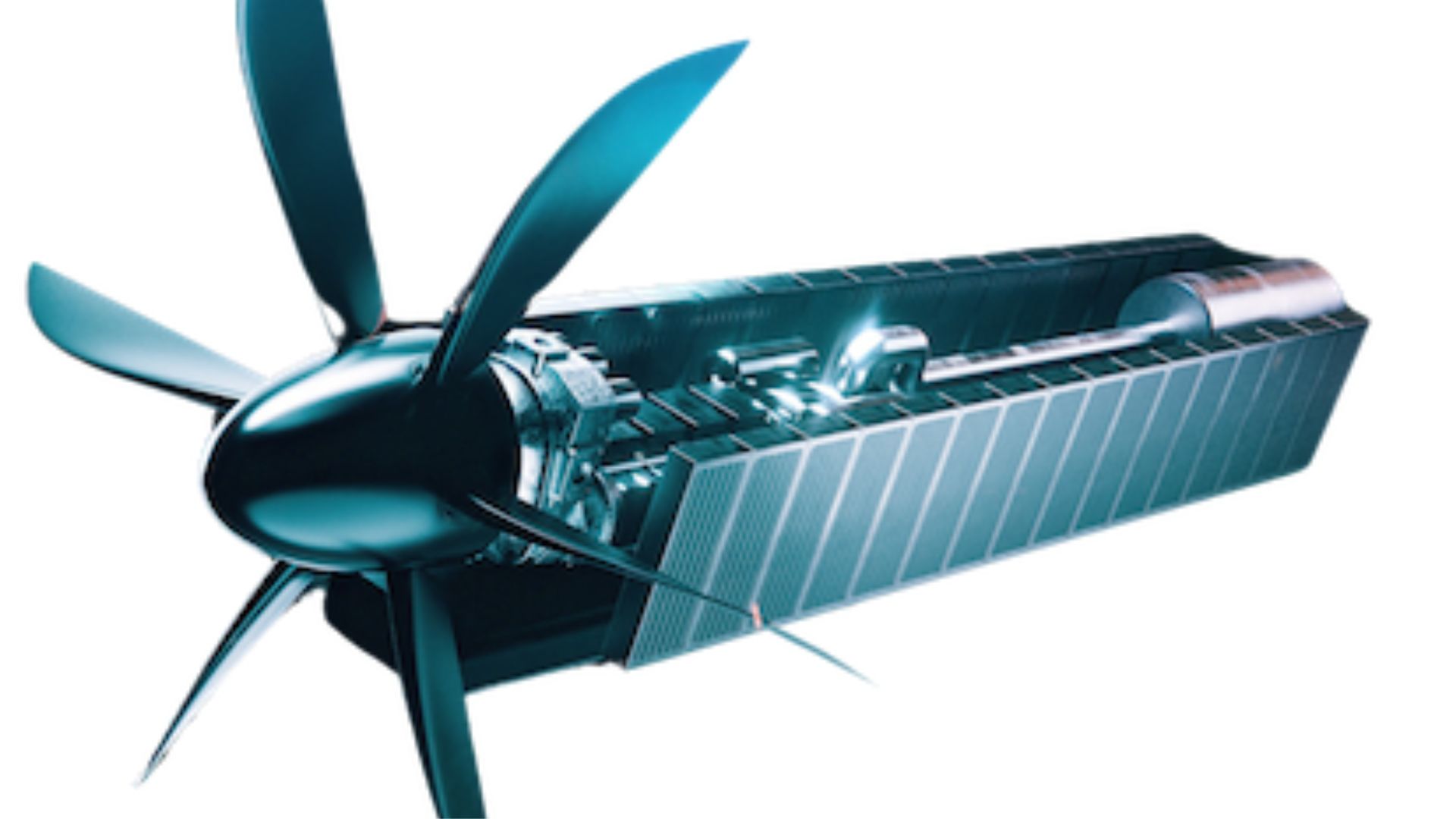
US-based ZeroAvia and French aerospace giant Safran have partnered to accelerate the development of zero-emission, hydrogen-electric propulsion technologies for aviation. The partnership fuses ZeroAvia’s cutting-edge aerospace fuel cell expertise with Safran’s deep roots in propulsion, electrification, and fuel cell testing. The core is the development of high-temperature fuel cells, which are essential for meeting the intense, sustained power demands of heavy commercial airliners. Compared to cooler-running fuel cells used in cars or small drones, these advanced systems unlock the necessary muscle for large aircraft while reducing the size and weight of the heavy cooling equipment needed to keep hydrogen powertrains stable. “Hydrogen-electric propulsion has the potential to transform aerospace and defense applications, and collaboration is essential to accelerating that transition. By working hand-in-hand with Safran, we are helping to advance technologies that are critical to building a better, cleaner future for flight,” said Christine Ourmières-Widener, Executive Chair of ZeroAvia. Green aviation Aviation contributes roughly 2.5% of global CO2 emissions. The industry has pinned its near-term hopes on Sustainable Aviation Fuels (SAFs), which are biofuels blended with kerosene. But SAFs are still developing, expensive, scarce, and still release carbon during flight. Hydrogen changes the equation entirely. When liquid hydrogen passes through a fuel cell, it generates electricity to spin the propellers. The only byproduct is pure water. Safran isn’t new to this game. They previously secured the world’s first certification for their ENGINeUS electric propulsion system. But linking up with ZeroAvia provides a shortcut. It brings a startup’s fast pace into a large company’s strict engineering world. “This partnership between Safran and ZeroAvia will act as a catalyst in accelerating the maturation of technologies for fuel cell electric propulsion systems. The partners will investigate in particular collaboration on advanced High-Temperature fuel cells paving the way for future demanding aviation applications,” the company stated. Long way to go Reportedly, ZeroAvia faced financial constraints that forced a recent workforce reduction and the pause of its in-house electric propulsion and ZA600 powertrain developments. The firm’s sub-regional 600kW powertrain (using standard low-temperature fuel cells) is already targeting certification for 9- to 19-seat aircraft (such as the Cessna Caravan or Dornier 228). The strategic pivot now allows the company to combine its fuel cell expertise with the capital and manufacturing scale of Safran, an industry giant with deep ties to Airbus. Skepticism remains regarding the short-term viability of hydrogen flight. Experts suggest hydrogen in aviation belongs “more for the 22nd century.” Even pan-European planemaker Airbus, which has spent years working to debut a hydrogen-powered aircraft by the 2040s, recently acknowledged that its progress has been slower than originally expected. Nevertheless, the industry is watching closely. There are still massive hurdles ahead, including building a global liquid-hydrogen infrastructure at airports and convincing regulators that flying fuel cells is completely safe. But by joining forces, ZeroAvia and Safran have made one thing clear: the future of aviation will be quiet, clean, and powered by the most abundant element in the universe. Recommended ArticlesGet the latest in engineering, tech, space & science - delivered daily to your inbox.Mrigakshi is a science journalist who enjoys writing about space exploration, biology, and technological innovations. Her work has been featured in well-known publications including Nature India, Supercluster, The Weather Channel and Astronomy magazine. If you have pitches in mind, please do not hesitate to email her.
ZeroAvia and Safran partner to develop hydrogen-electric propulsion technologies
Full Article
Original Source
Read the full article at Interestingengineering →KhanList aggregates and links to publicly available news content. We do not host full articles from third-party sources. Always verify important information with original sources.