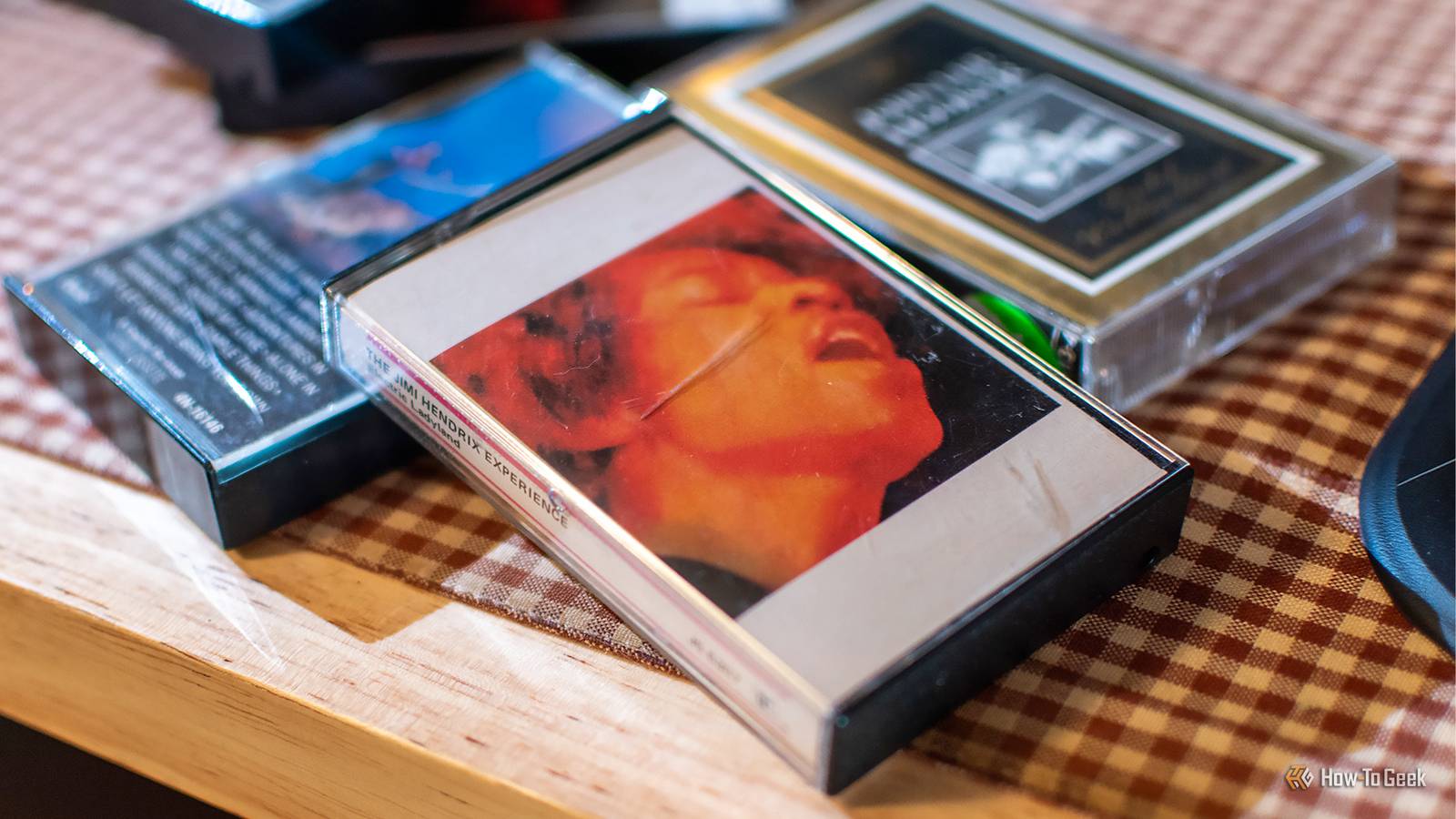
Published Aug 3, 2026, 2:40 PM EDT Sydney Butler is a technology writer with over 20 years of experience as a freelance PC technician and system builder and over a decade as a professional writer. He's worked for more than a decade in user education. On How-To Geek, he writes commerce content, guides, opinions, and specializes in editing hardware and cutting edge technology articles. Sydney started working as a freelance computer technician around the age of 13, before which he was in charge of running the computer center for his school. (He also ran LAN gaming tournaments when the teachers weren't looking!) His interests include VR, PC, Mac, gaming, 3D printing, consumer electronics, the web, and privacy. He holds a Master of Arts degree in Research Psychology with a minor in media and technology studies. His masters dissertation examined the potential for social media to spread misinformation. Outside of How-To Geek, he hosts the Online Tech Tips YouTube Channel, and writes for Online Tech Tips, Switching to Mac, and Helpdesk Geek. Sydney also writes for Expert Reviews UK. He also has bylines at 9to5Mac, 9to5Google, 9to5Toys, Tom's Hardware, MakeTechEasier, and Laptop Mag. So, for some inexplicable reason, cassette tape collecting is now also a thing alongside vinyl. This time there aren't even any arguments about analog sound quality, it just seems to be a vibe but, hey, you do you! However, if you're building a cassette collection, or you have one from before, you should know that this form of physical media is significantly more vulnerable to degrading than, for example, CDs. Magnetic music was never meant to last forever Tapes were the cheaper format, after all Credit: Andrew Heinzman/How-To Geek It's important to remember that, unlike vinyl and later CDs, cassettes were never designed to be a long-lasting medium in the first place. This was a portable, inexpensive, and convenient format you could listen to in a car, or on portable players like the revolutionary Sony Walkman. Inside a cassette is a long spool of plastic tape covered with a magnetic medium that holds the recording as analog magnetic fluctuations. Even if you do nothing, even if the tape is sealed and unopened, those magnetic particles lose their alignment over time and the quality of the recording fades. The science of slow decay Your tapes are flaking away Cassette tapes can fail in various ways, either over time or spontaneously. The worst offender is, however, something known as binder breakdown or sticky-shed syndrome. The binder is the adhesive that holds the magnetic layer to its plastic carrier. Binder breakdown doesn't affect all tapes equally. It's all down to the formulation of the binder used by the manufacturer. Some binder formulas absorb too much moisture over time, causing the separation. Rendering the tape unusable. However, it's safer to assume that your cassettes will develop some sort of binder breakdown or other similar issue over time, and act accordingly. Also, not all binder issues are specifically due to moisture or specifically sticky-shed. Whatever the reason the binder has broken down, it's not good news for your cassette! Storage conditions can make or break cassettes Dirt, dust, mold, and more Credit: Andrew Heinzman/How-To Geek How your cassettes have been stored has an effect on how quickly these age-related failures happen or whether they will happen at all. Too much heat, such as from being in a box baked by sunlight, or next to a heat source over the long term accelerates chemical breakdown. High humidity is involved in moisture absorption, but can also cause issues like mold. Dust can infiltrate the reels, direct UV light exposure can fade, warp, and generally end the useful lifespan of a cassette in short order too. The worst environments— basements, attics, glove compartments—are also the most common places old tapes end up. The advice here is the same as it always is for physical media. Store your cassettes somewhere cool and dry, out of direct sunlight, and preferably at least somewhat sealed against dust. Cassette decks aren’t getting any younger either Those belts have seen better days Credit: Jordan Gloor / How-To Geek Tapes are also vulnerable to wear from simply being played. The more you play a tape, the more dust on the tape's surface damages it as the head passes over. Which is one important reason to minimize dust, and why tapes should be kept in their cases. The force of the motors in your tape deck also stretches the tape out over time, and worn tapes develop unstable sound reproduction. This is inevitable, but a poorly maintained or malfunctioning cassette player can make it worse, or even destroy your cassette tapes. Now, it is possible to buy brand-new tape decks, but if you're still using an old player, you should have it serviced to ensure that it doesn't harm your tapes. This isn't always easy to do yourself, and finding a professional who still works on cassette players might be tough, but it's worth it if you want to get a few more years both from your player and from your cassettes. Reshow Cassette Player The most comprehensive way to convert your old audiotapes into a digital format. Digitize now or lose them forever Your cassettes are on a countdown timer with an unknown amount of time on the counter. So if you care about their contents, it's imperative that you make digital copies of them as soon as possible. Any good tape deck with a line-out function can be connected to your computer and allow you to digitize your tapes. However, most modern cassette tape players have a built-in function to copy the contents of a cassette to MP3 or other suitable formats. So it might all be easier than you think. That said, most of your cassette collection is probably available in a much higher quality format, like CD. So you probably only need to preserve rare tapes that don't have a release in other formats, or personal recordings.
Your old audio cassette collection is destroying itself
Full Article
Original Source
Read the full article at Howtogeek →KhanList aggregates and links to publicly available news content. We do not host full articles from third-party sources. Always verify important information with original sources.