
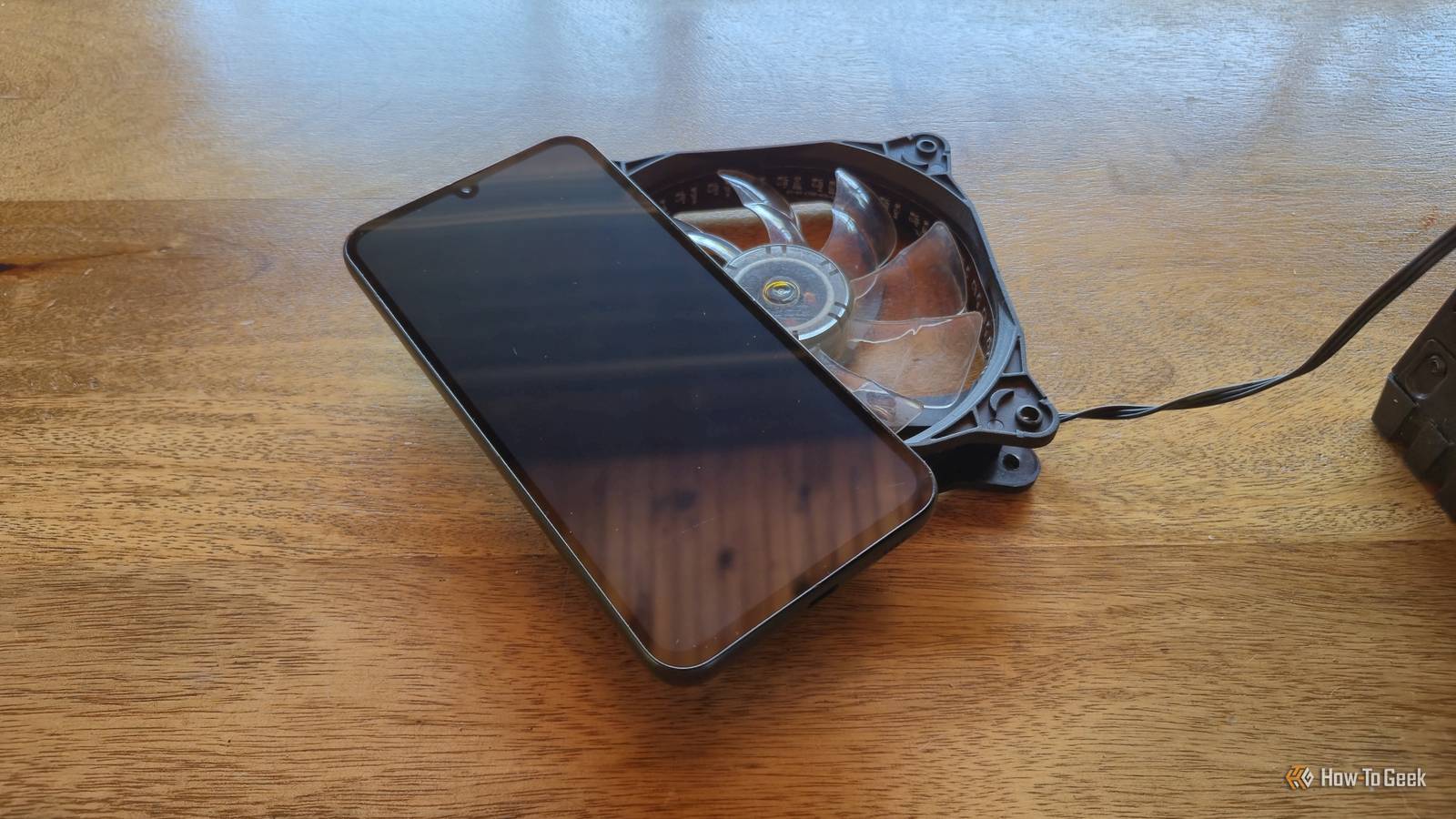
Published Nov 9, 2026, 8:00 AM EST Tyler is an journalist and content contributor at How-To Geek with over three years of experience covering the automotive and tech industries. His work focuses on delivering clear, well-researched, and engaging content that helps readers better understand the vehicles they drive and the technology that they use everyday. Before entering automotive media, he spent five years as an academic editor, developing a strong foundation in research methodology, factual accuracy, and structured analysis. This background informs his journalistic approach today, ensuring that every article balances technical insight with accessibility for a broad audience. Our phones are constantly being upgraded with new, interesting technology, but the quest for progress doesn't always lead to a better product. Sometimes, new technology can be more of a gimmick than something really useful. In other cases where the technology does have its uses, it gets filtered into a ton of devices whether or not they need it. One of the latest examples of this progress is cooling fans. They're present in our laptops, PCs, and consoles, but they're also starting to make their way into a number of Android phones around the world. They might sound like a good idea conceptually, but there are a lot of reasons why I remain pretty dubious. A growing list of Android phones are coming with cooling fans Less niche than you'd think The idea of a cooling fan coming installed in an Android phone sounds pretty gimmicky, but it is something that is becoming more and more common as time moves on. It isn't a new trend by any means, with a ton of older devices featuring the technology. Joining the list are two devices from pretty strong Android brands worldwide: the OnePlus Ace 7 and Honor Win 2 Series. Instead of being something saved for niche flagship gaming devices, cooling fans are becoming more widely available across a wider set of handsets. Laptops, PCs, and handheld gaming consoles all come with cooling fans, so it theoretically makes sense why smartphone manufacturers would want to follow suit. Loads of people know the pain of playing a particularly intensive game on their phones only to have their hands start cooking because of the heat. While it might sound like a pretty good idea in theory to have a fan to keep things cool, there are a good couple of drawbacks that might make the technology worth avoiding, at least for now. Smartphones are quite small, and that's a problem Fans can't be nearly as effective as they are in other devices The goals of cooling fans are pretty obvious. By dissipating and managing heat during heavy tasks, they aim to limit things like thermal throttling, meaning that performance won't dip off as quickly. They also improve hand comfort by reducing hotspots, and they can help manage long-term battery health. The problem is that there are a couple of caveats that limit how much small fans in smartphones can potentially achieve these goals. The first, and most important, limiting factor is space. Because smartphones are relatively small, at least compared to things like laptops and handheld consoles, there is minimal space for airflow. This makes it quite difficult for a little fan to effectively manage heat, at least on its own. While it can support cooling, the passive thermal design of a device is arguably more important. The other problem is that the fans take up space inside your device. While all the internals of our smartphones are constantly being optimized and shrinking, a fan takes up real estate that could otherwise go to the battery and camera sensors. It feels like only hardcore mobile gamers would realistically be willing to trade some of these core features for better cooling. Noise and battery drain are also pretty big concerns Compounding problems Cooling fans would obviously be most useful when your phone is running hot, which happens when it's taking on some pretty heavy tasks. These intensive tasks generally demand quite a lot of power, draining your phone much quicker than normal. In this scenario, your phone would then ramp up the fan to try and keep things cool. This obviously adds another load layer to your battery, only speeding up how quickly your phone's battery drains. Another factor is noise. For these mini fans to theoretically be useful and make an actual difference to heat dissipation, they have to run at quite a high RPM. They need to move faster to move air around as effectively as larger fans. This means that when the fan kicks in, it is going to be instantly noticeable. This might not be a problem if you're playing games with your headphones in, but it is certainly loud enough to disturb everyone around you. Rather than directly solving problems, cooling fans in smartphones feel like a band-aid solution that actually ends up compounding existing issues in some cases. I also worry that the existence of fans in smartphones could encourage some other poor practices. Will chip manufacturers push the bounds of thermal limitations in the name of performance just because they know that more smartphones are coming equipped with fans? Still a bit of a gimmick at this stage While it doesn't sound like an absurd idea for a smartphone to feature a bit of tech to keep temperatures down, the more you think about it, the more counterintuitive cooling fans seem. Is manufacturing a phone that runs so hot it can't be comfortably handled without active cooling even a good idea to begin with? Obviously, this technology is still in its early days, and we will have to see what the future holds before any firm judgment can be made, but I am pretty skeptical, to say the least.
Your next Android phone could have a cooling fan, but it will come at a cost
Full Article
Original Source
Read the full article at Howtogeek →KhanList aggregates and links to publicly available news content. We do not host full articles from third-party sources. Always verify important information with original sources.