
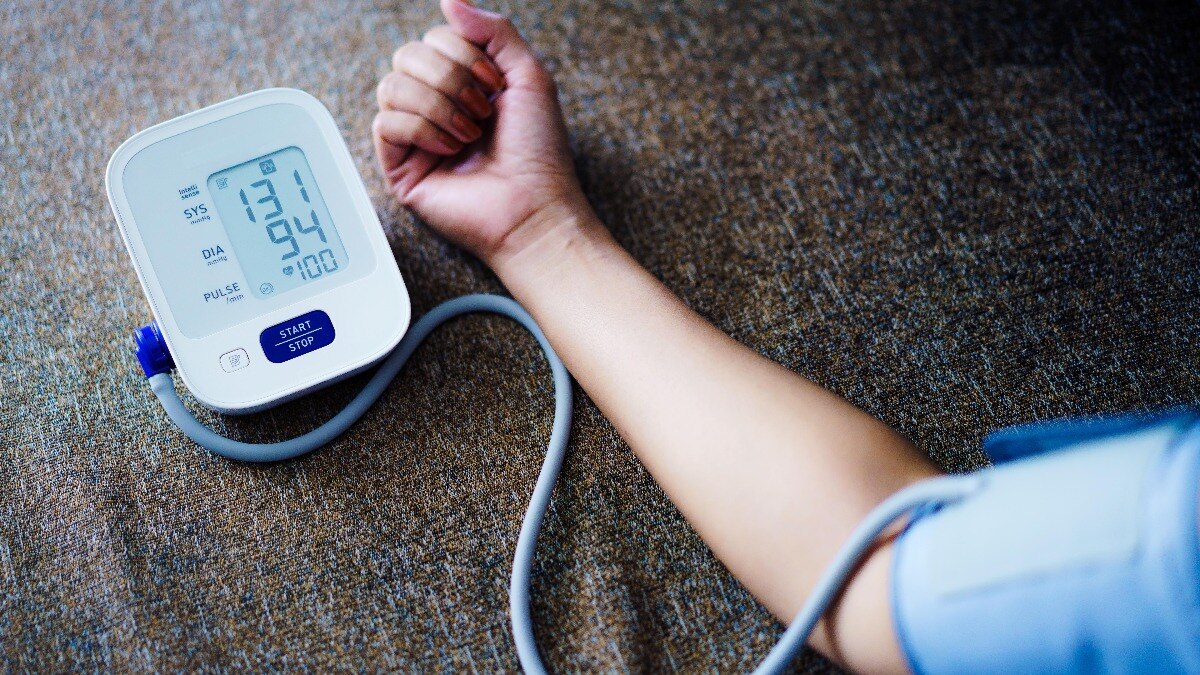
A normal cholesterol report does not always mean your heart is healthy, as several other risk factors can increase the chances of heart disease. High blood pressure, elevated blood sugar, unhealthy lifestyle habits and family history can silently affect heart health, making regular health checks essential.Normal cholesterol, heart disease risk: Why blood pressure and sugar tests still matterNew Delhi,Oct 12, 2026 10:51 ISTA normal cholesterol report is often seen as a sign that the heart is healthy. For many people, getting their cholesterol levels checked and finding that the numbers fall within the recommended range brings a sense of relief. However, heart health is more complex than a single blood test, and normal cholesterol levels do not necessarily mean that a person is free from the risk of heart disease.Several factors influence how well the heart and blood vessels function. These include blood pressure, blood sugar levels, smoking, alcohol consumption, physical activity, dietary habits and family history. Some of these factors can remain unnoticed for years because they may not cause clear symptoms in the early stages. During this time, damage to the blood vessels can continue without a person realising that something is wrong.This is particularly concerning because heart disease can develop gradually, and in some cases, a heart attack may be the first sign of an underlying problem. While cholesterol testing remains an important part of assessing cardiovascular risk, it should not be treated as the only measure of heart health. Understanding the other risk factors and getting appropriate health screenings can help people identify potential problems early and take steps to reduce their risk.WHY NORMAL CHOLESTEROL DOES NOT ALWAYS MEAN A HEALTHY HEARTCholesterol is a fatty substance found in the blood that the body needs to function. However, high levels of low density lipoprotein (LDL), often called bad cholesterol, can contribute to plaque formation inside the arteries. Over time, this buildup can narrow the arteries and increase the risk of heart attacks and strokes. However, cholesterol is only one part of the overall picture. A person with cholesterol levels within the recommended range may still have high blood pressure, elevated blood sugar or other conditions that increase cardiovascular risk.This is why doctors assess several factors together rather than relying on one test result. A normal cholesterol report can be reassuring, but it cannot independently establish that the heart and blood vessels are healthy.HIGH BLOOD PRESSURE AND BLOOD SUGAR CAN CAUSE SILENT DAMAGE High blood pressure is one of the major risk factors for heart disease. When blood pressure remains elevated over a long period, the heart has to work harder to pump blood. This can put additional strain on the heart and damage blood vessels.Similarly, high blood sugar levels can damage blood vessels over time and increase the risk of cardiovascular complications. People with diabetes or prediabetes may need closer monitoring, depending on their individual risk factors.The challenge is that both high blood pressure and elevated blood sugar can develop without obvious symptoms. A person may feel perfectly healthy while these conditions gradually affect the body. Regular blood pressure measurements and blood sugar tests can help detect these problems before serious complications develop.LIFESTYLE HABITS AND FAMILY HISTORY ALSO MATTERDaily habits play an important role in maintaining heart health. A sedentary routine, a diet high in salt and unhealthy fats, smoking and excessive alcohol consumption can increase cardiovascular risk. Lack of physical activity can also contribute to weight gain, high blood pressure and problems with blood sugar regulation.Family history is another important consideration. People with close relatives who developed heart disease at a young age may have a higher risk and should discuss appropriate screening with their doctor.Making healthier choices can help reduce these risks. Regular physical activity, a balanced diet, adequate sleep, avoiding tobacco and limiting alcohol can support cardiovascular health. However, lifestyle changes should complement medical screening and treatment rather than replace them.WHAT HEALTH CHECKS SHOULD YOU CONSIDER AFTER 40For adults over 40, a comprehensive health assessment can provide a clearer picture of overall health than an isolated cholesterol test. The tests required will depend on a person's age, medical history, symptoms and existing risk factors.Blood pressure measurement, blood sugar screening and a complete lipid profile are important components of cardiovascular risk assessment. Doctors may also recommend kidney function tests, liver function tests, haemoglobin assessment and thyroid function tests when clinically appropriate.An electrocardiogram (ECG) records the electrical activity of the heart and may be recommended in certain situations. However, an ECG alone cannot rule out heart disease in someone without symptoms. Not everyone needs every test annually, and screening should be guided by a qualified healthcare professional.People who experience chest discomfort, breathlessness, fainting or other concerning symptoms should seek medical attention rather than waiting for a routine check-up.EARLY DETECTION CAN HELP REDUCE HEART DISEASE RISKHeart disease does not always produce clear warning signs in its early stages. This makes regular health assessments, awareness of personal risk factors and timely medical advice particularly important.A normal cholesterol reading should be viewed as one useful piece of information, not a guarantee of good heart health. Monitoring blood pressure and blood sugar, reviewing family history and addressing unhealthy habits can help people make informed decisions about their health.Early detection allows many risk factors to be managed through lifestyle changes, medication when necessary and regular medical follow-up. Rather than relying on a single reassuring report, people should focus on a broader assessment of their cardiovascular health.(Inputs by Dr Pavankumar P Rasalkar, Consultant, Interventional Cardiology, Manipal Hospital Kanakapura Road.)- Ends
Your cholesterol is normal, but your heart could still be at risk
Full Article
Original Source
Read the full article at Indiatoday →KhanList aggregates and links to publicly available news content. We do not host full articles from third-party sources. Always verify important information with original sources.