
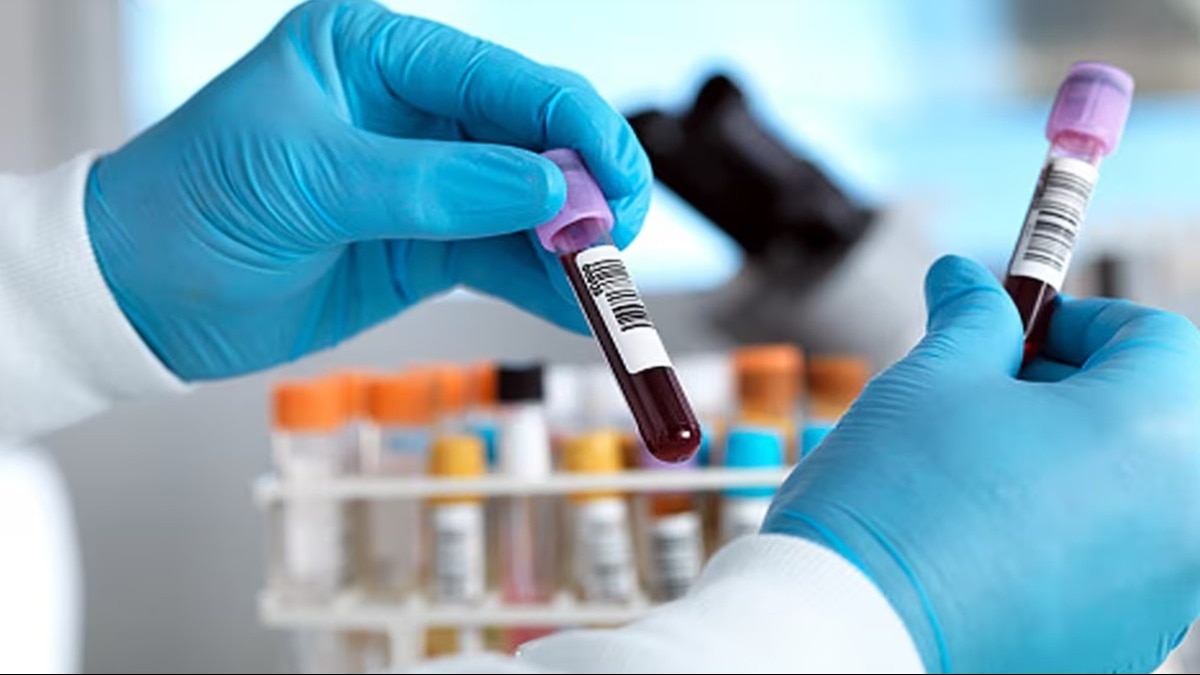
A blood test report showing high creatinine or potassium levels can be frightening, particularly when these markers are associated with kidney dysfunction and potentially serious complications. Patients may immediately assume their kidneys are failing, while doctors may recommend urgent evaluation or even hospital admission, depending on how severe the readings are.But what if the report itself is inaccurate?Laboratory errors and problems during sample collection, transportation or processing can sometimes produce abnormal readings in otherwise stable patients. One of the most common examples is a falsely elevated potassium level caused by haemolysis, a condition in which red blood cells rupture and release potassium into the blood sample.Explaining this, Dr Anant Joshi, Consultant Nephrologist, Delhi, says, "False alarms in kidney reports are real, and they're most often about potassium." WHY CAN POTASSIUM LEVELS APPEAR FALSELY ELEVATED?According to Dr Joshi, haemolysis can occur during a difficult blood draw, excessive tourniquet use, repeated fist clenching, delayed sample processing or rough transportation. When red blood cells rupture, they release potassium into the sample, potentially resulting in a reading that is higher than the patient's current blood potassium level.This can be particularly concerning because genuinely elevated potassium, medically known as hyperkalaemia, can interfere with the heart's electrical activity and cause dangerous heart rhythm abnormalities. Creatinine readings can also be affected by certain factors, although false elevations are less common. Certain medications, transient dehydration, vigorous unaccustomed physical activity in the 24 hours before testing, high meat intake and laboratory interference can influence creatinine results.Uric acid levels, meanwhile, can also vary depending on sample handling and the testing method.OTHER LABORATORY ERRORS THAT CAN AFFECT YOUR REPORTHaemolysis is not the only reason behind an inaccurate blood test. Dr Joshi highlights two other possibilities that patients should know about.The first is a labelling error, in which blood samples belonging to two different patients may get interchanged. This can result in a report carrying one patient's name but reflecting another person's blood results.The second is sample contamination from intravenous fluids. If blood is drawn from the same arm through which IV fluids, including saline or potassium-containing solutions, are being administered, the sample may become diluted or contaminated. This can produce misleading readings.To reduce such risks, blood samples should generally be collected from the opposite arm when an infusion is running.HOW SHOULD DOCTORS DISTINGUISH A GENUINE EMERGENCY FROM A FALSE ALARM?An abnormal laboratory value should never be interpreted in isolation. Doctors need to consider the patient's symptoms, medical history, previous reports, medications and clinical condition.Dr Joshi explains that when a patient appears clinically well but has an unexpectedly abnormal potassium or creatinine reading, doctors may investigate the possibility of a sample-related problem.A repeated blood test, collected carefully and processed promptly, can help resolve doubts. Doctors may also contact the laboratory or pathologist to enquire whether the sample was haemolysed or whether there was an unusual delay between collection and processing.Patients should also compare their latest results with previous reports and inform their treating doctor about any medicines, supplements or recent physical activity that could influence the readings.WHAT SHOULD PATIENTS DO AFTER RECEIVING AN ABNORMAL KIDNEY REPORT?The first step is not to panic or dismiss the result. Patients should promptly contact their treating doctor and ask whether the abnormal reading needs immediate evaluation or confirmation through repeat testing.They should carry previous laboratory reports and discuss any symptoms or recent changes in medication. If the treating doctor suspects a sample-related issue, they can coordinate with the laboratory to investigate it.However, patients should never delay emergency assessment while waiting for a repeat test if the doctor suspects a potentially serious condition.WHEN SHOULD YOU SEEK EMERGENCY MEDICAL ATTENTION?Certain symptoms require immediate medical attention, irrespective of whether a laboratory error is suspected. These include palpitations, sudden muscle weakness, chest tightness, fainting, breathlessness, very little or no urine and persistent vomiting.Dr Joshi emphasises that a potassium level of 6.5 mmol/L or higher requires urgent medical assessment and an ECG, even if the patient does not have obvious symptoms. This is because dangerously high potassium can trigger potentially fatal cardiac arrhythmias without producing early warning signs.His message to patients is simple: "Don't panic over an abnormal report, but don't dismiss it either."A laboratory report is an important tool in medical diagnosis, but it is not a diagnosis by itself. Assess unexpected findings in the context of the patient's overall health, and verify them promptly to prevent unnecessary treatment or hospitalisation while ensuring genuine emergencies aren't missed.As doctors emphasise, treat the patient, not just the number.- Ends
Your blood test says your kidney is failing. Should you trust it?
Full Article
Original Source
Read the full article at Indiatoday →KhanList aggregates and links to publicly available news content. We do not host full articles from third-party sources. Always verify important information with original sources.