
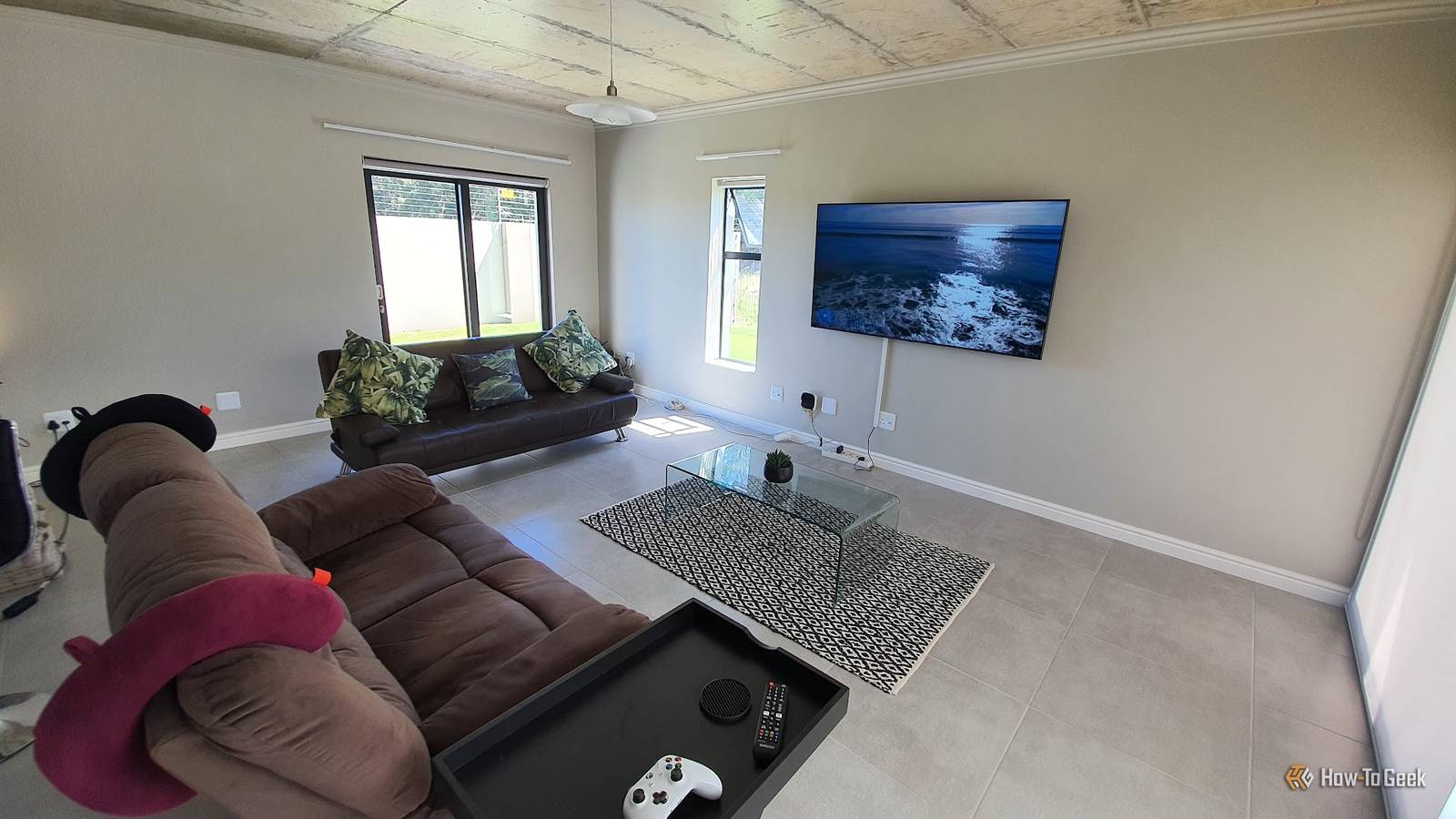
Published Sep 25, 2026, 8:30 AM EDT Sydney Butler is a technology writer with over 20 years of experience as a freelance PC technician and system builder and over a decade as a professional writer. He's worked for more than a decade in user education. On How-To Geek, he writes commerce content, guides, opinions, and specializes in editing hardware and cutting edge technology articles. Sydney started working as a freelance computer technician around the age of 13, before which he was in charge of running the computer center for his school. (He also ran LAN gaming tournaments when the teachers weren't looking!) His interests include VR, PC, Mac, gaming, 3D printing, consumer electronics, the web, and privacy. He holds a Master of Arts degree in Research Psychology with a minor in media and technology studies. His masters dissertation examined the potential for social media to spread misinformation. Outside of How-To Geek, he hosts the Online Tech Tips YouTube Channel, and writes for Online Tech Tips, Switching to Mac, and Helpdesk Geek. Sydney also writes for Expert Reviews UK. He also has bylines at 9to5Mac, 9to5Google, 9to5Toys, Tom's Hardware, MakeTechEasier, and Laptop Mag. My first "big-screen" TV was a 51-inch Samsung Plasma, which I held on to for such a long time that I made the leap from 720p straight to 4K in 2016, when I purchased a 55-inch Samsung LED LCD TV. Coming from CRTs, I already thought these TVs were enormous, but standards have changed. These days, 65-inch TVs are basically the mainstream, midrange choice. They're not considered small, nor particularly large, and given their popularity, it's fair to think that the 55-inch TV's days are numbered. That is why I ended up buying a 75-inch TV, which started out as a good experience, but I didn't have to wait long before I regretted it. I bought a TV for the room instead of the way we used it This is what happens when you follow the rules Credit: Samsung After moving into a new place with a larger open living area, we decided a larger TV would be nice. So I splurged on a 75-inch Samsung TV, and now we could sit further away from the TV for effectively the same image size and picture quality as the previous 55-inch model. At least on paper. This is what you're supposed to do. Calculate the viewing distance, and that determines what size TV you should buy. The theory is sound, but what people actually do is a little different. So even though we'd set things up the right way according to the math, it always felt like the TV was too far away. In the end, we just moved the furniture closer to the TV, and there wasn't that much difference in viewing distance compared to the 55-inch we'd replaced. A 75-inch TV is much bigger than its name makes it sound Everything becomes a two-person job Credit: RTINGS.com The new TV had been delivered and installed with very little input or effort from me. But about a year later, it was time to move into a new place, which meant taking it off the wall, packing it up, and setting it up again. This was the first real regret I'd felt since buying this big TV. While flat-screen TVs aren't necessarily heavy, the larger formats are a pain to transport, and the bigger the TV, the more fragile it is. If you've never handled larger-format TVs in person, an extra 20 inches of screen might not sound like much. However, we're talking about the diagonal measurement, which means the increase in surface area is significant. Using a screen size calculator, a 55-inch TV clocks in at 1,293 square inches. A 75-inch TV has 2,404 square inches. That's almost twice the screen surface! A giant screen exposes everything wrong with ordinary video One of the reasons viewing distance matters Pixel density matters, and when you sit too close to a large TV, the pixels become rather apparent. Especially if it's being upscaled from a source that's not 4K. After moving into a new place with a smaller living room, I was constantly bugged by how pixelated things looked. The best results were from 4K Blu-rays and my PlayStation 5. However, playing games on the Xbox Series S, which is limited to a much lower resolution, didn't produce a very pleasing image. Likewise, while 1080p content looked fine, 480p content was rather rough. I would rather buy a better 55-inch or 65-inch TV "Lucky" for me, my 75-inch Samsung died mysteriously just a month or two after its warranty ended. Instead of replacing it with another large set, we decided to buy a 55-inch OLED, which was superior in every way other than size. That was three years ago, and I haven't felt like my TV is too small. At least not for an intimate two-person household setup. We made a little movie and gaming corner, and because of that, things are fine. If I ever size things up again, it will certainly be no larger than 65 inches. That's already significantly larger than a 55-inch TV, but still practical. I've seen 100-inch and larger TVs on showroom floors, and they are spectacular. Prices on 98-inch TVs are fairly reasonable when considering budget models, but you're at the point where the TV might no longer fit through a typical door. Perhaps it's because I'm someone who moves around semi-regularly, but I think the only way I'd buy a TV larger than 65 inches ever again would be if I actually bought a house (in this economy?) and the TV would stay in one place until it was either sold off or broke. If you really want TVs in this size range, it might actually be a good idea to invest in a "laser TV" or a more traditional long-throw projector.
Your 75-inch TV was a mistake, and I know because I bought one too
Full Article
Original Source
Read the full article at Howtogeek →KhanList aggregates and links to publicly available news content. We do not host full articles from third-party sources. Always verify important information with original sources.