
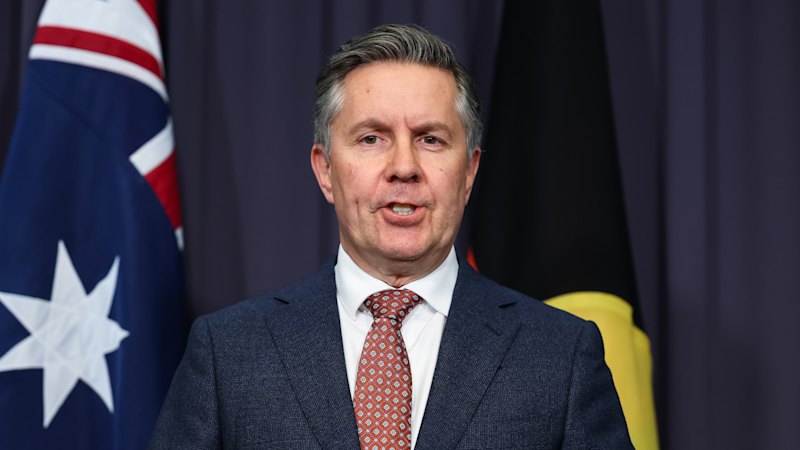
November 24, 2026 — 5:00amOlder Australians will still get a great deal from private health insurance even if the federal government succeeds in removing additional rebates to millions of people aged 65 and older, a former insurance leader says.Labor has proposed that Australians aged 65 and over will receive the same private health insurance rebate as younger people in the same income tier. The controversial plan – criticised by insurers, state governments and industry bodies – was rejected by Coalition, Greens and crossbench senators in October.Health Minister Mark Butler says the government will bring changes to private health insurance rebates back to the Senate. Alex EllinghausenBut Health Minister Mark Butler said on Monday the government was “in negotiations with the Greens” and hoped to return the legislation to the Senate this week. If passed, the changes would come into effect in April 2027.The government says the changes will reduce intergenerational inequity and save $3 billion over four years, to be reinvested in aged care. The changes could increase costs for 3.2 million policyholders by an average $252 a year, and cost the private health insurance industry 44,000 policyholders. Health Department analysis has estimated about 78,000 Australians aged 65 and over would drop their private health cover by 2030 under the changes.Currently, people under 65 years (in the lowest income group) receive a maximum rebate of 24 per cent; for people aged 65 to 69, the maximum rebate is 28 per cent; and for those aged 70 and over, it is 32 per cent. The government argues people in the same income tier should receive the same level of rebate, regardless of age. The bill is supported by academics from the University of Melbourne and the University of Technology Sydney, who note the “current rules give a bigger subsidy to a 70-year-old with substantial savings than to a 35-year-old parent on the same income who is paying a mortgage and childcare”.“Parliament should pass the bill as it stands, and deal with genuine hardship through means-tested support, not age,” suggest Yuting Zhang, Ali Yasin Vergili and Nathan Kettlewell, writing in the Conversation. But the proposed changes have sparked a political and industry backlash. Insurer Latrobe Health Services said while it supported investment in aged care, it didn’t support “older Australians on lower incomes and pensions carrying the cost of it”. The Australian Private Hospitals Association and Australian Medical Association have argued the changes would “fall hardest on the older Australians least able to absorb it, will shift substantial cost to public hospitals already operating at capacity, and will compound an emerging viability crisis in private hospitals”.People aged 65 and over currently get higher rebates than younger generations. Getty ImagesMark Fitzgibbon, who led private health insurer NIB for more than two decades until 2024, said the current settings were about politics, rather than sensible policy, and young policyholders were subsidising the cost of older ones, whose healthcare bills skyrocketed in their final years of life.Under Australia’s community rating system, everyone pays the same premiums for a given policy, regardless of their age and health.“Effectively, young people cross-subsidise older people. If not for government policy [of community rating], premiums for older Australians would be significantly higher,” said Fitzgibbon.“Even if government reduces the rebate, private health insurance remains tremendously good value for [older] people, provided they can afford it.”The Market Recap newsletter is a wrap of the day’s trading. Get it each weekday afternoon.From our partners
‘Young people cross-subsidise older people’: Health insurance battle revs up
Full Article
Original Source
Read the full article at Smh →KhanList aggregates and links to publicly available news content. We do not host full articles from third-party sources. Always verify important information with original sources.