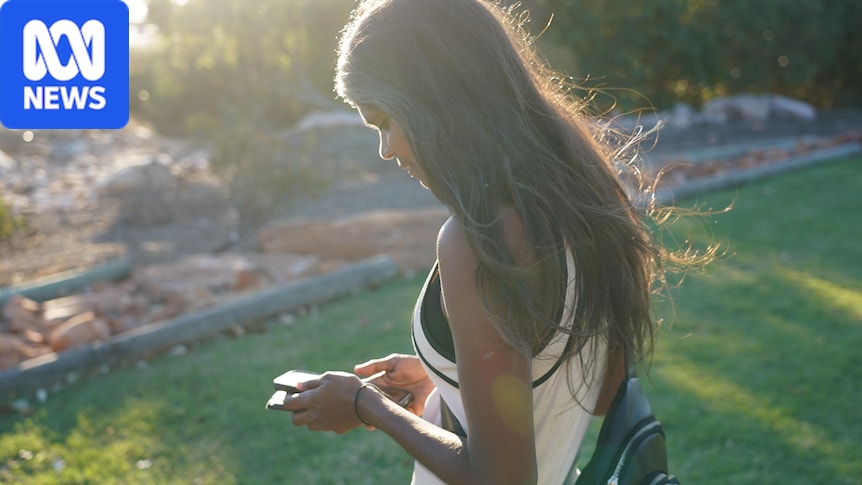
Katlyn Yeeda started sharing her love of fishing on social media more than a decade ago.The Warrwa woman, known online as the Derby Jetty Queen, never thought casting a line would generate hundreds of hateful comments.But simple posts featuring Ms Yeeda's latest catches were met with racist abuse."I didn't realise how bad it [racism] was on social media," she said."With all the hate comments I thought … 'I don't want to do this'."Everyday posts of Katlyn Yeeda fishing from the horseshoe jetty were met with abuse online. (Supplied: Katlyn Yeeda)Ms Yeeda grew up fishing with her family in Derby, 2,000km north of Perth in Western Australia's Kimberley.Her expertise from the horseshoe jetty has attracted nationwide support, and helped to put positive stories of her home town on the map."Everyone loved what I was doing," Ms Yeeda said."They came up to me and told me they loved seeing someone from our own town getting out there and showing what Derby is."Ms Yeeda says she was determined not to let racist comments stop her from posting to social media. (Supplied: Katlyn Yeeda)Ms Yeeda said racist comments had made her reconsider posting to social media."There's down days where I'm like, 'I'm so over it, I just want to give up'," she said.But Ms Yeeda said she was determined not to allow the comments — many of which drew upon harmful stereotypes — to stop her from posting."I realised, this is what they want," she said."They don't want us to put our lifestyle out there and show how we're living a different lifestyle from them."Hatred 'getting worse'It's an all-too familiar story for Darwin chef Zach Green.Born in Melbourne, Mr Green is a descendant of the Gunditjmara people in south-west Victoria.The 37-year-old said he first experienced online racism and abuse when he started posting to social media as The Story Teller Chef in 2018.His content focused on celebrating culture through Indigenous recipes and stories.But the trolling and abuse had nothing to do with the food he was sharing on camera.Gunditjmara man and chef Zach Green celebrates Indigenous culture through cooking. (Supplied: Zach Green)"It was very confronting and I didn't understand it," Mr Green said."Why people would say those horrible, racist things, especially when I was just trying to cook food that was grown in our own backyard."After taking a break from social media platforms for a couple of years, Mr Green has recently returned to his public profile."I'm a bit more resilient in not reading the comments and blocking people," he said."But at the same time I think it's just got worse … it does take a toll."Mr Green said he did not believe social media platforms were "really protecting anyone at this time"."How can someone that isn't from that culture make the justification that something should be blocked or reported when they haven't lived the culture before?" he said.Inquiry highlights online racismMr Green and Ms Yeeda's experience has been echoed in a national inquiry probing the extent of racism against Aboriginal and Torres Strait Islander people.Australia's Human Rights Commission and Indigenous advocacy groups told the inquiry online hatred against Indigenous Australians had increased since the failed 2023 Voice to Parliament referendum.The University of Technology Sydney's Jumbunna Institute for Indigenous Education and Research was amongst those who made submissions.In 2022, the institute developed a Call it Out register to record instances of racism towards First Nations people across Australia.Dr Allison says the lack of regulation on social media platforms was "really problematic". (Supplied: Fiona Allison)Associate professor Fiona Allison said social media acted as a "cesspit" for harmful stereotypes."The platforms themselves are doing so little to address it," she said.With the influence of politics and lack of regulation, Dr Allison predicted it was only going to become more of an issue in future.Jody Nunn says online hatred was creating a "deep social divide". (Supplied: Jody Nunn)Reconciliation WA chief executive Jody Nunn said the organisation's latest national data from 2024 showed a third of First Nations people had experienced racism online in the past six months."They're pretty startling statistics," she said."That level of hate speech and racism is causing deep social divide."Meta defends regulatory policiesAt a Brisbane hearing of the inquiry held this week, Meta was accused of failing to respond effectively to anti-Indigenous content.Meta representatives defended the company and told the inquiry the company had created an advisory group to combat hate, which included people from First Nations communities.The representatives said they did not believe there were any Indigenous Australians employed as content moderators.
Young Indigenous creators dealing with social media 'cesspit'
Full Article
Original Source
Read the full article at Abc →KhanList aggregates and links to publicly available news content. We do not host full articles from third-party sources. Always verify important information with original sources.