
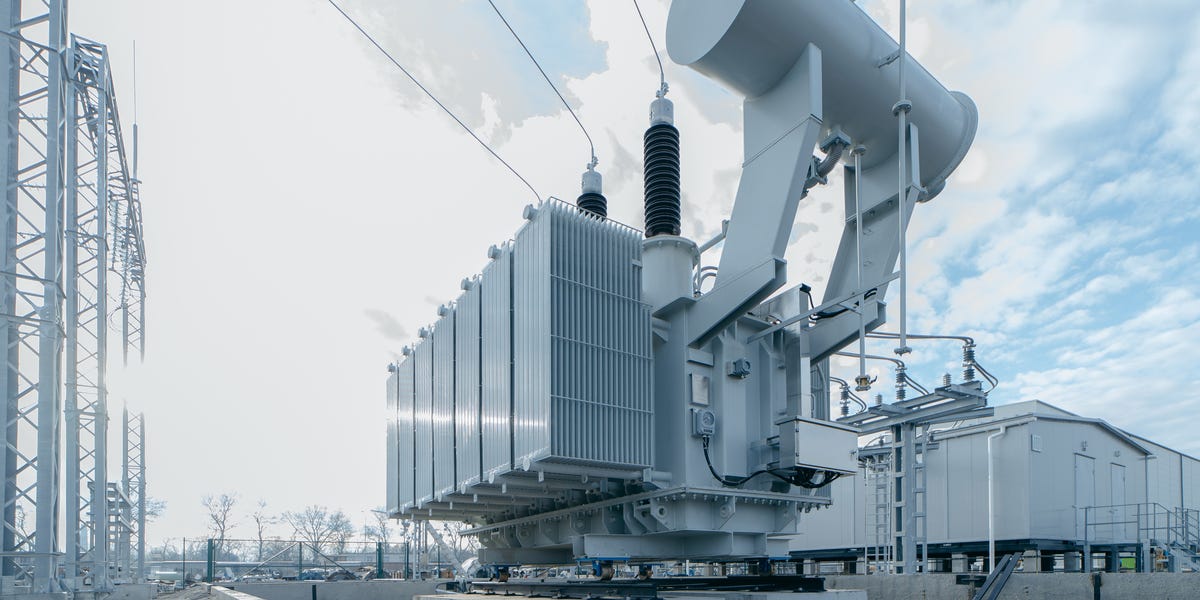
3 min readAs humanity entered the 21st century and the ravages of climate change became more and more apparent, the push toward electrification (replacing gas-powered cars, furnaces, and stoves with electric versions) really gained steam. At the same time, the electricity supply itself has been getting cleaner. According to Pew Research, solar power accounted for only 0.01 percent of the world’s electricity production back then, but fast-forward a quarter of a century, and that number is now nine percent and rising.But building out an electrified future isn’t as easy as sticking wind turbines in the ocean and vast solar arrays in the desert and calling it a day. These new forms of renewable energy also need to connect to the grid before they can supply us with that much-needed new power. Expanding the grid’s capacity to meet this ballooning demand was already going to be a tall order as more and more electric cars, ovens, and heat pumps came online. Now, the rise of power-hungry AI data centers has transformed that difficult task into a borderline impossible one for the simple reason that the U.S. may not have enough of the equipment—or the materials to make said equipment—to build the required infrastructure.In a new study published in the journal Cell Reports Sustainability, researchers at Johns Hopkins University report that critical grid equipment, such as transformers and converters, could become the bottleneck in powering a rapidly electrifying society. According to the researchers, demand for electricity isn’t anything new. In fact, it’s been steadily rising since Thomas Edison flipped the switch on the Pearl Street Station in 1882. But due to the rise of AI data centers, the electricity industry has entered a whole new era of demand growth.“When the demand for electricity started to grow faster than expected, it started to amplify all the cracks in the industry,” Yury Dvorkin, a Johns Hopkins researcher and co-author of the study, said in a press statement. According to Dvorkin and co-author Boyu Yao, electricity demand historically ticked up a percent or two each year. But now, largely because of data centers, demand is projected to grow 21 percent overall by the end of the decade.If this rapid demand growth persists, it will put considerable strain on supplies of specific materials, including copper, steel, nickel, aluminum, and manganese, needed to build the necessary transformers, which step up or step down the voltage of alternating current on the grid.“This type of equipment was taken for granted, but without it, you can build a data center or a power plant but it won’t be powered because you cannot connect it to the grid,” Dvorkin said. “By 2030 we’re likely to have transformer shortages even without the most aggressive power demand growth.”According to their projections, copper will run short in 2027, followed soon by steel and nickel, which will affect not just grid utilities but wind power infrastructure and electric vehicle charging stations. This shortfall isn’t necessarily news: a study by S&P Global earlier this year found that copper could experience a 10 million metric ton deficit by 2040. This deficit isn’t caused by a lack of copper in the ground, since the planet holds abundant copper resources. Extraction is where the industry is facing a crucial bottleneck.“Copper is abundant in the ground, but there’s not enough being extracted to be able to meet the demand,” authors of a copper market analysis wrote for The Conversation earlier this year. That’s because investors want higher and more reliable returns than copper mines currently offer, and the industry faces complex permitting processes and can’t find enough workers.This new study suggests that under its baseline scenario, the U.S. might be able to produce enough transformers yet still fall 16 percent short on other grid-related equipment. But with AI data centers supercharging demand, the study’s “high power demand” scenario is more likely. That scenario projects a 15 percent shortage of transformers and a 30 percent shortage of all other equipment. The authors also note that roughly two-thirds of this expected shortage can be attributed to AI data centers.“Utilities will compete for transformers with the data center industry,” Dvorkin said. “Transformers will first be delivered to whoever can pay the highest premium. Will it be a mom-and-pop utility or a big data center corporation?”I think we already know the answer to that question.Darren lives in Portland, has a cat, and writes/edits about sci-fi and how our world works. You can find his previous stuff at Gizmodo and Paste if you look hard enough.
You Can Build All the Power Plants You Want. Without This Overlooked Machine, None of Them Will Matter.
Full Article
Original Source
Read the full article at Popularmechanics →KhanList aggregates and links to publicly available news content. We do not host full articles from third-party sources. Always verify important information with original sources.