
Jump to:Pros of YogaDrawbacks of YogaPros of PilatesDrawbacks of PilatesWhich One Should You Choose?Yoga and Pilates have become fitness mainstays for good reason: Both are low-impact activities that work small muscles you didn’t even know you had. (Seriously, have the backs of your knees ever been sore?) They’re also effective forms of cross-training—especially for runners.Incorporating practices like these into your routine can help you stay healthy, build endurance, and reduce your risk of injury. That’s because running is a one-directional movement, meaning you can develop imbalances, says Shannon Rowbury, a BowFlex fitness adviser and three-time U.S. Olympic middle-distance runner and medalist. Running is also repetitive, which means that any imbalances can amplify over time, she continues.🏃🏻♀️ Learn how to balance running with complementary workouts that build strength and help prevent injuries in the Runner’s World Guide to Cross-Training.“Think about your car alignment—if it’s off, even just a little, over many miles a small wobble can lead to a major breakdown,” Rowbury says. “Cross-training is a fantastic resource for runners. Not only does it offload some pounding if your muscles and joints need some rest, but it also activates and strengthens the muscles that might tend to be overpowered by our prime movers.”Both yoga and Pilates can achieve this, but in different ways. So, which activity deserves a dedicated spot in your training schedule? We break down how yoga and Pilates stack up for runners, their advantages and disadvantages, and how to choose the right fit for your goals.Pros of YogaYoga can be a great complement to running, particularly for mobility, balance, body awareness, and recovery, according to Shavonne Wood, a certified yoga and Pilates instructor and marathon runner. When certain muscles feel tight, yoga can provide a structured way to move through different ranges of motion rather than just doing a few static stretches after a run, she explains.In addition to physical benefits, there are mental benefits as well. Training for a race can become very performance-focused in terms of pace, distance, heart rate, workouts, and race goals, Wood says. Yoga can give runners an opportunity to slow down, focus on their breathing, and move without another performance metric attached to it.Not to mention, yoga helps runners become more in tune with their bodies, allowing them to recognize when they might need a rest day from running or when they need to pull back to prevent burnout, overtraining, and injuries, according to Theresa DeLorenzo, yoga therapist, Pilates instructor, and owner of Nutrition for Optimal Performance.Drawbacks of YogaYoga varies enormously, according to Wood. A gentle mobility-focused class and a very intense power yoga class are completely different training stimuli. Runners need to consider where that session fits into their overall training load, she explains.Wood also cautions against assuming that having more flexibility is always better. “Runners need adequate mobility, but they also need stability and strength,” she says. “Someone who is already very mobile may not benefit from continually pushing deeper into stretches, and they may be better served by focusing on controlled movement and strength through their available range.”Rowbury agrees, saying that many of the more popular yoga movements are static stretches—held for 30 seconds or more—that increase range of motion. “If you’re a runner who tends to be stiff, you might need this. But if you’re seeking speed, you need some tension in the tendons to create that springy rubber-band effect. As a result, yoga might not be the best before a speed session,” she says.Pros of PilatesRowbury is a huge fan of Pilates, saying it had a positive impact on her running—especially postpartum. “I think of it as my core connector,” she says. “Before Pilates, my legs, arms, and core were each strong, but they weren’t well connected. Through Pilates, I was able to improve power transfer.”Think about the running motion and how your arms swing in counterbalance to your legs—that power is transferred through the core, Rowbury says.“I started doing Pilates postpartum in 2018,” Rowbury says. “After about a year of consistent work, I was running faster 200s as a 34-year-old mom than I ever ran in high school, college, or as a pro. Typically, you lose speed as you age, but Pilates has unlocked my speed by enabling me to activate my deeper core and connect all my parts.”Research backs this up: A small 2018 study in PLOS One found that those who followed a 12-week Pilates program ran a faster 5K afterward than those who didn’t do Pilates workouts.Drawbacks of PilatesA limitation of Pilates is that it shouldn’t necessarily replace traditional strength training, according to Wood. “Runners still benefit from progressive resistance training and appropriately loading muscles and bones,” she says. “I see Pilates as an excellent complement to running and strength training rather than a complete substitute for strength work.”Additionally, just like yoga, the quality and intensity of Pilates classes vary considerably. A class should be appropriate for the runner’s ability, injury history, and overall training load, Wood says.Which One Should You Choose? Both yoga and Pilates are excellent additions to any runner’s cross-training routine, according to DeLorenzo, as long as you don’t have any preexisting back or neck injuries. Regardless, anyone looking to start a new workout routine should get the green light from their healthcare provider first.With that being said, Pilates may have a slight edge over yoga, according to Wood. “Pilates provides more of the strength, stability, and movement-control components that complement the repetitive nature of running particularly well,” she says. “It can also incorporate a significant mobility and stretching component, so runners can still get some of the flexibility and range-of-motion benefits they may be looking for from yoga while also working on strength and stability.”Rowbury suggests aiming for one or two Pilates sessions per week and two or three yoga sessions per week to keep your core engaged and maintain mobility and range of motion.Ultimately, though, the best cross-training activity is the one you enjoy enough to do consistently, according to Wood. “If a runner loves yoga and hates Pilates, I would much rather see them consistently practice yoga than the theoretically ‘perfect’ activity they never actually do.”Danielle Zickl is a freelance writer who has 10 years of experience covering fitness, health, and nutrition. She's a graduate of Ithaca College. You can find her work here on Women's Health, and in many other publications including PS, SELF, Well+Good, Runner’s World, Outside RUN, Peloton, Men’s Fitness, and more.
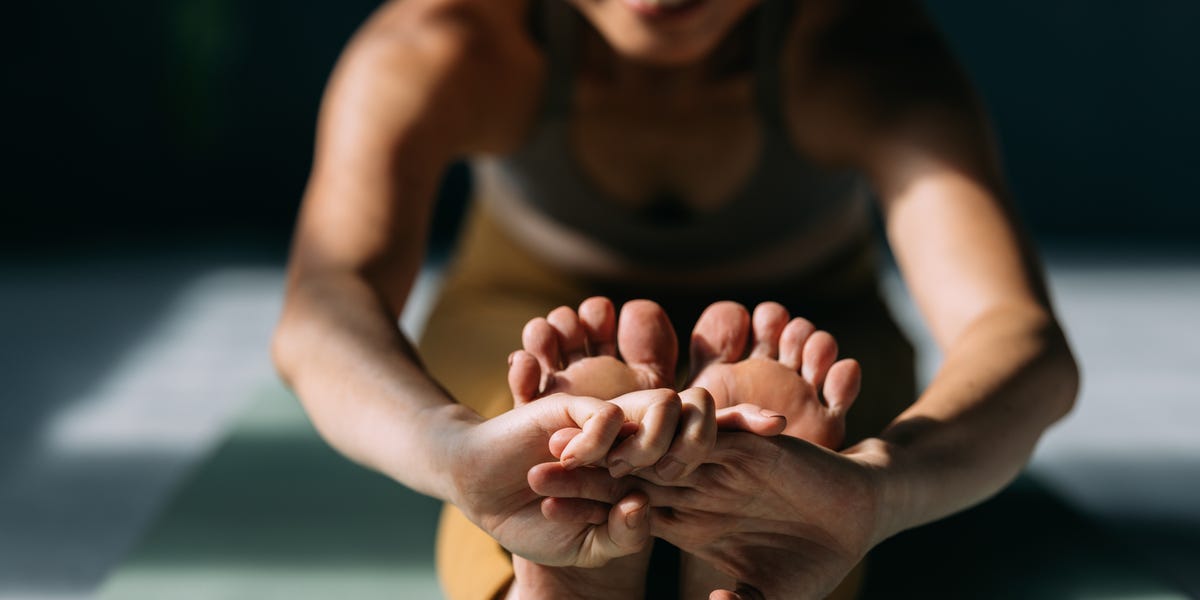
Yoga vs. Pilates: Which Is the Better Cross-Training Workout for Runners?
Full Article
Original Source
Read the full article at Runnersworld →KhanList aggregates and links to publicly available news content. We do not host full articles from third-party sources. Always verify important information with original sources.