
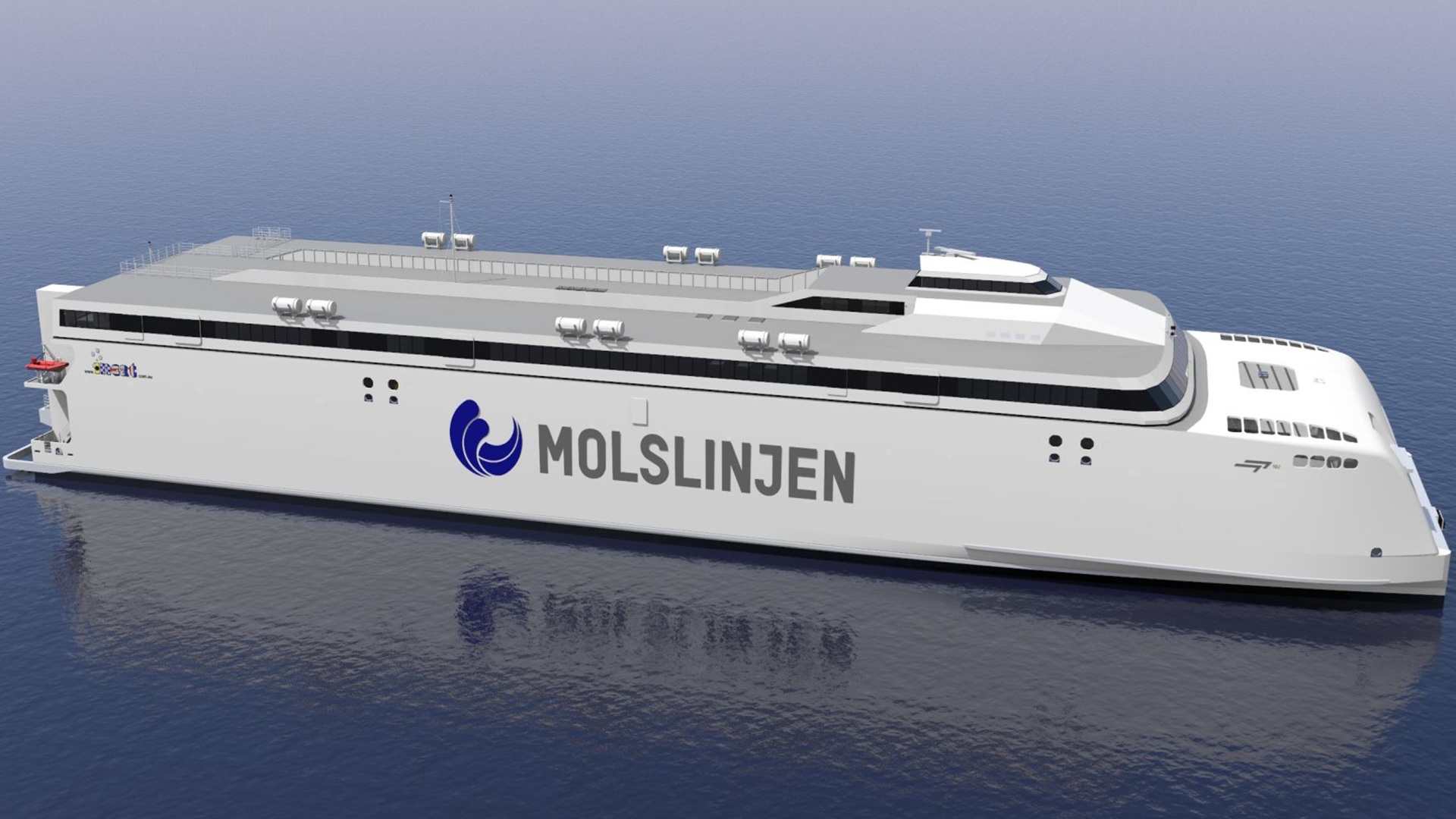
Key TakeawaysThree giant electric ferries will feature LFP batteries with a combined energy storage capacity of 165 MWh, or 55 MWh per vessel.Each ferry will carry up to 1,500 passengers and 500 vehicles, reach speeds of 40 knots, and support charging in just 30 minutes.The ferries will operate between Jutland and Zealand in Denmark, with the first vessel expected to enter service in early 2028. Three colossal electric ferries will be fitted with some of the world’s largest lithium iron phosphate (LFP) marine batteries, which will have a combined energy storage capacity of 165 megawatt-hours (MWh). The batteries will be supplied by AYK Energy, a marine battery manufacturer, for Danish ferry operator Molslinjen. The company has secured what it describes as the largest battery contract in ferry history. Each vessel will feature a 55 MWh DNV type-approved Polaris battery. The ferries will carry up to 1,500 passengers and 500 vehicles each, reach speeds of up to 40 knots (46 miles per hour), and support high-capacity charging in just 30 minutes. At the moment, the three fully electric catamarans are under construction at Incat Tasmania in Australia. Once delivered, they will become Europe’s largest electric ferries. “AYK is immensely proud to provide our new Polaris battery systems for these,” Chris Kruger, AYK Energy’s founder, pointed out. More power, less weight According to Kruger, the original batteries weighed over 772 US tons (700 tonnes) each. However, their engineers managed to reduce the weight to less than 441 US tons (400 tonnes). “We decided to rethink the battery’s design from the ground up to reduce weight and improve performance,” he revealed. This represents a reduction of more than 331 US tons (300 tonnes), which was a decisive factor in securing the contract. The company achieved this by using new battery cells, manufacturing techniques inspired by the automotive industry, as well as a lighter aluminum structure. The batteries rely on LFP chemistry for greater safety. “This is not a car where the driver can simply step out onto the road if there is a fire,” Kruger noted. “This is the reason AYK secured the first type approval of LFP battery technology, which is considerably safer than the previously used NMC chemistry.” Meanwhile, Carsten Jensen, Molslinjen’s CEO highlighted that battery weight was crucial because the vessels must travel at high speeds across Denmark’s Kattegat. “This provides a proven level of safety that is on a par with, or probably even better than, what we have with diesel today,” he added. Electric ferries for Denmark The three new ferries will operate between Jutland and Zealand. They will use fully electric systems instead of conventional propulsion. AYK Energy will provide the DNV type-approved Polaris batteries through an agreement with Wärtsilä, which will provide the integrated electric propulsion systems and waterjets. “The speed how AYK is bringing latest LFP technologies into the marine industry is impressive,” Torsten Büssow, PhD, Director of Electrical Integration at Wärtsilä, said in a press release. “For large ferries we have to find a balance between short high power charging and long high energy sailing times combined with a weight challenge on aluminum catamarans like these.” The first vessel is expected to arrive in Denmark in late 2027 and enter service in the first quarter of 2028. The remaining two are scheduled to arrive in 2028 and 2029. Meanwhile, the initiative also strengthens AYK Energy’s presence in the shipping market. The company has previously supplied two 12 MWh batteries for Brittany Ferries’ hybrid-electric vessels, Guillaume de Normandie and Saint-Malo. It also delivered a six MWh battery for Svitzer’s battery-methanol tug and secured an agreement to supply Germany’s new polar research vessel, Polarstern.Get the latest in engineering, tech, space & science - delivered daily to your inbox.Based in Skopje, North Macedonia. Her work has appeared in Daily Mail, Mirror, Daily Star, Yahoo, NationalWorld, Newsweek, Press Gazette and others. She covers stories on batteries, wind energy, sustainable shipping and new discoveries. When she's not chasing the next big science story, she's traveling, exploring new cultures, or enjoying good food with even better wine.
World’s largest LFP ferry batteries to power three giant electric ships with 165 MWh
Full Article
Original Source
Read the full article at Interestingengineering →KhanList aggregates and links to publicly available news content. We do not host full articles from third-party sources. Always verify important information with original sources.