
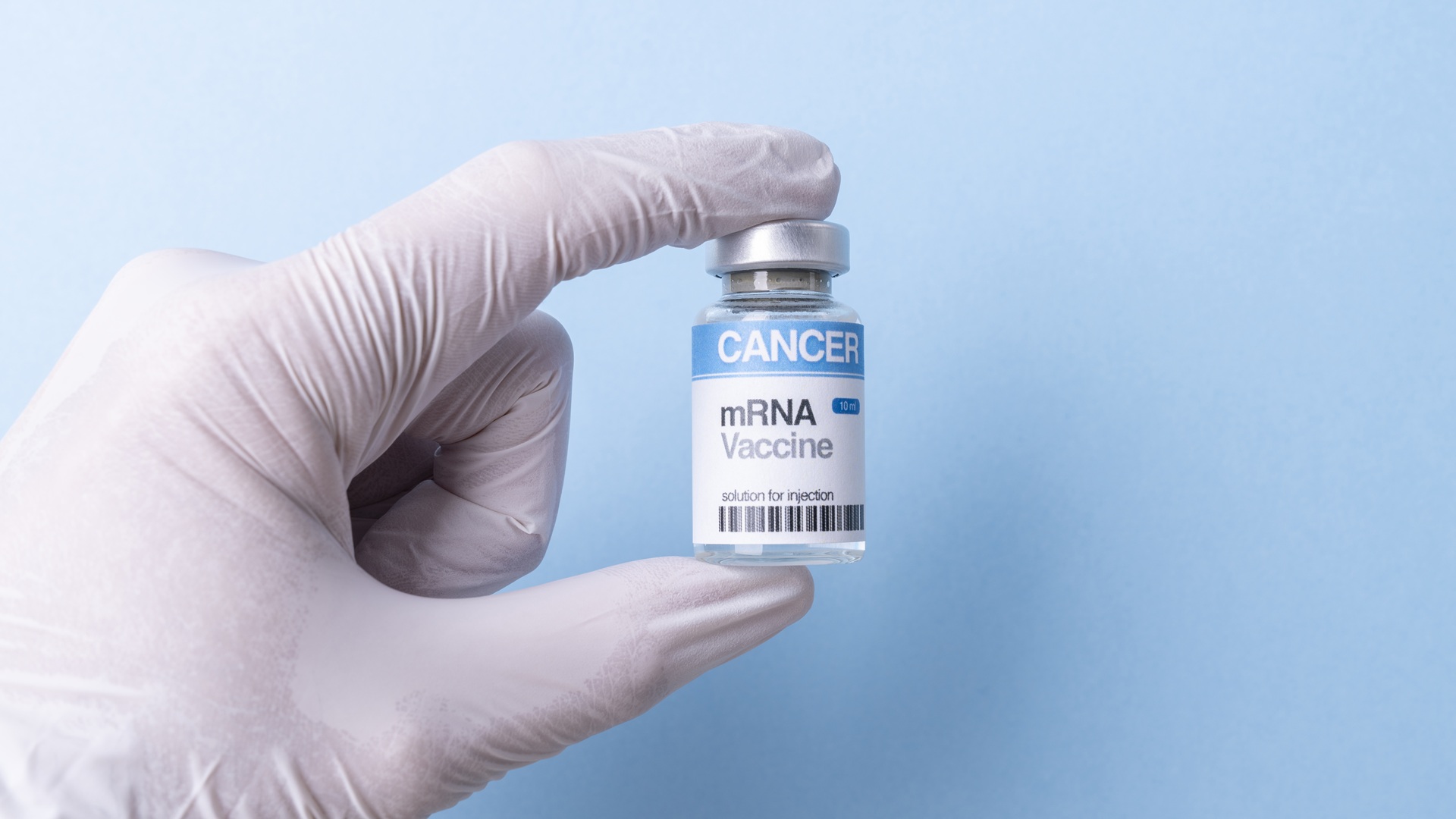
US pharmaceutical and biotechnology firm, Moderna, gained fame in 2020 after developing one of the first effective mRNA COVID-19 vaccines. Now, along with Merck, it has unveiled a personalized mRNA vaccine that shows massive promise in preventing melanoma from returning. Called intismeran autogene (or mRNA-4157/V940), the messenger RNA (mRNA)-based individualized neoantigen therapy (INT) comes encapsulated in solid lipid nanoparticles. It contains up to 34 mRNA sequences. The tumor-specific neoantigens train the immune system to recognize and attack a patient’s cancer cells. They are reportedly chosen by an algorithm based on the specific genetic “fingerprint” of each patient’s tumor. While a post on X claimed the algorithm relies on AI, Moderna has not officially confirmed AI usage. The vaccine recently met the main goals of a global Phase 3 trial when combined with Merck’s Keytruda, an immunotherapy drug for different cancers, proved that it could help prevent high-risk melanoma from spreading again after surgery. A different kind of vaccine Scientists first tested mRNA vaccines in mice in the 1990s, decades before their 2020 COVID-19 debut. However, unlike the mRNA vaccines that became known during the pandemic, intismeran is not a one-size-fits-all treatment. Each dose is essentially custom-built around the cancer of one patient. And its development has taken more than a decade. Researchers start with a sample of the patient’s tumor and evaluate its mutations. They later identify neoantigens, which are forms of abnormal proteins associated with cancer cells, that could provide targets for the immune system. The therapy uses synthetic mRNA encoding up to 34 of these neoantigens. Once administered, the mRNA provides instructions that allow them to be presented to the immune system. The goal is to trigger T-cell responses that can recognize and attack cancer cells carrying those specific targets. For the study, the research team combined intismeran with Keytruda that blocks interactions between the PD-1 receptor and its ligands. This helps activate T cells against tumor cells. The Phase 3 trial involved 1,137 people with cutaneous melanoma. The patients had stage IIB, IIC, III or IV disease and had undergone complete surgical removal of their tumors. Encouraging findings The trial participants were randomly assigned in a 2:1 ratio to receive intismeran plus Keytruda or Keytruda alone. Intismeran was given every three weeks for up to nine doses and Keytruda was administered every six weeks. The patients could receive treatment for about a year. Interim results showed significant and clinically meaningful improvements in both endpoints. The two companies have not yet released the entire Phase 3 data. The trial will continue to track patients, including how long they survive. Additionally, no new safety concerns were found, and the treatment’s safety was similar to earlier studies. Merck and Moderna plan to present the results at an upcoming medical meeting and discuss possible approval with regulators. Earlier Phase 2b results showed huge promise. After five years, the combo cut the risk of the cancer returning or death by 49 percent. It also reduced the risk of the cancer spreading to other parts of the body or death by 59 percent compared with Keytruda alone. The team believes that the technology could eventually be used to treat several melanoma types. Moderna and Merck are currently testing the approach in nine Phase 2 and Phase 3 trials covering lung, bladder and kidney cancers. Georgina Long, PhD, the study’s principal investigator, said the findings show the potential of personalized cancer treatment to reduce melanoma recurrence, or death. “Today’s results represent a landmark moment for adjuvant melanoma treatment,” Long concluded in a press release. “Intismeran in combination with pembrolizumab has the potential to establish a new treatment paradigm in the adjuvant melanoma setting, helping patients remain cancer-free for longer.” Get the latest in engineering, tech, space & science - delivered daily to your inbox.Based in Skopje, North Macedonia. Her work has appeared in Daily Mail, Mirror, Daily Star, Yahoo, NationalWorld, Newsweek, Press Gazette and others. She covers stories on batteries, wind energy, sustainable shipping and new discoveries. When she's not chasing the next big science story, she's traveling, exploring new cultures, or enjoying good food with even better wine.
World’s first personalized mRNA cancer vaccine succeeds in US Phase 3 trial
Full Article
Original Source
Read the full article at Interestingengineering →KhanList aggregates and links to publicly available news content. We do not host full articles from third-party sources. Always verify important information with original sources.