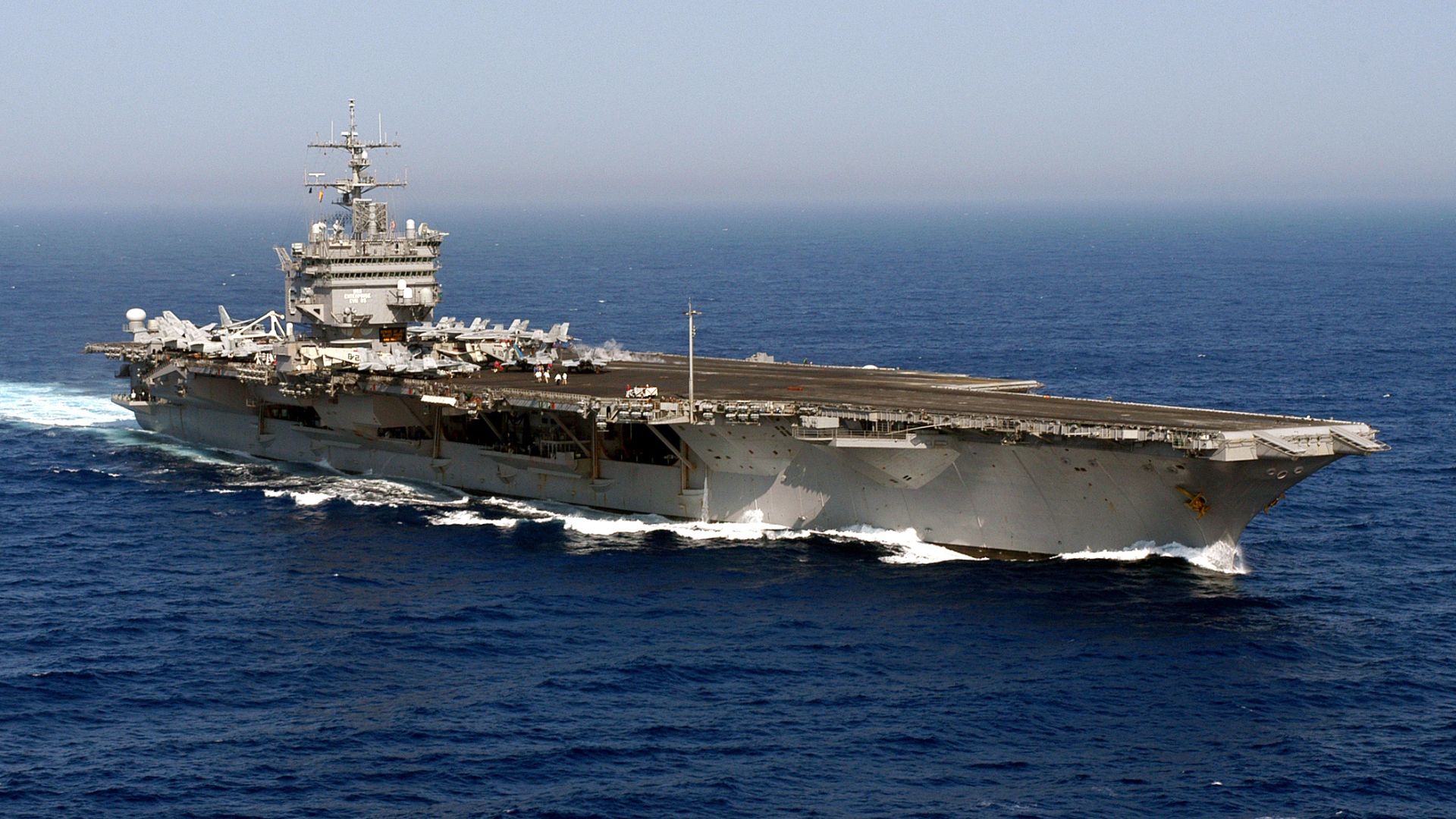
The U.S. Navy has chosen NorthStar Maritime Dismantlement Services to dismantle USS Enterprise (CVN-65) under a $418.5 million contract, clearing the way for the retirement of the world’s first nuclear-powered aircraft carrier after years of planning and legal challenges. Crews will take apart the retired vessel in Mobile, Alabama, recycle recoverable materials, and send hazardous waste, including low-level radioactive material, to licensed disposal sites. The Navy expects the work to finish by September 2030. Historic warship’s final mission Few warships have left a mark on the U.S. Navy like Enterprise. Commissioned in 1961, it became the first aircraft carrier powered by nuclear reactors and remained in service for more than half a century. Its design was unlike any carrier that followed. Engineers equipped Enterprise with eight nuclear reactors, giving it exceptional endurance during long deployments across the globe. The carrier served during the Cuban Missile Crisis, flew missions over Vietnam, and later supported operations in Afghanistan and Iraq. It also completed one of the Navy’s most ambitious demonstrations of nuclear propulsion in 1964. During Operation Sea Orbit, Enterprise sailed around the world with two other nuclear-powered warships without stopping to refuel, proving how far nuclear-powered vessels could operate independently. The Navy retired the carrier in 2012 and removed its nuclear fuel five years later. Since then, Enterprise has remained at Newport News Shipbuilding in Virginia as officials worked through the technical and regulatory challenges of dismantling a one-of-a-kind ship. Contract awarded twice NorthStar appeared set to handle the project last year after winning a $536.7 million contract through a competitive bidding process. That decision did not last. Another bidder argued that a malfunction in the federal procurement system prevented its proposal from reaching the Navy before the deadline. The U.S. Court of Federal Claims agreed the issue deserved another review and directed the Navy to reopen the competition. After a second round, NorthStar emerged as the winner again. The new agreement carries a price tag of $418.5 million, about $118 million lower than the original award. The Navy structured the agreement as a firm-fixed-price contract, placing responsibility for any cost overruns on the contractor instead of taxpayers. Nearly all of the funding, about $415.5 million, comes from fiscal 2025 Navy operations and maintenance accounts and became available when the award was signed. Setting the pattern ahead Workers will dismantle Enterprise piece by piece over the next several years. Steel that does not pose a safety risk will enter conventional recycling channels. Specialists will package radioactive and other hazardous materials separately before transporting them to approved disposal facilities. Around 35,000 tons of recycled steel from Enterprise may reportedly find its way into USS Enterprise (CVN-80), the future Gerald R. Ford-class aircraft carrier that will carry the famous name into its next generation. The project extends beyond a single vessel. Enterprise is the first U.S. nuclear-powered aircraft carrier to go through full commercial dismantlement, making it an important reference for the Navy as today’s Nimitz-class carriers begin approaching retirement. The experience gained over the next four years is expected to shape future projects involving some of the fleet’s most complex warships.Recommended ArticlesGet the latest in engineering, tech, space & science - delivered daily to your inbox.Aamir is a seasoned tech journalist with experience at Exhibit Magazine, Republic World, and PR Newswire. With a deep love for all things tech and science, he has spent years decoding the latest innovations and exploring how they shape industries, lifestyles, and the future of humanity.
World’s first nuclear-powered aircraft carrier to be dismantled in $418M US Navy deal
Full Article
Original Source
Read the full article at Interestingengineering →KhanList aggregates and links to publicly available news content. We do not host full articles from third-party sources. Always verify important information with original sources.