
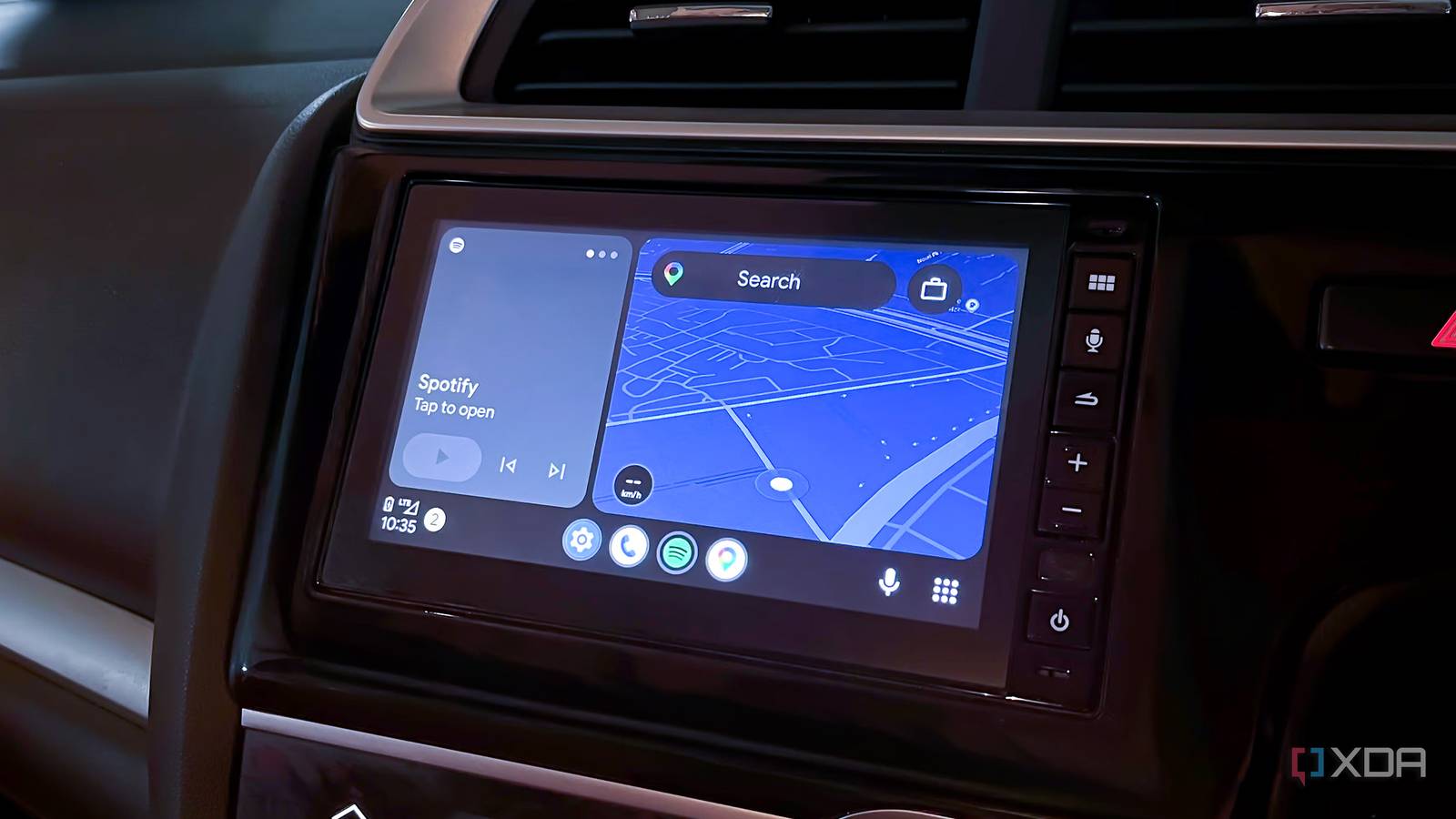
Published Oct 9, 2026, 8:30 AM EDT With over five years of experience in the tech industry, Kazim excels at simplifying complex topics, making them accessible to tech enthusiasts and general readers alike. He has extensively covered the Windows ecosystem, from Windows 7 to Windows 11. When he’s not writing, you’ll find Kazim planning weekend getaways or diving into tech verticals beyond his expertise. I generally prioritize wireless connectivity over wired options for convenience. Between Ethernet and Wi-Fi, I would choose Wi-Fi for my laptop because, frankly speaking, it's a portable device meant to be carried around the house, and a wired connection just ties it down. However, when it comes to Android Auto, or even CarPlay for that matter, I would go with a cable every time, and I have my reasons for that. It's not like I haven't tried wireless Android Auto or Apple CarPlay. I have for a few months, and it did solve the cable problem. Still, I've realized wired is simply better for me. It may not be for everyone or in every situation, but the problems I faced with wireless Android Auto were, simply put, a deal-breaker. A few months later, with wireless Android Auto and CarPlay, I realized that fixing the cable problem isn't a good enough reason to give up what actually matters. Battery life took a hit Wireless connectivity takes a toll on the battery The first thing I noticed after switching to wireless Android Auto was that my phone's battery didn't last as long. That's expected, since your phone isn't being charged at the same time, and it may not be a big problem for many. But with a three-year-old phone, the impact was more significant than I initially anticipated. And it was something I wasn't willing to compromise on. I know you could connect your phone to the 12V lighter socket and get faster charging, but that negates the very purpose of wireless connectivity. Your phone is still hooked up with a cable. Personally, that trickle charge from the Android Auto/Apple CarPlay-compatible port doesn't bother me. My phone's battery level is always higher when I step out of the car than when I step in, and it's all that matters. The occasional lag Wired is generally more reliable Despite being in such close quarters, the wireless connection between the car's head unit and my phone wasn't always seamless. I experienced lag on a couple of occasions. I never experienced that when my phone was connected by cable. And it wasn't just the occasional lag. Sometimes the system froze for a couple of seconds when I tapped the screen too many times in quick succession. You can overlook this part on a short city drive, but on highways, when you are cruising at higher speeds, you want the system to be lag-free and responsive. Wired Android Auto and CarPlay have consistently delivered that for me, and there were times I actually regretted switching to a wireless connection. Thankfully, I had a cable most of the time, so whenever the connection acted up, I hooked my phone up to it. Overheating issues My biggest concern This was perhaps my biggest problem with the wireless setup, both on CarPlay and Android Auto. Honestly, I can deal with battery drain and the occasional lag, but not overheating. Because when your phone overheats, performance takes a hit, and it eventually affects the wireless connection. Again, it's understandable for a phone to overheat, especially one that's fairly old, since it actively uses both Wi-Fi and Bluetooth, but for me, it's happened far too often. I guess it may also have to do with where I live. It's hot here for most of the year. I eventually found a workaround — keeping my phone in a cupholder with an AC vent right behind it — but it wasn't ideal. Once you lose portability, there's really no point in going wireless, whether it's Android Auto or Apple CarPlay. And given the other problems I faced (as discussed later), wired Android Auto made more sense. Wireless Android Auto isn't for everyone Yet it's a better choice for some I have tried it, and I have come to the conclusion that wireless Android Auto doesn't suit everyone. It's not just me. If you look at the forums, you will see these are common concerns. And it's not that Android Auto or Apple CarPlay are badly designed. In many cases, it's the car's head unit to blame. Sometimes, it's your phone. Or, if you are using an adapter to add wireless capabilities to your car, that could be the culprit, too. For me, moving back to the cable, something I wanted to get rid of, fixed things. That said, I also know that the system works flawlessly for others. There may be some occasional hiccups, but for the most part, wireless Android Auto works as well as the wired connection, or sometimes even better. And let's be honest, there's no denying the fact that it's a lot more convenient. Having the phone hooked to your car via a cable isn't the most pleasant experience, but it's a price I have to pay for a stable connection, longer battery life, and to avoid overheating. I ultimately switched back to a wired connection I went back to the cable because I had to, but if wireless Android Auto works well for you, there's no reason you can't do the same. It all comes down to preferences and personal experience. But I also want to highlight a couple of things I noticed that could be seen as downsides. On wireless Android Auto, the audio quality wasn't as good. Of course, an average user may not notice the difference, but some people can. Also, when my spouse and I got into the car together, the head unit would sometimes connect to her phone instead of mine (and vice versa), since both were paired, and we would have to spend the next minute fixing it. Frankly, these aren't major annoyances, and I can happily live with them. But the three that I did face were deal-breakers, things that ultimately made the cable feel like a valuable addition to the setup and not a problem that I thought it was.
Wireless Android Auto solved one problem for me, and then created 3 more
Full Article
Original Source
Read the full article at Xda-developers →KhanList aggregates and links to publicly available news content. We do not host full articles from third-party sources. Always verify important information with original sources.