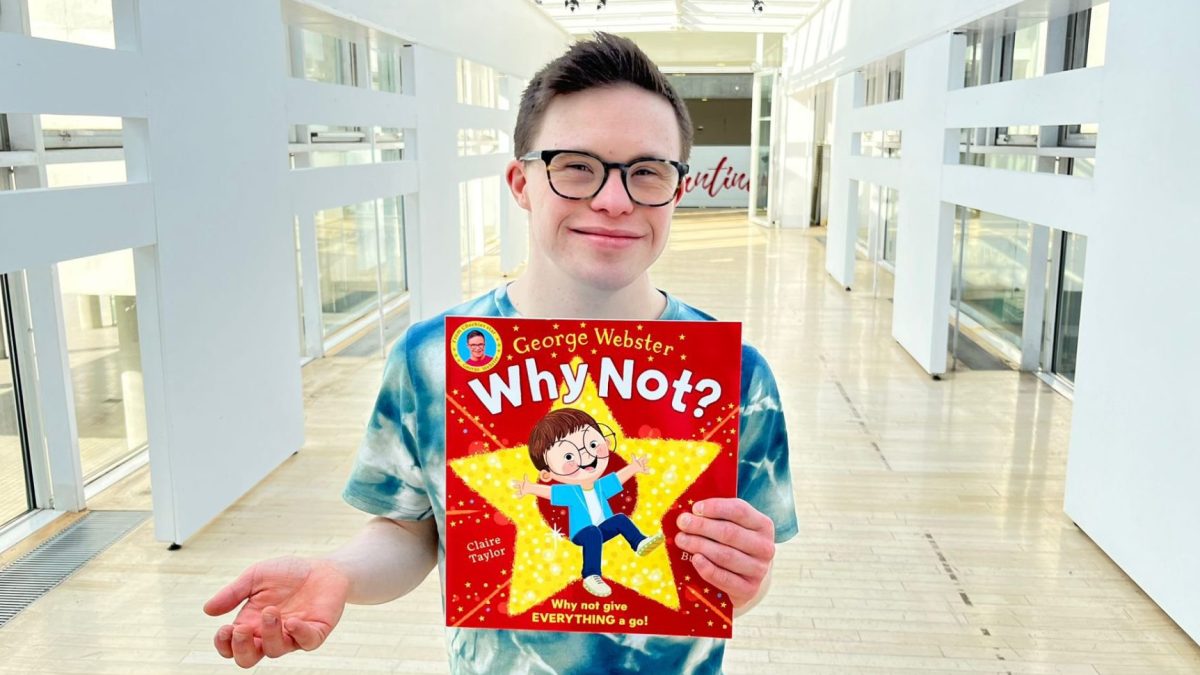
When I became the BBC’s first presenter with Down syndrome, it was a proud moment – not just for me, but for what it said about what people with a learning disability can achieve. I became one of a handful of people who represented one of the most beloved channels not just on the BBC, but anywhere. I was beamed into the homes of millions of people. As a presenter in the CBeebies House I film links, dance, host festivals, do live TV and live shows. I became an equal part of a team that feels like a family. One of the key things was the BBC saw me for me, not my disability, which helped make sure that people saw “George” not “Down’s George” – their stereotype of a person with a learning disability. I’ve gone on to work as an actor, dancer and author, and even won a Bafta. But I know I didn’t get here on my own. I had support. I had people who believed in me. Most importantly, I was given a chance. Growing up, I had lots of amazing support from my family, friends, teachers at school, the NHS, Asas, Holiday Playscheme, the council and charities like Leeds Mencap, and local Down syndrome support groups. They helped me with things like my speech and language skills, physical development, communication, reading and developing independence. Theatre, dance and music schools like Stage Door and Meshdance funded by charities and the local council, helped me to get in the arts. Later on, I was picked as one of the company members for Talent Hub to make a dance piece, Helm, which we went on a short national tour with. I grew up going to the local schools – two mainstream ones. As a result, I have friends who have a learning disability and friends who don’t. At school, we did Makaton – which uses signs and symbols to help communication – and Numicon, a shape-based way of doing maths. Everyone benefitted as other kids struggled with speech and maths! I had a teaching assistant with me in class, did speech therapy sessions, practising reading with sixth formers, extra English and extra maths lessons and so on. I was also included as well. I was a prefect and a member of the school council, did shows and went on all the trips. I even helped to interview for a new headteacher. Everyone tried to focus on the things I could do, not what I could not do. I still can’t tie my laces or do fiddly buttons. My fine motor skills are no good. My speech can be jumbled and sometimes I have to slow down. And yes I have Down syndrome that affects other parts of my health and life. But growing up everyone helped focus on my ability not my disability. All this support I had whilst I was growing up has meant a lot to me. I wouldn’t be where I am without them. And I feel super grateful that people helped me dream big. And that’s what too many people with a learning disability in the UK still don’t get. Most of us want to work. Having a job means independence, confidence and purpose. But only a small number of people with a learning disability are in paid employment. That’s not because people can’t do the job – it’s because too often they’re never given the opportunity to try. New research from Mencap shows something surprising. Many employers say they believe people with a learning disability can be valuable employees. Yet far fewer actually hire them. So, what’s stopping them? Often, it’s worry about getting things wrong – saying the wrong thing, offering the wrong support, or not knowing where to start. But the reality is much simpler than people think. The adjustments people need aren’t complicated or expensive. It might just mean clearer instructions, a bit more time to learn, or small changes to how tasks are explained. Things that benefit everyone, not just people with a learning disability. I started working at 21Co, a local café, as a barista. They supported me by having visual menus, training that was done in a supportive way and a mixed team of people with and without disabilities. At the BBC, they make sure I get my scripts before shooting days so I can read through them and learn them. I have a chaperone to help get me to and from locations and with things like fiddly buttons and laces. And they play to my strengths. My story and the stories of others show what’s possible when people are given a chance. In my first job as a barista, people loved having me in the team for my positivity. At the BBC, my recruitment to CBeebies was headline news and was felt around the world. It went viral. I had positive messages from people across the UK, and right across the planet! It was seen as a massively positive thing, and I absolutely loved it and was super proud of myself and the BBC. When I meet families, they tell me I am a role model who gives them hope for their kids – whoever they are and however they look. Because this isn’t just about fairness. It’s about potential. Employers who open their doors to people with a learning disability often find loyal, hardworking employees who bring new perspectives to their teams. Like me! Right now, the UK is talking a lot about growth and getting more people into work. We’re missing a huge opportunity sitting right in front of us. There are 1.5 million people with a learning disability in the UK. Imagine what could happen if more of them had the chance to work. So, my message to employers is simple: be open. Don’t assume you’ll get it wrong. Take that first step. You might be surprised by what people can achieve. I know I was given a chance. It changed my life. It could change many more. This week I have been… Visiting… different schools to talk to the kids about my latest book (George and the Dragons: Lava Goes Wild), as well as my career, being different and how we are all unique and talented. It’s been great meeting the lovely kids and listening to their incredible answers to my question – “what makes you glow?”. They said things like “being different”, “being a good friend”, “being kind”, “my mum and dad” and “having lots of different friends who are different to them”. Such an uplifting experience to be a part of! They really do inspire me. Watching… films at home and at the cinema with my mates, including lots of horror and science fiction. I’m a massive movie buff when it comes to horror films and lot of other mainstream genres of film. Me and my co-presenter Rhys Stephenson constantly chatter about films and Dr Who in the CBeebies House. I also love musical theatre and have been catching up and singing along to this year’s West End Live on YouTube in my man cave! As ever, when I get time I enjoy watching dances from one of my favourite TV shows: Strictly Come Dancing. I love to copy the dance moves when I’m watching it. It’s also one of my specialist subjects! It was a dream come true to be in the Christmas Special. I also love EastEnders and catching up with my Nana Beryl on the latest episodes. We love to chat non-stop but my Dad hates EastEnders as he says it’s miserable! Running… I have been able to get back to my local parkrun which is Woodhouse Moor in Leeds, seeing my friends, having a coffee and a chat after the run. It’s been good to be at my run club Hyde Park Harriers and to see my personal trainer Craig in the gym. Hyde Park Harriers is a very fun run club with lots of groups and lots of socials. I like to keep fit and healthy, and have a beer with my mates afterwards. George Webster can be seen every day in the CBeebies House, his books are published by Scholastic and available now
Winning a Bafta wasn’t my biggest achievement – breaking into TV was
Full Article
Original Source
Read the full article at Inews →KhanList aggregates and links to publicly available news content. We do not host full articles from third-party sources. Always verify important information with original sources.