
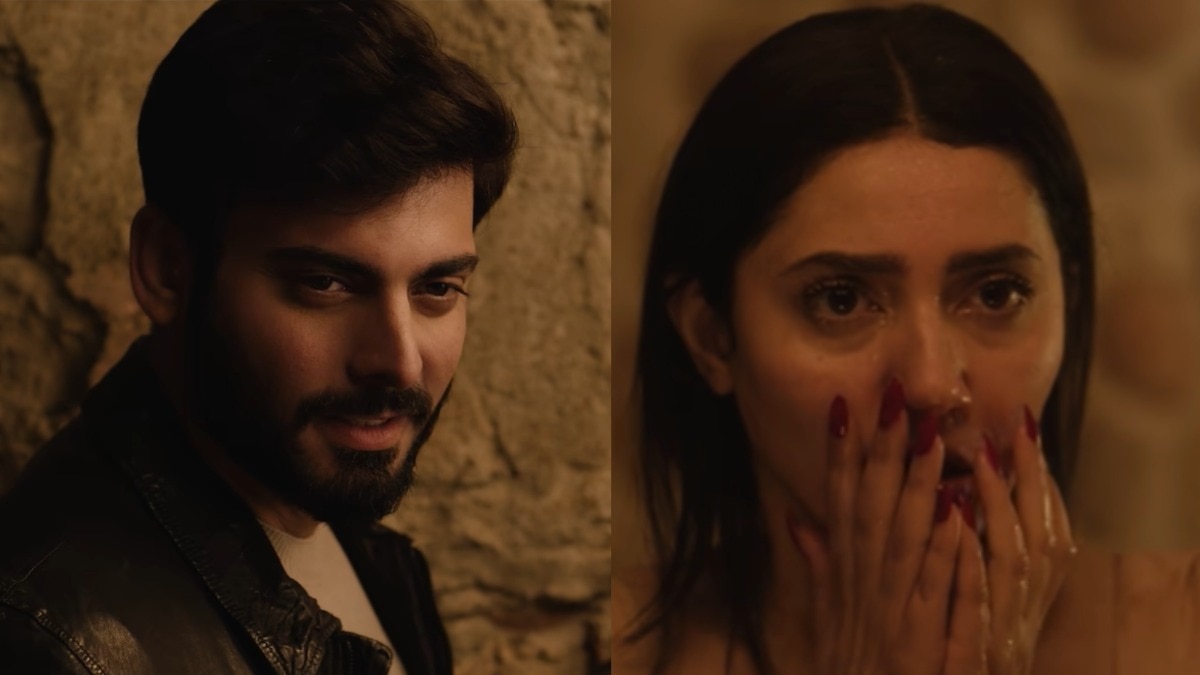
Netflix's first-ever Pakistani original, Jo Bachay Hain Sang Samait Lo, has found itself at the centre of a cross-border controversy, with India emerging as a crucial market it may not be able to tap. The timing is particularly significant as Pakistani serials are finding renewed love on social media, with Indian viewers increasingly discussing their stories, performances and actors. But will keeping the Fawad Khan-Mahira Khan-starrer off its Indian platform actually hurt Netflix?Industry experts and social media opinions are divided. While some believe the streaming giant could be staring at a sizeable audience and viewership loss, others argue that the controversy has handed the series something money cannot easily buy: massive publicity.With the show generating buzz well beyond Pakistan, could the India ban end up fuelling its appeal in other markets?The Ministry of Information and Broadcasting, on Thursday, reminded Netflix of its May 8, 2025, advisory directing OTT platforms and digital intermediaries operating in India to discontinue access to content originating from Pakistan after the Pahalgam terrorist attack. The development followed complaints over the proposed Indian release of Jo Bachay Hain Sang Samait Lo, which features Fawad Khan, Mahira Khan, Hania Aamir, Ahad Raza Mir, Iqra Aziz and Sanam Saeed. The series, based on Farhat Ishtiaq's bestselling Urdu novel, is Netflix's first Urdu-language original and is scheduled to premiere globally on December 4. However, with its availability in India now in question, the bigger question is whether the loss of one of Netflix's major potential markets could affect the show's reach.Trade analyst Taran Adarsh believes India is a significant market for the series and that Netflix stands to lose viewers because of the development. Speaking exclusively to India Today, he said, "India is a huge market. And they'll be losing out, yeah. And they should feel the pinch." When asked whether Pakistan's domestic audience could compensate for the loss of Indian viewers, Adarsh said, "I doubt it. Pakistan is not a huge market for that field. The main market is India." He also believes Indian viewers were an important target audience for the series. When asked whether the makers wanted to tap into the Indian market, he said, "Definitely. Because India has a huge market," adding that he supports the government's position on Pakistani content not being streamed in India.A post on X highlighted the difference between Netflix's subscriber base in India and Pakistan, arguing that the Indian audience could have been central to the show's commercial prospects.The post read, "India has 2.5 crore Netflix subscribers. Pakistan has 50,000. The first Pakistani Netflix series isn’t made for Pakistanis—50,000 subscribers can’t fund a big production. It’s made for Indian viewers. If India blocks its release, Netflix will never again make a series for or about Pakistan. This becomes Pakistan’s first and last Netflix original. The decision is entirely with the Government of India."While the post went viral, it has added another dimension to the discussion, particularly around the commercial viability of Pakistani content on global streaming platforms without access to the Indian market.Film writer and columnist Sreedhar Pillai, believes the development may not have a significant impact on Netflix as a platform, although the series could have attracted a considerable Indian audience.He points out that Pakistani television shows had found popularity among Indian viewers in the past, particularly because of their Urdu language and storytelling."I think this Jo Bachay Hain Sang Samait Lo would also have been looking at tapping that market. Because of the controversies and because it's from Pakistan, it would have caught a good viewership," Pillai told India Today.Pillai also believes Netflix would have considered India while acquiring the series. Highlighting the difference between the two countries' subscriber bases, he said, "They definitely have the India market alive. How many Netflix viewers are there in Pakistan?"He adds that Pakistan has around 50,000 Netflix subscribers, compared with an estimated 25 million in India.However, Pillai feels the platform has other markets to fall back on, including Indian audiences living abroad. "You should also look at NRI audiences outside India. Let's not look at India alone. You look at the UK, Europe and the US, and I'm sure the series would really work," he said.The subscriber figures offer an indication of the market Netflix could have had in mind while acquiring Pakistani content. The platform's reach for such shows is not necessarily limited to Pakistan, but could extend to Urdu and Hindi-speaking audiences in the Gulf, the UK and North America. A 2023 report by Crux, according to a report by NewsBytes, noted that Pakistan accounted for only around 300,000 of Netflix's 232 million subscribers worldwide.This suggests that the series was unlikely to have been conceived solely for the Pakistani market, with international audiences also potentially forming a significant part of its viewership. While the show is majorly set in Rome, it was shot in the UK, Italy and Pakistan.He also believes the controversy has given the show considerable publicity. "It's got great publicity, and it's got free publicity also," Pillai said, predicting that the series would attract attention on piracy platforms.Producer and film business expert Girish Johar, meanwhile, believes Netflix would have been aware of the possibility of the series not being available in India when it acquired the content.According to Johar, Indian audiences have plenty of entertainment options and are unlikely to feel the absence of one show. He also said Netflix would have to comply with the government's directions."I don't think the audience are going to miss out on anything on that specific front. As far as Netflix is concerned, it has to comply with government orders," he told India Today.Here's the trailer of Jo Bachay Hain Sang Samait Lo: Johar believes Netflix would have considered other markets while working out the business economics of the project. He pointed out the popularity of Pakistani content in the Middle East and Southeast Asia."Pakistani content does resonate with the audiences in Middle East, Malaysia, Singapore and other Southeast Asian countries. So I'm sure that while they would have been procuring the content, they would have kept those markets, which are strong markets in mind," he said.He further suggests that the show's domestic audience in Pakistan could be sufficient if the content connects with viewers, with audiences in other markets adding to its reach.Writer Dhiraj Mishra, who has been associated with films like Sarojini and Gaalib, however, believes the controversy could end up benefiting Netflix rather than hurting it. He argued that the discussion around the series has given it visibility across markets, even before its release."Netflix will suffer zero loss. Netflix is going to benefit a lot," Mishra told India Today.He believes the platform would have anticipated objections to Pakistani content being streamed in India. According to him, the controversy has generated curiosity among viewers who may otherwise not have heard about the show."If the Indian government had not stopped it, I would challenge you that it would not have received even 20 per cent of the publicity it has received now," he said.Mishra also pointed to viewers accessing the show through VPNs and pirated versions, arguing that the resulting conversations would still generate publicity for Netflix, even if the platform does not directly earn from such viewership.He believes the response could encourage Netflix to explore more Pakistani dramas in the future. Calling the series a test run, he said the platform could consider making more shows across different subjects if it sees strong interest.The controversy follows representations by the All India Cine Workers Association (AICWA) and the Federation of Western India Cine Employees (FWICE), both of which urged Prime Minister Narendra Modi to intervene and prevent the series from being streamed in India. FWICE has also threatened to withdraw workers from Netflix productions in India if the OTT platform does not reconsider the show's release.Netflix is yet to issue a statement on the matter. Meanwhile, the show had a star-studded trailer and music launch event at Mohatta Palace in Karachi on November 24.At the time of publishing, the official trailer of Jo Bachay Hain Sang Samait Lo remains available to Indian viewers on YouTube. However, Netflix is yet to clarify whether the series will be available to stream in India, amid the government's reminder to the platform to comply with its advisory on Pakistani-origin content.- Ends
Will India ban of Fawad-Mahira's Pakistani show hurt Netflix?
Full Article
Original Source
Read the full article at Indiatoday →KhanList aggregates and links to publicly available news content. We do not host full articles from third-party sources. Always verify important information with original sources.