
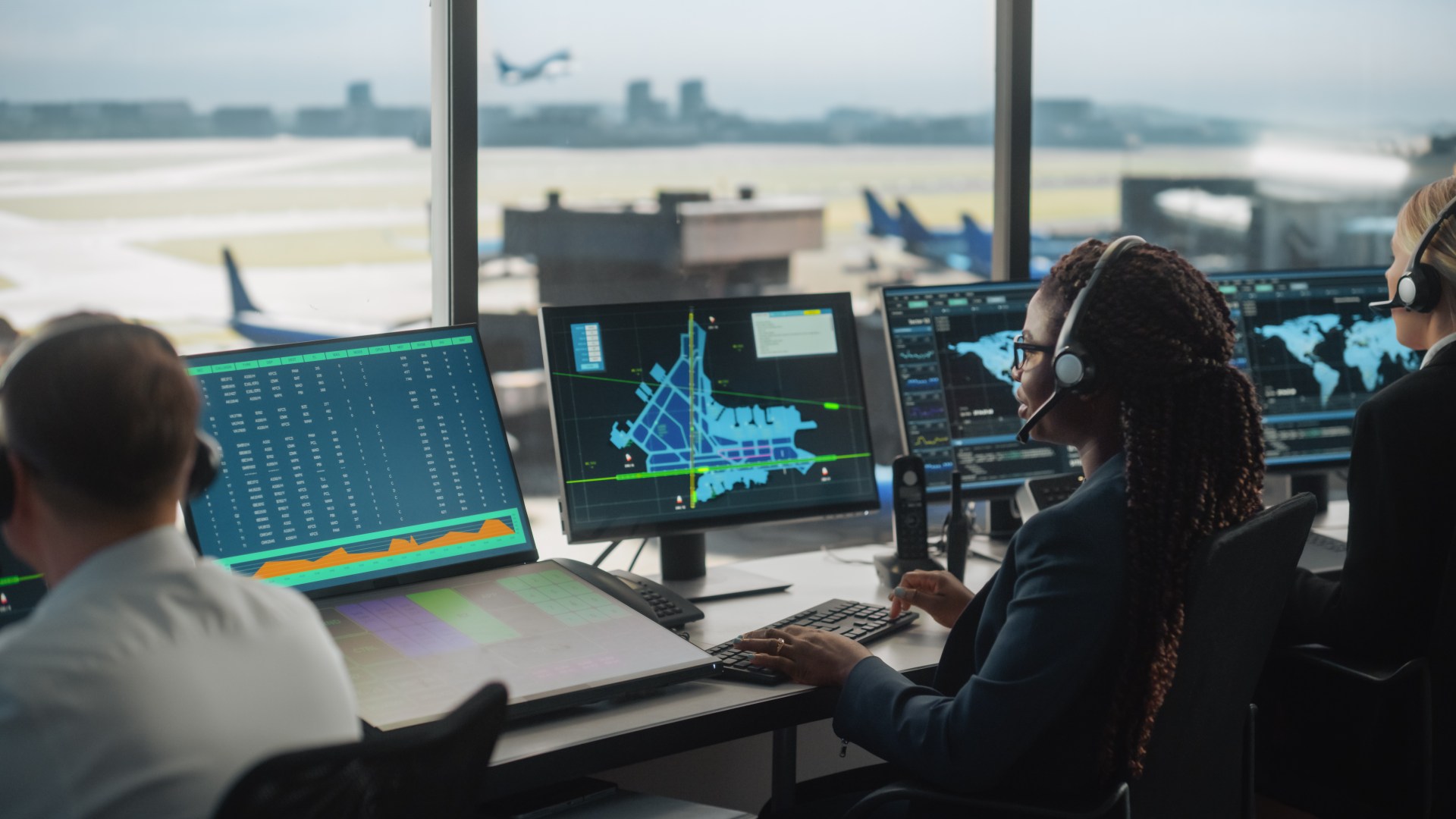
HUNDREDS of thousands of British holidaymakers have faced travel misery this week after a massive air traffic control meltdown left them stranded. A technical glitch on Tuesday (September 8) triggered chaos at major hubs across the country, leading to the cancellation of more than 2,000 flights arriving or departing the UK. A technical glitch on September 8 triggered chaos at major air transport hubs across the country Credit: Getty It lead to the cancellation of more than 2,000 flights arriving or departing the UK Credit: Getty With the weekend fast approaching, families are wondering: “Will my holiday still go ahead, and who is footing the bill?” Here is everything you need to know about the current travel situation, why flights have still been grounded, and what aviation bosses are saying. Sign up for the Travel newsletter Thank you! Will flights be back to normal by the weekend? The good news for weekend travellers is that the disruption has significantly eased. Aviation analytics company Cirium confirmed that cancellations are slowing down, with schedules expected to return to normal later today (September 10). While 399 flights were cancelled or did not fly on Wednesday, only a “handful” of flights have faced the axe today. Provided there are no further technical hiccups, weekend flight schedules should run as planned. Why are airports still cancelling trips? Even when an air traffic control system is fixed, the aviation network takes time to recover. Tuesday’s four-hour outage meant that by Wednesday, planes and flight crews were stuck in the wrong locations across the globe. Most read in Travel This creates a “knock-on” effect that airlines have to untangle before schedules can get back on track. London Heathrow was the worst affected airport on Wednesday, with 79 out of 666 departure flights disrupted. British Airways (BA) took the biggest hit among airlines, seeing 88 of its 507 scheduled departures affected. What are airlines and airports saying? Airlines are furious about the disruption. BA said it was “sorry” to its customers, but stressed the meltdown was “out of our control”. Taking a swipe at air traffic bosses, a BA spokesperson said: “Our customers and colleagues are tired of dealing with these issues, time after time. This needs to be addressed as a matter of urgency.” Meanwhile, Heathrow has assured passengers that it is working with airlines to ensure the majority of flights operate normally. But the west London hub advised all passengers to double-check with their airline for the latest information before travelling to the airport. Will I get compensation? If your flight was cancelled or delayed due to the outage, you’re unlikely to see a payout. The Civil Aviation Authority (CAA) has said that the National Air Traffic Services (NATS) meltdown is considered an “extraordinary circumstance”. Under passenger rights rules, this means airlines do not legally have to pay out compensation for delays or cancellations caused by the incident. But airlines are still legally required to “look after” passengers, meaning they must provide food, drink, and overnight accommodation if you’re severely delayed or rebooked onto a flight the next day. Who is to blame? NATS chief executive Martin Rolfe is facing mounting pressure to resign over the fiasco, with Ryanair boss Michael O’Leary branding Rolfe’s position as “untenable”. Despite the backlash, Downing Street has said it still has confidence in Rolfe, who stated he takes “full responsibility” for the outage. Transport Secretary Heidi Alexander confirmed the outage was due to a technical issue at NATS’ Swanwick site, ruling out a cyberattack. She told MPs she did not believe the issue was “unavoidable” and ordered the CAA to conduct an independent, six-month review into what went wrong. Comment now
Will flights be back to normal by the weekend? Why UK airports are still cancelling trips and what they have said
Full Article
Original Source
Read the full article at Thesun →KhanList aggregates and links to publicly available news content. We do not host full articles from third-party sources. Always verify important information with original sources.