
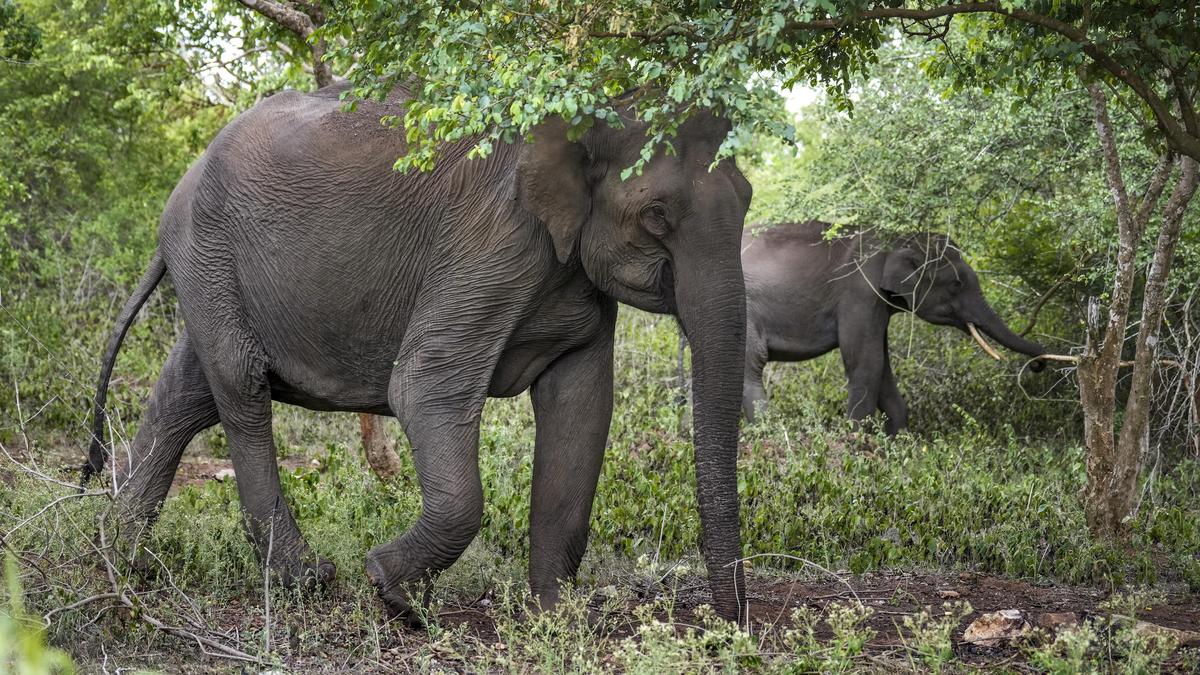
Image for representation. | Photo Credit: PTI Villages of Keralam, namely Kanan Devan Hills, Kuttampuzha, Chittar, Mankulam, Padavayal, and Peechi, have been identified as persistent hotspots for both elephant mortality and human casualties.As many as 21 villages have also been classified as areas of high incidence of human-elephant conflicts (HEC), where 20 or more human casualties were reported.The villages that are prone to HEC were listed in a recent report, ‘HEC in the State of Keralam 2008-2025, trends challenges and insights,’ released by the Wildlife Institute of India.Of the 214 villages from where human mortality and injury incidents occurred during the study period, 175 were classified as low incidence (0-10 incidents), 18 as medium incidence (10-20 incidents), and 21 villages as high incidence (more than 20 incidents).Most impacted divisionRanni was identified as the most impacted forest division with records of 169 HEC cases. Munnar division followed with 144 cases, while Munnar Wildlife and Nilambur North divisions each reported 138 and 108 cases respectively.Although HEC affected many villages, the majority experienced relatively few incidents with only a small proportion of villages being identified as high-conflict hotspots, it noted.Nilambur, Palakkad-Mannarkkad, Munnar-Mankulam, and Kothamangalam-Periyar landscapes have been identified as major hotspots of HEC, with a high concentration of incidents occurring in and around these forest divisions.The highest number of human deaths was recorded in Nilambur South (78), followed by Palakkad (57), Mankulam (57), Munnar (50), Periyar East (42), Nilambur North division (27 cases). Kothamangalam accounted for the highest number of human injuries (164), followed by Marayoor (102), Nilambur North (63), Periyar East (64), and Thiruvananthapuram (58). The period also saw 1,781 incidents of HEC leading to 581 human deaths and 1,200 injuries in the State.Elephant deathsElectrocution was found to be the major anthropogenic factor contributing to elephant deaths as 154 elephants died after coming into contact with live wires. While explosive baits killed 12 elephants, retaliatory killing took the lives of 11 elephants. Poisoning (5), poaching (7) and snare/trap incidents (4) accounted for 16 deaths, according to researchers.Solitary adult males were found responsible for the highest proportion of HEC incidents, especially raiding crop lands and causing damage to properties. Translocation of conflict elephants rarely provided a long-term solution, as many of them attempted to return to their original home ranges or continued to cause conflict in new areas after release, quoting a study from Sri Lanka, the report concluded.A similar pattern was observed in Keralam during the translocation of the elephant Arikomban from Chinnakkanal in 2023, where it moved into human-dominated areas after release, requiring further management interventions. Repeated translocation of conflict elephants often provided only temporary relief, it was reported. Published - August 31, 2026 07:08 am IST
Wildlife Institute of India report lists persistent hotspots for elephant mortality and human casualties in Keralam
Full Article
Original Source
Read the full article at Thehindu →KhanList aggregates and links to publicly available news content. We do not host full articles from third-party sources. Always verify important information with original sources.