The research doesn’t look at how much time the mother was spending outside, if she wore an N95 mask or if she had an air-filtration system in her home, which Boudreaux acknowledges as a limitation of the study. But data sources like Purple Air that track wildfire smoke are detecting a large amount of pollution in the form of a PM2.5 inside people’s homes, he said. The new study highlighted regions and populations that were disproportionately affected by wildfire smoke. In the West and Northwest, wildfires’ contributions to air pollution more than doubled over the study period. And the communities where wildfires are responsible for the largest reversals in air quality—low-income, rural and American Indian and Alaska Native populations—often have the least access to neonatal care. Since exposure to wildfire smoke early in life can cause life-long health problems, reducing exposure in the prenatal period will yield long-term benefits, Boudreaux said. The last six years have seen several catastrophic fires in the West and Canada, Boudreaux said. If the team were to extend the study through 2026, he said, they’d likely see wildfires make an even higher contribution to unhealthy prenatal exposures. But that’s just speculation, he cautioned. What is clear, he said, is that wildfire smoke now accounts for an increasing share of “acute, massive air pollution days” that endanger babies’ health. “What that tells me is that the next frontier is how do we help people manage exposure to wildfire smoke, which is a different kind of exposure than ambient pollution from other sources.” That means providing communities with resources like clean-air shelters, air filters and better access to healthcare when they are exposed, he said. Ultimately, he said, “we should be asking, are there things we can do to reduce the risk of climate change in general?” This article originally appeared on Inside Climate News, a nonprofit, non-partisan news organization that covers climate, energy and the environment. Sign up for their newsletter here.
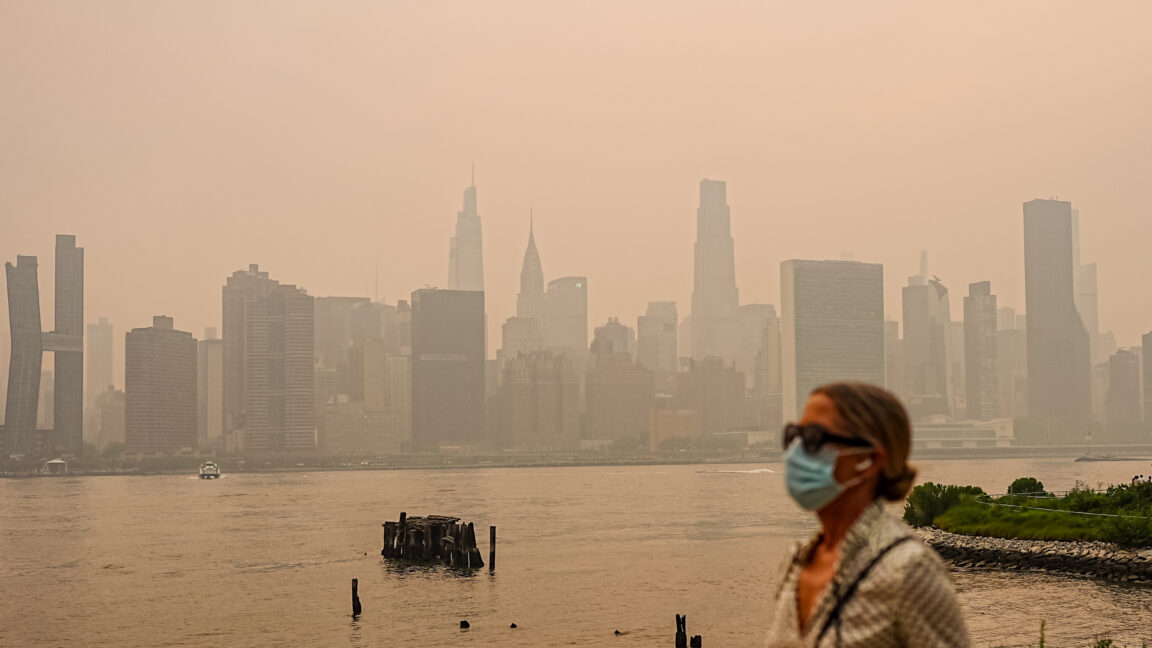
Wildfire smoke now bigger prenatal threat than human sources of air pollution
Full Article
Original Source
Read the full article at Arstechnica →KhanList aggregates and links to publicly available news content. We do not host full articles from third-party sources. Always verify important information with original sources.