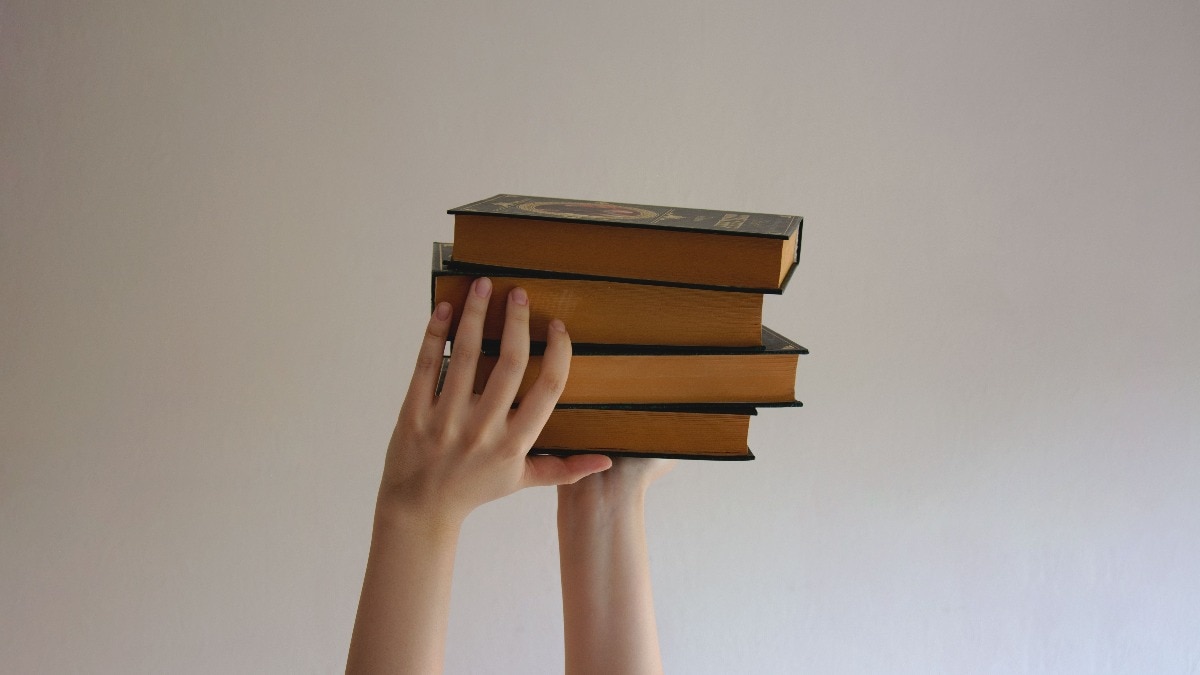
Psychologists say printed books can support stronger focus, memory, patience, empathy and calm. The claim highlights how distraction-free reading may shape both cognition and emotional awareness.Prefer physical books over e-books? Psychology says you may have these 5 hidden strengths.In today's digital-first world, where everything from novels to textbooks is just a tap away, many readers still prefer the timeless charm of physical books. The feel of turning crisp pages, the scent of fresh paper, and the simple act of holding a book create an experience that screens often can't replicate.While e-books offer convenience and portability, psychologists suggest that reading from printed books may provide unique cognitive and emotional benefits. From improving focus and memory to encouraging mindfulness, physical books engage the brain in ways that go beyond the words on the page.Here are five hidden strengths often associated with people who choose printed books over digital ones. Prefer physical books over e-books? Psychology says you may have these 5 hidden strengths. BETTER FOCUS AND DEEPER CONCENTRATIONOne of the greatest benefits of reading a physical book is the ability to focus without constant interruptions. Unlike smartphones, tablets, or internet-enabled devices, printed books don't buzz with notifications, emails, or social media updates that can break your concentration. According to psychologists, uninterrupted reading allows the brain to maintain sustained attention, making it easier to process and retain complex information. Over time, this habit can improve concentration, reduce the tendency to multitask, and train the mind to stay engaged with a single activity for longer.In an age of endless digital distractions, the ability to remain deeply immersed in a book is more than just a reading habit; it is a valuable cognitive strength.STRONGER MEMORY AND INFORMATION RETENTION Studies suggest that people often retain information more effectively when reading from a printed book than from a digital screen. While both formats can support learning, the physical experience of reading on paper appears to give the brain additional memory cues.Psychologists say printed books provide spatial landmarks that help readers recall information more easily. For instance, you may remember seeing a key idea on the top corner of a page or towards the end of a chapter. These physical references make it easier for the brain to organise and retrieve what it has learnt. Prefer physical books over e-books? Psychology says you may have these 5 hidden strengths. Simple actions such as underlining important passages, writing notes in the margins or flipping through pages also reinforce memory by engaging multiple senses, making the reading experience more interactive and memorable.GREATER PATIENCE AND DELAYED GRATIFICATIONReading a physical book encourages patience in a way that digital reading often doesn't. Without instant search results, clickable links, or constant online distractions, readers are more likely to stay engaged with the material from beginning to end.Psychologists associate this slower, more deliberate reading experience with delayed gratification: the ability to resist immediate rewards in favour of long-term goals. This trait has been linked to stronger self-discipline, greater perseverance and improved decision-making.Whether it's completing a lengthy novel or working through a thought-provoking non-fiction title, sticking with a printed book helps cultivate the habit of persistence, teaching readers to value steady progress over instant results. Prefer physical books over e-books? Psychology says you may have these 5 hidden strengths. HIGHER EMOTIONAL ENGAGEMENT AND EMPATHYStories allow readers to step into someone else's life, and physical books may make that emotional connection even stronger.Because readers tend to engage more deeply with printed texts, psychologists suggest they may become more emotionally invested in characters, relationships, and experiences. This immersive reading can improve empathy: the ability to understand and share another person's feelings.Whether it's a moving memoir or a compelling novel, spending uninterrupted time with characters encourages perspective-taking and emotional awareness.MORE CALMING READING EXPERIENCEMany people see reading a physical book as more than just a pastime; it's a chance to slow down and unwind. The simple rituals of holding a book, turning its pages, and stepping away from glowing screens can create a sense of calm that many readers find therapeutic.Psychologists suggest that such focused, single-task activities promote mindfulness by helping the mind stay present instead of constantly shifting attention. Reading a printed book, especially before bedtime, may also support better sleep by reducing exposure to the blue light emitted by phones, tablets, and other digital devices.For many readers, picking up a physical book becomes a welcome break from the constant notifications and digital overload of everyday life. Prefer physical books over e-books? Psychology says you may have these 5 hidden strengths. THE FINAL PAGEChoosing a printed book over an e-book doesn't automatically make a person smarter or more empathetic. Both formats offer meaningful ways to learn, explore new ideas, and enjoy great stories, and the right choice often comes down to personal preference.That said, psychology suggests that the immersive, distraction-free nature of physical books may help cultivate habits linked to better focus, stronger memory, greater patience, deeper emotional understanding and increased mindfulness.In a world dominated by screens, spending time with a printed book can be a simple yet effective way to reconnect with both the story and your own thoughts.- EndsPublished By: Karan YadavPublished On: Aug 3, 2026 07:00 IST
Why your love for physical books could reveal 5 hidden psychological strengths
Full Article
Original Source
Read the full article at Indiatoday →KhanList aggregates and links to publicly available news content. We do not host full articles from third-party sources. Always verify important information with original sources.