
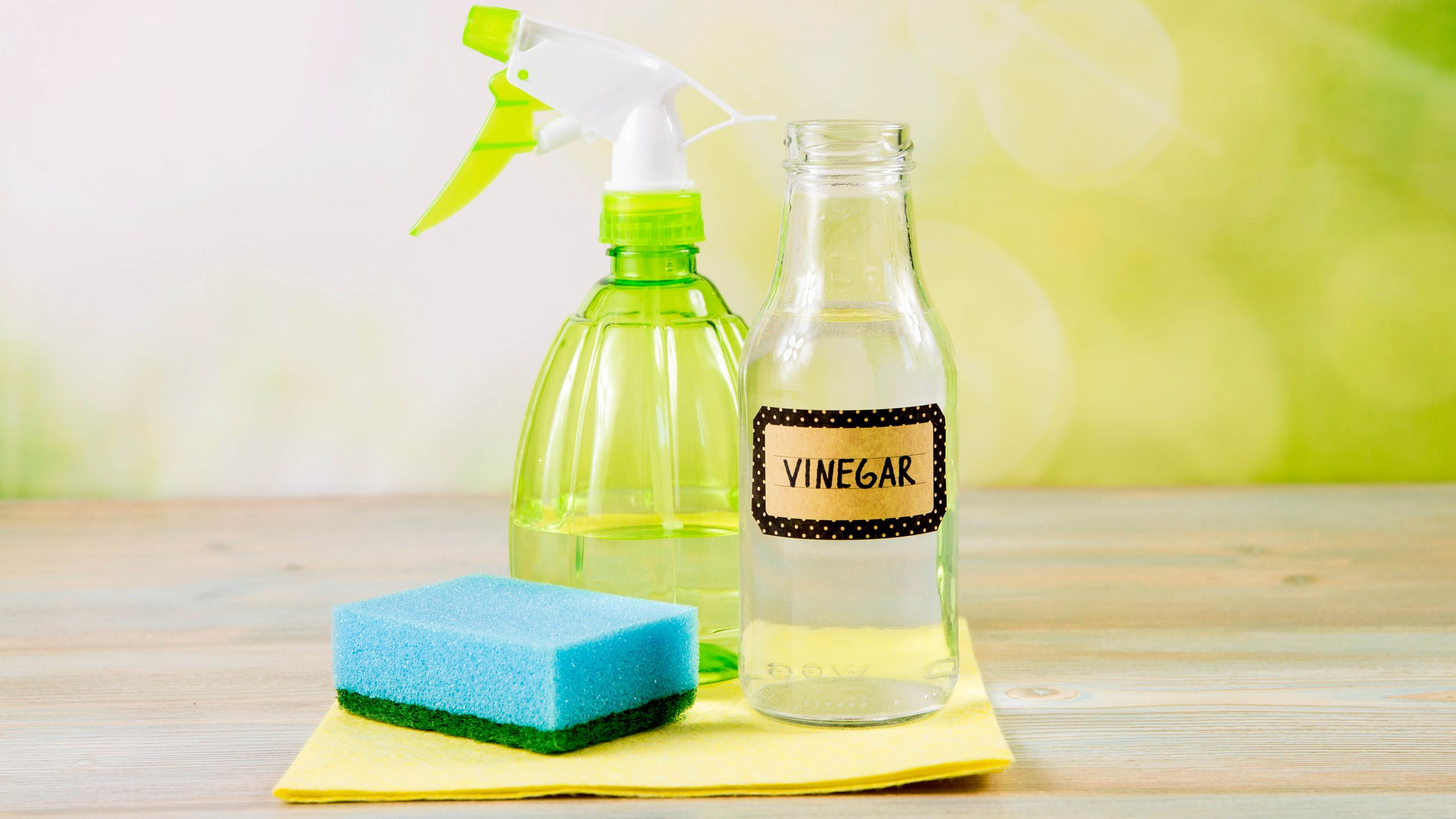
(Image credit: Shutterstock) When it comes to day-to-day household chores, I usually rely on natural, non-toxic cleaning products to do the job.Whether it’s my trusty white vinegar and baking soda to tackle everyday grime or hydrogen peroxide to lift tough marks and mold, these eco-friendly alternatives are extremely popular.However, it's important to know that not all natural ingredients work well together. Although white vinegar and hydrogen peroxide are household favorites, combining the two can be a lethal combo.So before you get out your cleaning caddy, here’s why you should never mix vinegar and hydrogen peroxide.What happens if you mix vinegar and hydrogen peroxide A blue bottle of 3% hydrogen peroxide, green box of baking soda, a yellow microfibre cloth (Image credit: Future)While vinegar vs. hydrogen peroxide offer distinct advantages when used separately, combining acetic acid (vinegar) and hydrogen peroxide in a spray bottle creates peracetic acid (peroxyacetic acid).Essentially, this is a corrosive and toxic chemical that can irritate the skin, cause watery eyes, and affect your respiratory system (especially with long-term use).If you do experience any of these symptoms, however, be sure to seek medical attention immediately. Another top tip is to open windows or doors to quickly let in adequate airflow and ventilation in the area.Get instant access to breaking news, the hottest reviews, great deals and helpful tips.In addition, when used on delicate worktops, such as marble or natural stone countertops, the corrosive mixture can cause damage to the surface.So, to avoid potential health risks (or expensive repairs), it's advised to use these natural products separately to clean your home.How to use vinegar and hydrogen peroxide safely Cleaning a countertop (Image credit: Getty Images)However, if you still want to clean with both products, there is a safe way to use vinegar and hydrogen peroxide — just not diluted.If you want to lift light surface grime or stubborn marks, white vinegar works wonders. Just spray the area gently using one cleaner at a time — starting with the white vinegar — and let it sit for about 15 minutes before wiping the surface clear with a clean microfiber cloth.Since white vinegar alone can’t effectively kill bacteria or germs, hydrogen peroxide saves the day — and good bleach substitute. Similarly, spray the same spot with hydrogen peroxide, letting it rest for a couple of minutes, before wiping it thoroughly clean.Not only will your household surfaces remain both spotless and fully sanitized, but you’ll eliminate any harmful toxins.For more top tips on natural products, check out cleaning vinegar vs white vinegar: Why you need to know the difference (and what to avoid). Follow Tom's Guide on Google News and add us as a preferred source to get our up-to-date news, analysis, and reviews in your feeds. More from Tom's Guide7 natural hacks to make your home smell good without chemicalsHow to unclog a blocked toiletHow to clean with vinegar without the smell As the Homes Content Editor, Cynthia Lawrence covers all things homes, interior decorating, and garden-related. She has a wealth of editorial experience testing the latest, ‘must-have’ home appliances, writing buying guides and the handy ‘how to’ features. Her work has been published in various titles including, T3, Top Ten Reviews, Ideal Home, Real Homes, Livingetc. and House Beautiful, amongst many.With a rather unhealthy obsession for all things homes and interiors, she also has an interior design blog for style inspiration and savvy storage solutions (get rid of that clutter!). When she’s not testing cool products, she’ll be searching online for more decor ideas to spruce up her family home or looking for a great bargain!
Why you should never mix vinegar and hydrogen peroxide — and how to use it safely
Full Article
Original Source
Read the full article at Tomsguide →KhanList aggregates and links to publicly available news content. We do not host full articles from third-party sources. Always verify important information with original sources.