
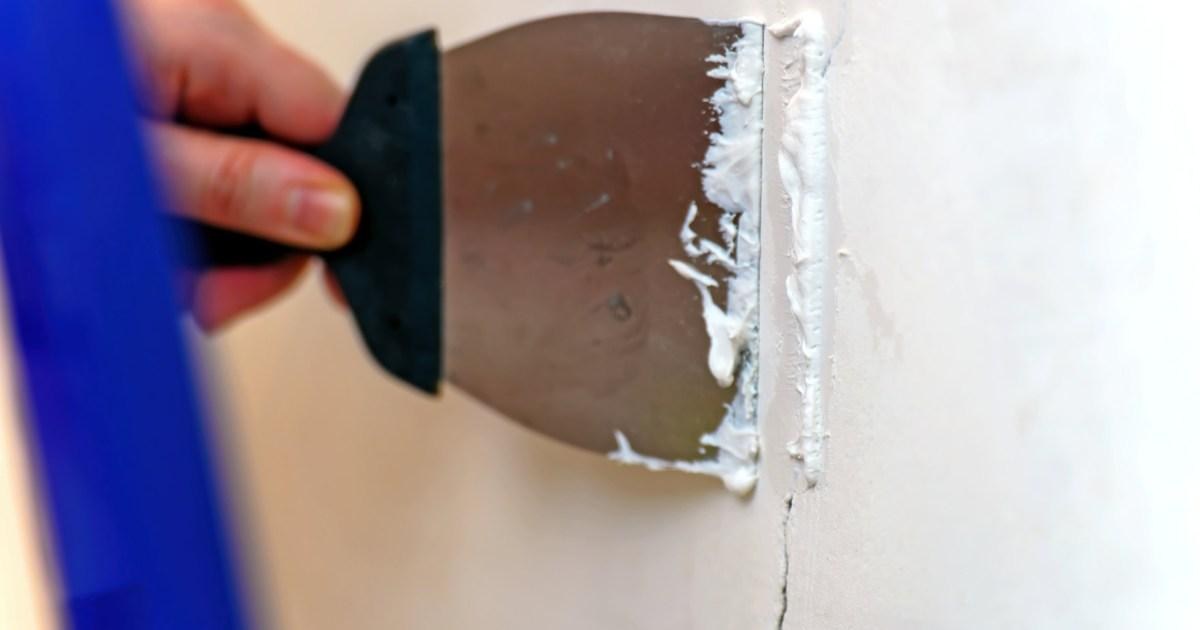
Have you noticed cracks appearing in your home? (Picture: Getty Images) Over the last few months, the UK has experienced record-breaking temperatures and more heatwaves than any of us thought possible. And while we’re finally through the worst of it and have had some much-needed rain, the warm weather is expected to make a bit of a comeback in September, with some ‘above average’ spells predicted by the Met Office. The hot weather has impacted our daily lives in various ways, from hosepipe bans and issues with medications to negative mental health ramifications. And it’s also wreaked havoc on many people’s homes, it seems. Some cracks will be superficial, others will be a sign of something more serious (Picture: Getty Images/iStockphoto) If you’ve started noticing cracks appearing all over your home, you’re not alone. Numerous Brits have taken to Reddit to share snaps of cracks in varying lengths and sizes appearing along the tops of walls, ceilings, floors and around windows, with some also spotting exterior cracks in brickwork. Ready to start your homebuying journey? You can access completely fee-free mortgage advice with London & Country (L&C) Mortgages, a partner of Metro. Customers benefit from: – Award winning service from the UK’s leading mortgage broker – Expert advisors on hand 7 days a week – Access to 1000s of mortgage deals from across the market Unlike many mortgage brokers, L&C won’t charge you a fee for their advice. Find out how much you could borrow online Mortgage service provided by London & Country Mortgages (L&C), which is authorised and regulated by the Financial Conduct Authority (registered number: 143002). The FCA does not regulate most Buy to Let mortgages. Your home or property may be repossessed if you do not keep up repayments on your mortgage. The issue has been especially prevalent amongst Londoners and those living in older houses, such as Victorian and Edwardian properties. Some seem unconcerned by the changes to their house, while others have been left ‘panicking’ and feeling ‘scared’ and ‘unsafe’, unsure if the cracks signal a more serious problem, such as subsidence. What is subsidence? Period properties are most at risk of subsidence (Photo by Xavier de Canto/Construction Photography/Avalon/Getty Images) The Royal Institution of Chartered Surveyors (RICS) defines subsidence as the ‘downward movement of the foundations of a building due to changes in the supporting strata’. Ask Metro Use AI to go deeper into the stories you care about – powered by Metro and trusted publications. There are several situations which cause it to happen, including heatwaves. This is because some houses are built on ‘shrinkable soil’ such as clay, and during periods of high heat, all the moisture is lost from the soil, and the clay shrinks, causing the foundations to drop. This in turn can cause structural damage to buildings. ‘Different types of clay shrink and swell at different rates,’ RICS adds. Subsidence can also be caused by trees near homes, as the roots can absorb all the moisture from the soil and cause it to shrink. As well as causing structural damage to a home, subsidence can also devalue a property by as much as 20 to 25 per cent. Monitor and measure any cracks that appear, and seek professional advice if they are more than 3mm wide (Picture: Getty Images/iStockphoto) How do you know if it’s subsidence or just cosmetic? In most subsidence cases, the first signs of subsidence are visible cracks in one area of the house. But just because you see a crack in a wall doesn’t mean you need to panic, though, as these can just be cosmetic flaws. Buildings do naturally move over time, and materials respond to changes in temperature and moisture. The experts at RICS claim there’s ‘rarely any cause for real concern’ unless cracks appear suddenly and are more than 3mm wide (thicker than a 10p coin). Working out if a crack is a problem can take time, and you should keep an eye on any that do appear in the plasterwork or brickwork and monitor and measure them for at least 12 months, to see if they are expanding. Other potential signs of subsidence to look out for include new or expanding cracks in outside brickwork, doors and windows sticking for no apparent reason, ripping wallpaper, and new sloping or dipping of solid ground floors. If you have any of these issues but can’t find the cause, you should seek specialist help as soon as possible, as the process of fixing subsidence can take years; so the sooner it is diagnosed, the better. What’s happening to homes in London? Those in the Southeast of England have reportedly been facing historic levels of subsidence after five heatwaves throughout the summer. London is particularly impacted given that about 80 per cent of the city sits on clay, and those most at risk are Victorian and Edwardian homes, built directly onto the upper layers of clay. Insurance claims linked to subsidence hit a record number last quarter, according to data from the Association of British Insurers (ABI), with households claiming, on average, £20,000 for the risk. And experts have warned that this is likely to become the ‘new norm’ thanks to climate change. Laura Hughes, the head of general insurance at the ABI, told The Telegraph: ‘We expect to see more subsidence cases because of the hot weather.’ Similarly, Otso Lahtinen, chief executive of Geobear, a ground engineering specialist company, told Bloomberg: ‘It’s crazy, what’s happening now. It’s the new norm, and it seems it will happen more often in the next 20-30 years.’ Have you noticed cracks appearing in your home since the heatwaves? Sign up to Metro’s The Key newsletter for must-read property stories, DIY hacks and tips for buying a home. What to do if you think you have signs of subsidence If you are concerned about your property, you’ll want to start taking certain steps. As previously mentioned, keeping an eye on cracks, measuring them and taking photos is useful. You should also contact your home insurer as soon as possible, and they’ll help arrange for a structural surveyor to assess the property. Do not fill in any cracks or redecorate before the property has been looked at by a professional. Deals of the Day The viral LED face mask with over 350 lights that's currently discounted by £100 A friend said I looked 'snatched' – I credit this new Charlotte Tilbury powder Shop MySweetSmile's biggest Bank Holiday offers before they end Back-to-school shopping just got a lot cheaper thanks to Primark The back-to-school essential parents forget every year – and it could cost them If you do have subsidence, it can often be rectified, but this can take up to two years. Experts will help to stop the movement and stabilise the foundations of the property. Depending on the severity of the structural damage, the methods of stabilising can vary, and the cost will also vary greatly. Do you have a story you’d like to share? Get in touch by emailing MetroLifestyleTeam@metro.co.uk Arrow MORE: Hundreds of thousands line the streets in west London for Notting Hill Carnival’s second day Arrow MORE: Mum found dead in hot tub by her teenage children pictured for first time Arrow MORE: Mysterious graffiti legend Helch who ‘upset’ Queen Elizabeth dies The Key Sign up for must-read property stories, DIY hacks and tips for buying a home.
Why you might notice cracks appearing in your home — especially in London
Full Article
Original Source
Read the full article at Metro →KhanList aggregates and links to publicly available news content. We do not host full articles from third-party sources. Always verify important information with original sources.