
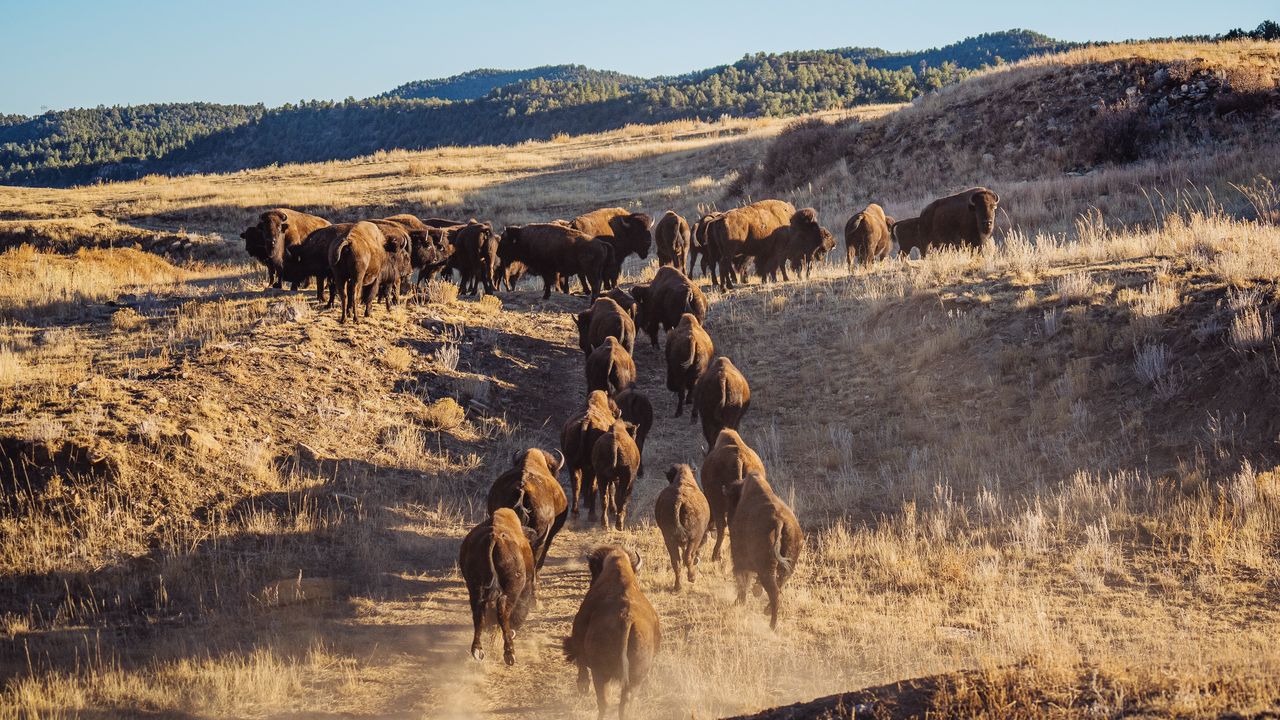
There are two types of luxury hotels these days: Those where you don’t have to lift a finger. And those where you might find yourself elbow-deep in the cavity of an elk that you, of all people, just harvested. As in: stalked, shot, and gutted, and butchered.Camouflage not your style? Maybe you’re digging chanterelles in windswept western Scotland. Or prying mussels off rocks along South Africa’s Cape Peninsula. Or: totani-fishing off the Amalfi Coast in a wooden boat built by a local fisherman whose family has been squid fishing in the Tyrrhennian Sea for generations. (And then, yes, cleaning it, cooking it, and eating the totani e patate of your dreams.)Whatever you’re doing, if you’re a food-obsessed traveler in 2027, you may find yourself foraging, fishing, or even hunting on your next trip. Call it the next iteration of farm-to-table—but one thing is clear: The hospitality industry has officially gone wild.At some of the world’s most exclusive hotels, old-world service is giving way to old-world skills. The kind most urban-dwelling, laptop-pecking, Door Dash-ordering professionals have lost. And are looking to gain... on vacation.Guests at Casa Angelina go totani (squid) fishing off the Amalfi Coast Courtesy Casa AngelinaTravelers learn to clean their catch before making it into an ultra-fresh totani e patate Courtesy Casa Angelina“Travelers are increasingly curious about the culture behind what they eat,” says Leopoldo Elefante, executive chef at Casa Angelina, on the cliffs of Praiaono, Italy, which launched its “totani ritual” last year, and other local culinary experiences like it. (Nighttime ancient lantern fishing or Pomodoro picking, anyone?) Whether it's couples, kids, or grandparents, it appears that everyone wants to get their hands dirty. “They don’t simply want to taste a local dish, they want to understand where the ingredients come from.”In other words: people don’t just want to enjoy an exceptional supper anymore, they want to help source it.It begs the question (and a butchered metaphor): Why are people paying to milk a cow when they can get, say, a bowl of fresh yogurt with housemade granola, local berries, and drizzled with maple syrup for $26?For Clare Sammells, an associate professor of anthropology who focuses on food and tourism at Bucknell University, the answer lies in the liberating nature of travel. “Travel allows you to try things you’d never do in your daily life,” she explains. “You’re in a new, sacred space. You don’t have to set an alarm and put on a suit and go to an office. You can eat and drink whatever you like! Suddenly doing something outside your normal life starts to seem more possible. Maybe you can envision yourself as someone who does butcher a hog.”It’s not that big of a leap from the farmers’ market, really. Sampling persimmons from a guy growing six varieties in California’s Central Valley. Picking huckleberries around Montana. Diving for sea snails in South Africa. It all stems from the same, ever-deepening desire: to know where our food comes from.This is not a new craving, of course. We lazy food-lovers have been trying to find our way back-to-the-land ever since factory farming and the industrial meat complex destroyed it. And, we keep getting closer! We’ve strolled all the local organic markets, and thanked the farmers on all the menus. We’ve attended all the fancy dinners in all the fields and toured all the chef’s gardens.In Asheville, North Carolina, travelers can sign up for foraging hikes through the Blue Ridge Mountains to learn how to safely harvest wild edibles like porcini mushrooms. GettyUni foraging has become a popular activity for visitors to California, with Sea Ranch Lodge offering a “Uni Two Ways” workshop, including a natural dye making class and tasting menu. GettyNow we want to don gumboots and tromp through the woods and pull up our own porcinis! Wrangle into wetsuits and snorkel off the craggy coast of Sonoma and collect a dozen different seaweeds! Trod gently over tide pools and pluck purple sea urchin and slurp super fresh uni!We want to get … closer. Personal. Not just to our food but, well, to the earth itself. We want to, you know, touch grass. And then eat it. (Wheat, bristle, bent, all fair game.) And inns, influencers, outfitters, and chefs from Santa Barbara to Sussex are making it possible, perfecting the art of what could be called five-star self-sufficiency.Take Vermejo, Ted Turner Reserve’s 558,000-acre wildlife reserve in New Mexico, once a traditional hardcore hunting lodge. Today, it offers bison safaris, snowtubing, and spa treatments– as well as hunting and fishing trips catering to those who want a cushy bed with their cow elk or cutthroat trout—and a talented chef to either teach them how to filet it, prepare it, and pair it. Plus a conservationist who can explain the role hunting plays in biodiversity and conservation.Vermejo, Ted Turner Reserve’s 558,000-acre wildlife reserve in New Mexico, offers hunting and fishing trips with a conservation focus. Courtesy Ted Turner ReservesThis idea may be a novel trend for some travelers, but for Indigenous communities across North America, sustainable hunting, fishing, and foraging has always been a fundamental part of daily life. Today, adventurous travelers can respectfully connect with that ancient knowledge by staying at Indigenous-owned lodges like Wahous Wilderness Lodge, the Ahousaht First Nation’s flagship hospitality venture in British Columbia’s remote Clayoquot Sound (which offers fishing experiences and a “tide-to-table” culinary philosophy), or by dining at Indigenous- focused restaurants helping revitalize Native American foodways from Oaxaca to Minneapolis.Hotels and restaurants aren’t the only ones getting the claytonia perfoliata-curious out there. Independent foraging guides are multiplying like mushrooms after a rain. From niche Instagrammers like @feminist_fisherwoman to YouTube stalwarts like @catchncookcalifornia and Taku Kondo (@outdoorcheflife), they are making the outdoors our oyster—leading such hands-on adventures as crab snaring in Half Moon Bay, spearfishing in Santa Barbara, and quail hunting in Tucson.That’s what happens when people get a taste of eons-old traditions—and berries beyond the grocery store—says Nick Weston, founder of Hunt Gather Cook: They hunger for more. He has been bringing “newbies” from London to Los Angeles to Shepherd’s Barn on his Firle Estate, in Sussex, since 2011. His butchering courses and live-fire feasts sell out. “The only thing I’ve found people are uncomfortable with is cutting off a rabbit’s head with a machete.”Understandable.Not all wild food requires far-flung travel, nor a steel stomach. Alexis Nikole Nelson–aka @blackforager—instructs her almost three million followers on how to eat acorns. Her first cookbook, brilliantly titled “Happy Snacking, Don’t Die!” is already being devoured by the masses, along with her recipes for Pine Shortbread Cookies and Milkweed Buds.Whether you’re going nuts in your own backyard or spearfishing lionfish off the coast of Florida, connecting with your environment in this way “sparks a true sense of place that can develop into a deeper sense of environmental stewardship,” says Sam Shepherd, a biology professor and director of agriculture and catholic environmental stewardship at Ava Maria University in the Scottish Highlands.Today, such slow immersion in a local food system is increasingly accessible to travelers, Shepherd explains, adding that it "contrasts starkly with tourism based on brief curated visits in which the local food and culture can become a side-show.”On the North Fork of Long Island, Lin Beach House takes a more laidback approach. Run by the married duo behind Matchbook Distillery, Brian Kwasnieski, a commercial fisherman, and his wife, Leslie Merinoff Kwasnieski, the contemporary six-room Victorian invites people to, per the website: “Pull the fish. Cut the herbs. Blend the gin. Come back for dinner.” And people do. Pickling, clamming, and preserving, too.“We’ve had a lot of financial analysts lately,” says Leslie with a laugh. “People love scooping the fish!” Brian practices the sustainable method of pound trap fishing, which avoids bycatch, she explains. He usually heads out on his boat at 4 a.m. to bring in pufferfish, porgy, and mackerel.Wait, guests get up at 4.am.?“Oh, no,” Leslie corrects. “We let them sleep in until 10.”It is vacation after all.
Why You Might Find Yourself Fishing, Foraging—Or Even Hunting—On Your Next Vacation
Full Article
Original Source
Read the full article at Cntraveler →KhanList aggregates and links to publicly available news content. We do not host full articles from third-party sources. Always verify important information with original sources.