
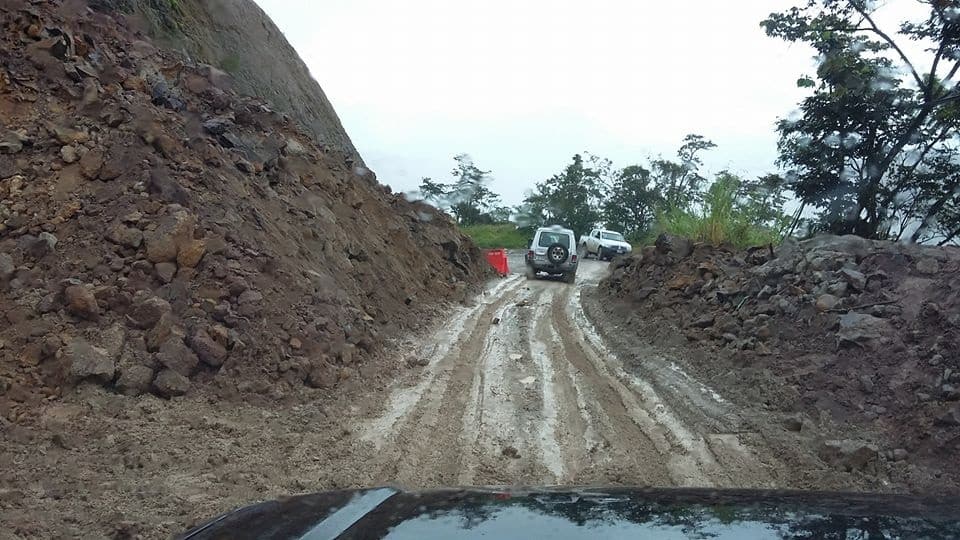
Costa Rica has spent more than ₡86 billion patching and rebuilding roads after floods, slides, and storm damage — and the Comptroller General says too little of that money went into stopping the next washout. The Contraloría General de la República (CGR) used that figure to describe a pattern, not a one-off invoice. After an emergency, crews go back to the same cut in the mountain or the same river crossing, put the asphalt down again, and wait for the next tropical wave. What often never happens, the audit says, is a serious look at risk: Is this slope going to go again? Does this culvert match the water that actually shows up in September? Should this stretch be redesigned instead of resurfaced? A companion CGR review this week made the same point in broader language. Vital public infrastructure — roads, the power grid, reconstruction jobs, even fuel facilities — still runs in react mode when the climate hits. Resilience is talked about. It is not built in as a rule. If you drive around Costa Rica, you already know the plot. Route 32 drops a hillside and Cambronero or a mountain side road closes overnight. A river takes a shoulder on the way to the beach and then the cones come out. The news alert goes to your phone and then a few weeks later the lane reopens, and the next wave is already on the IMN map. The comptroller’s complaint is that this loop is now a budget line. Emergency rebuilds look urgent and visible. Drainage, slope work, and climate-risk studies look slow and boring — until the same kilometer fails again and the bill is larger than the first repair. None of this means every pothole is a scandal. Storms will keep tearing at a steep, wet country. What the CGR is flagging is the missing middle step: measure the risk before the storm, then spend on the fix that lasts. For anyone who lives here visits us, here’s the point. Rainy-season travel plans still need a Plan B on the big corridors — 1, 27, 32, and the South Pacific laterals — because the state is still better at rebuilding after the slide than at preventing it. For taxpayers, ₡86 billion is the price tag on that habit. In the end, Costa Rica is not only fighting the weather but also paying twice when it treats the weather as a surprise.
Why the Same Costa Rica Highways Keep Washing Out
Full Article
Original Source
Read the full article at Ticotimes →KhanList aggregates and links to publicly available news content. We do not host full articles from third-party sources. Always verify important information with original sources.