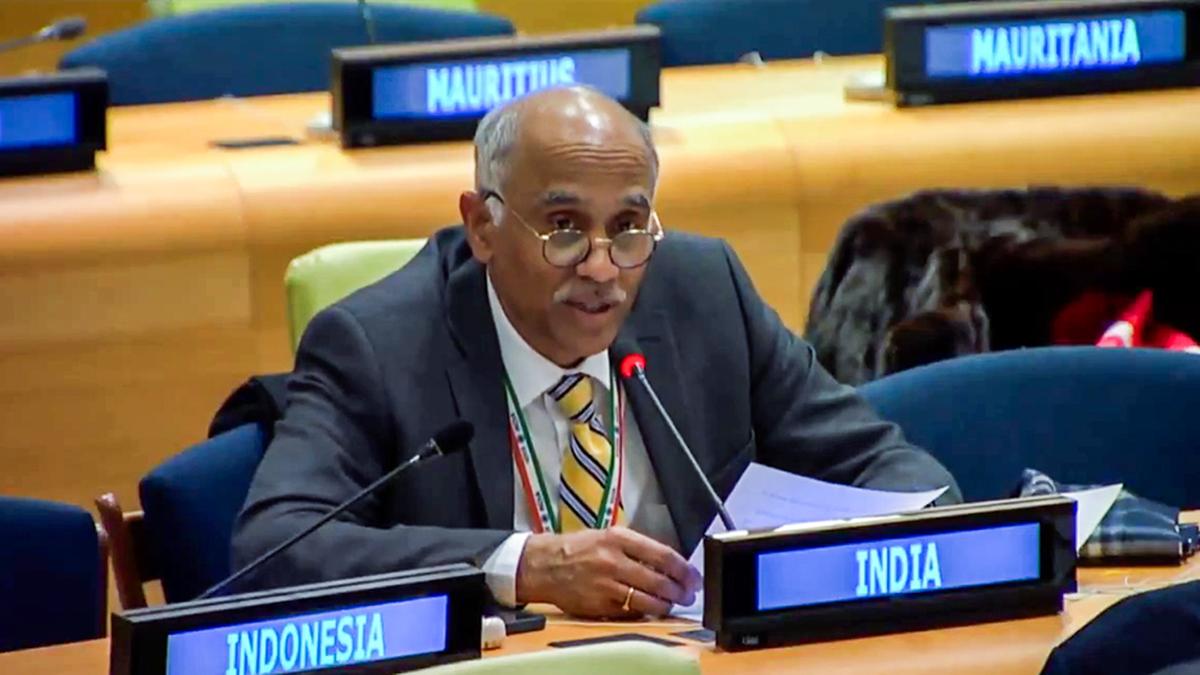
India’s diplomatic efforts to confront terrorism at the U.N. have yielded partial victories but systemic inertia. File picture of Permanent Representative of India to the U.N. Parvathaneni Harish speaking at the United Nations | Photo Credit: ANI “I was told to kill as many Hindus as possible. We were told that Muslims in J&K are not allowed to pray,” confessed lanky Mohammad Abdullah, his jawline shadowed by the sparse, hesitant beard of his teenage years, who was involved in the killing of twenty-eight (28) slum dwellers, including many children, in Qasim Nagar on the evening of 13th July 2002, on the outskirts of Jammu city. In a powerful act of resistance, Kaka, a Gujjar Muslim and resident of the nearby Raikha forests, risked his life to subdue the armed militant on 2nd August with a cot and tied him with a rope when the militant sought shelter in his home, as the police continued to search the nearby forests for the hiding terrorists for days after the attack. Kaka alerted the police and ensured the perpetrator was handed over to the authorities.The words of Mohammad Abdullah were no different from those of Ajmal Kasab, one of the terrorists who was nabbed by a daredevil act of Mumbai police assistant sub-inspector Tukaram Omble. Armed only with a lathi (bamboo stick), Omble charged the vehicle and was shot five times after he opened the passenger door where Kasab was seated. In Mumbai, the dead also included twenty-six (26) foreign nationals from fourteen (14) different countries. Published - May 10, 2025 05:17 pm IST
Why the global counter-terrorism order fails India
Full Article
Original Source
Read the full article at Thehindu →KhanList aggregates and links to publicly available news content. We do not host full articles from third-party sources. Always verify important information with original sources.