
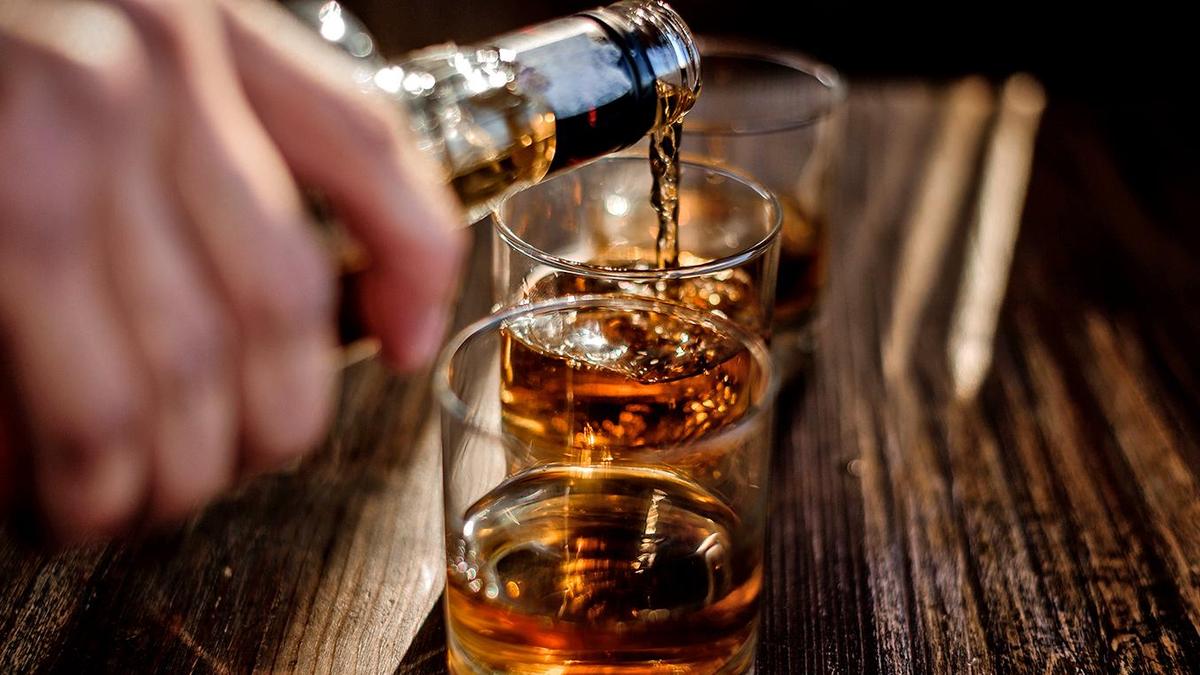
On August 11, 2026, the Southern Regional Office of the Food Safety and Standards Authority of India (FSSAI) inspected a licensed distillery in Tamil Nadu. It directed that 11 liquor products not be sold after nature-identical and artificial flavouring substances were detected. On August 13, the Tamil Nadu State Marketing Corporation (TASMAC) stopped transfers and sales of these products across its network. On August 14, however, FSSAI revoked the prohibition following an appeal and assurance of compliance. The episode raises an unusual question: if intoxicating liquor is constitutionally a State subject, how can a Central food regulator inspect a distillery and determine whether its products may remain on sale?Constitutional puzzleEntry 8 of List II, the State List in the Seventh Schedule of the Constitution, assigns to States ‘intoxicating liquors’, including their production, manufacture, possession, transport, purchase and sale. Yet alcohol is not constitutionally insulated from every Central law. Entry 18 of List III, the Concurrent List, covers the ‘adulteration of foodstuffs and other goods’, allowing both Parliament and State legislatures to legislate food products. Parliament consequently enacted the Food Safety and Standards Act, 2006, which consolidates food safety regulation and, under Section 16, empowers the Food Authority to prescribe standards, limits on additives and contaminants, sampling procedures, and enforcement systems. Thus, State excise law governs liquor as an intoxicating commodity, while the FSS framework can examine it as a product consumed by humans.Alcohol is foodThe connection is explicit in Section 3(1)(j) of the FSS Act. ‘Food’ means any processed, partially processed or unprocessed substance intended for human consumption, and the definition specifically includes an ‘alcoholic drink’. Alcohol, therefore, falls within the FSSAI framework for food composition, additives, contaminants, standards and labelling. Section 26 further places the primary responsibility on the food business operator to ensure compliance with the Act and regulations throughout production, processing, distribution and sale, and prohibits the manufacture or sale of unsafe, misbranded or sub-standard food. The standards themselves are built through a scientific structure established by the Act. Section 13 provides for scientific panels of independent experts, for FSSAI.Inside the bottleA distilled spirit begins with fermentation. Yeast converts sugars derived from molasses, grains, fruits or other agricultural material into ethanol and carbon dioxide. In addition to ethanol, fermentation produces congeners such as higher alcohols, esters, acids, and aldehydes, which contribute to aroma and taste. Distillation separates and concentrates these chemicals, while maturation may introduce further reactions involving wood-derived compounds and oxidation. This explains why the name on a bottle is more than a description of flavour. Regulation 2.8 of the FSS (Alcoholic Beverages) Regulations, 2018 defines whisky as an alcoholic beverage made by distilling fermented extracts of malted cereal grains such as corn, rye or barley, or by using specified grain or agricultural-origin spirits, or mixtures of them. What makes whisky, legally, is therefore not simply its brown colour or recognisable aroma. Its raw materials, composition, and method must meet the standard associated with that name.FSSAI’s objectionThe FSSAI explained that the laboratories found some products at the T.N. distillery that contained externally added artificial or nature-identical flavours that imitate the aroma and taste that the standardised alcoholic beverage was expected to develop from its raw materials, fermentation, distillation, and maturation. FSSAI, therefore, treated the issue not as a blanket prohibition on flavouring, but as one of product identity and possible consumer deception. What FSSAI objected to was, for example, adding ‘rum flavour’ to something sold simply as rum, or ‘whisky flavour’ to whisky, to manufacture the very sensory identity the standard requires the product itself to possess. FSSAI compared this with adding coffee flavour to coffee merely to make it taste like coffee. The legal basis operates using section 16 that empowers FSSAI to prescribe and enforce food standards and additive limits. Section 23 prohibits false or misleading labelling and requires the presentation of food not to mislead consumers.Passing the standardsFSSAI effectively examines seven interconnected areas: product identity, composition, permitted additives, safety parameters, age or maturation claims, labelling and packaging. Compliance is then tested rather than presumed. Under Section 38, a Food Safety Officer can inspect premises, take samples and seize food believed to contravene the Act. Section 47 prescribes the sampling procedure: ordinarily, the sample is divided into four sealed parts, with one sent to the Food Analyst, two retained by the Designated Officer, and another available for accredited laboratory analysis upon request. Under Section 36(3)(b), the Designated Officer is specifically empowered to prohibit the sale of food that contravenes the Act or regulations. This distinction matters because regulatory failure does not necessarily mean poisoning. Section 3(1)(zx) defines ‘sub-standard’ food as food that does not meet specified standards, but not to such an extent as to make it unsafe. Section 3(1)(zz), in contrast, defines ‘unsafe food’ as food whose nature, substance or quality has been affected to make it injurious to health. A liquor can therefore fail a compositional or identity standard without the finding necessarily meaning that consuming it creates an additional toxic hazard.The label’s promiseFood regulation must protect consumers and provide a basis for them to make informed choices. Section 18(2)(f) also requires the prevention of fraudulent, deceptive or unfair practices and of unsafe or sub-standard food. Section 23 converts that principle into a labelling obligation: what the package says and how the product is presented must not mislead the consumer. A liquor label, therefore, guarantees more than an absence of poison. When it uses a legally standardised name, declares an age, describes a composition or identifies ingredients, those claims must correspond to the product inside the bottle and to the standard governing that category. This is what permits consumers to make an informed choice. As flavour chemistry becomes better at reproducing aroma, colour and mouthfeel, the regulatory challenge will become sharper. The question may no longer be whether chemistry can imitate tradition, but whether an imitation can legally be sold as the tradition itself.(Dr. C. Aravinda is an academic and public health physician. aravindaaiimsjr10@hotmail.com; Dr. Pritish Baskaran T. B. is a public health practitioner and an expert in medical law and ethics. prrish.baskar@gmail.com)
Why the FSSAI is also putting liquor under the scanner
Full Article
Original Source
Read the full article at Thehindu →KhanList aggregates and links to publicly available news content. We do not host full articles from third-party sources. Always verify important information with original sources.