
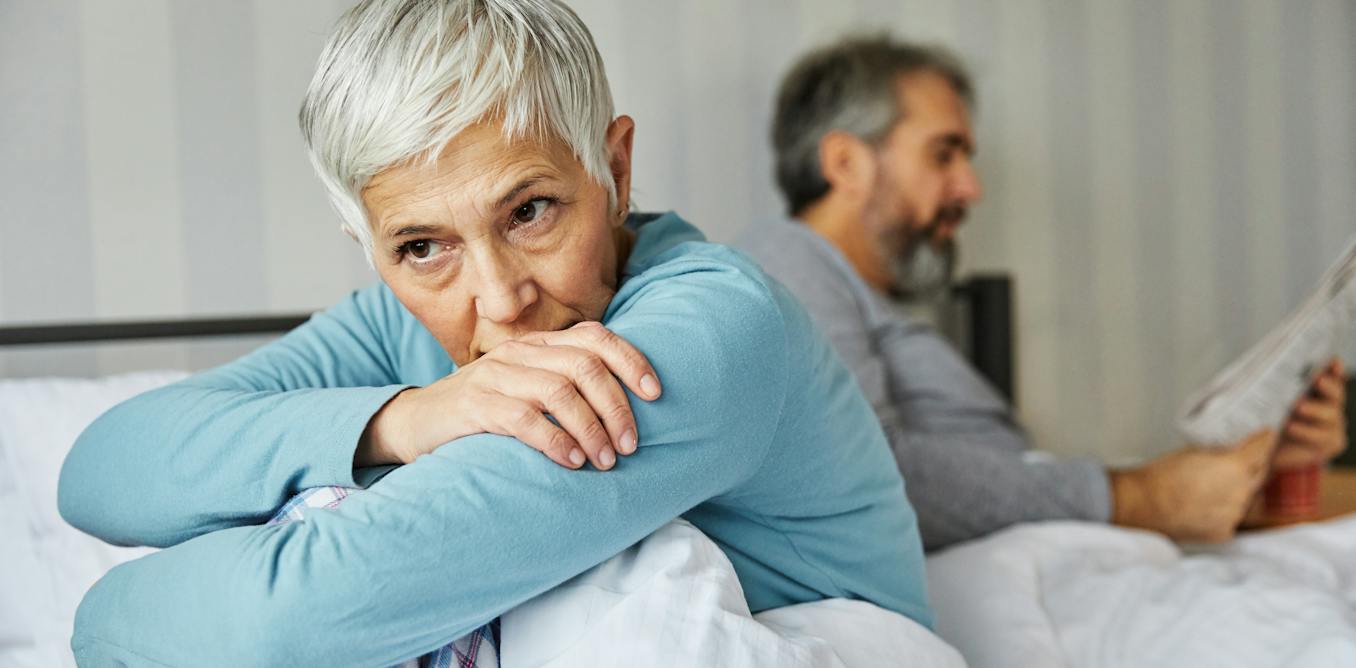
September is traditionally the time of year when many young people go to university or college, often leaving parents and carers facing an “empty nest”. But an empty nest doesn’t just mean a quiet home. Sometimes for the older generation there are also difficult questions about the next phase of their life. The term “empty nest” was popularised by US author and activist Dorothy Canfield Fisher in her 1914 book Mothers and Children. It described the emotional challenges mothers experienced when their children left home. By the 1970s, the concept of “empty nest syndrome”, had developed. This referred to more severe symptoms including depression, loneliness and loss of self-confidence. In recent years, with living costs and house prices increasing relative to wages, this transition in family lives has become extended. Many young people are struggling to establish independent households. This leaves the timeframe of the transition to “empty nester” more uncertain for their parents or carers. Much of the focus is on mothers, but celebrity chef Gordon Ramsay captured the impact on fathers too. Ramsay described becoming so distressed when his son left home that he not only put on his son’s underwear, he then sat alone on his bed. Read more: Digital poverty is holding university students back Yet there appears to be a taboo about this complex experience within the social sciences. It is surprisingly under-researched and little mentioned, despite having broad implications for home, personal life, wellbeing and an ageing society. Recent research by one of us (Denise) is one of the only UK studies ever to examine the empty nest experience. It explored how social factors, including living arrangements, relationship status and previous life events, can intersect with the emotional and social consequences of children leaving home. Using a life-course perspective (which looks at the significant factors that shape an individual’s life from birth to old age), the study considered how the transition can affect wellbeing, particularly among people aged 60 and over. Findings were mixed, with some participants viewing the transition positively. These people saw it as an opportunity for new experiences and personal growth. Others, particularly those who were single, widowed or living alone, experienced significant loneliness, distress and a reduced sense of purpose. For those who struggled, the loss was not simply about having fewer people in the house. Participants described missing the day-to-day rhythm of family life, including the conversations, routines and responsibilities associated with active parenting. This silence and emptiness contributed to a profound sense of loss. Others described a loss of identity following years of defining themselves through their role as an active parent, leading them to seek medical and therapeutic help. One of the clearest findings was the relationship between companionship and wellbeing. Those in the study who had a partner or close companions living nearby were considerably less likely to experience the negative consequences of the empty nest. By contrast, those who were single, widowed or living alone appeared particularly vulnerable to distress and potential empty nest syndrome. The study also highlighted the lack of social recognition around the empty nest transition. Unlike bereavement or retirement, the departure of an adult child doesn’t usually come with any formal public rituals or acknowledgement of the loss. Parents and carers may feel they have lost an important part of their lives. But at the same time, they may believe they don’t have “permission” to mourn that loss, because their child’s departure is considered a normal and a positive milestone. Some participants in the study used the empty nest transition as a springboard to pursue forgotten hobbies, career ambitions, travel or rekindle friendships. However, these positive experiences were more common in heterosexual marriages, suggesting that the ability to turn loss into opportunity is shaped by social and relationship circumstances. Why this matters Recognition of the empty nest is increasingly important as family structures and patterns of later life change. Data from the Office for National Statistics show that divorce among older adults has increased over recent decades. Between 2005 and 2015, the number of men aged 65 and over divorcing increased by 23%. It was even higher for women, with an increase of 38% – contributing to the emergence of terms such as “grey divorce” and “silver splitters”. Single-parent families are becoming more common, while older people who divorce or are widowed may be more likely to live alone once their children leave home. Divorced or single parents can find it harder when their adult child leaves home. pixelheadphoto digitalskillet/Shutterstock At the same time, people are living longer. Someone aged 65 in the UK can now expect to live for around 20 years beyond retirement. This provides a longer period in which they can renegotiate their identity and family roles, providing they can guard against loneliness. The research suggests that we need to pay greater attention to the empty nest as a significant life-course transition, as well as the health and social care implications it brings. For some parents and carers, a child leaving home will be an exciting opportunity for freedom, exploration and personal growth. For others, the research shows it can intensify loneliness and undermine their sense of purpose and identity. As loneliness and social isolation are associated with poorer physical and mental health, our plan is to carry out more research that spans family lives, home and wellbeing in order to develop forms of support for navigating this transition. While the empty nest may be inevitable, feeling empty in its aftermath is not.
Why the consequences of the ‘empty nest’ can be real – and serious
Full Article
Original Source
Read the full article at Theconversation →KhanList aggregates and links to publicly available news content. We do not host full articles from third-party sources. Always verify important information with original sources.